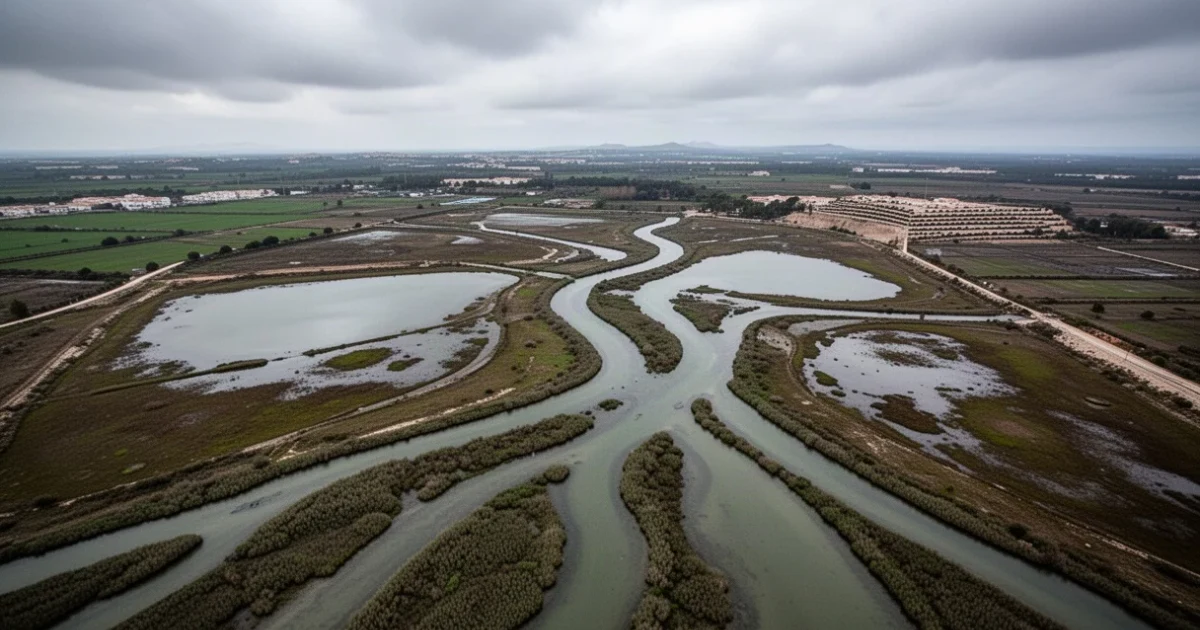

In a significant environmental effort, Catalan fishermen collected nearly 122,000 liters of marine debris last year, marking a 68% increase since the launch of the Pesca Neta initiative in 2021.
Last year, Catalan fishermen made remarkable strides in combating marine pollution by removing 121,841 liters of waste from their fishing grounds. This achievement represents a substantial 68% increase compared to the previous year and highlights the ongoing commitment to environmental stewardship within the fishing community.
Pesca Neta initiative drives change
The surge in waste collection is largely attributed to the Pesca Neta project, which began in 2021. Over its five-year span, this collective action has led to the removal of over 505,494 liters of debris from the sea. Anna Grasa, a senior technician at the Directorate General for Maritime Policy and Sustainable Fishing, emphasized that this initiative is now “fully consolidated.” The project not only aids in cleaning up marine environments but also raises awareness about pollution.
Diverse waste collected during fishing activities
Pescadores and mariners from 165 vessels, who dedicated nearly 2,849 hours to this cause last year, reported finding an array of unusual items alongside typical trash like cans and bottles. Among these were remnants of motors and even personal items such as a denture and an engagement ring still wrapped. Sergi Pou, a fisherman from Arenys de Mar, noted that while they have always picked up trash during their work—“if they returned it to the sea, they would harm themselves”—the Pesca Neta program has amplified their efforts.
A regional breakdown of efforts
The distribution of labor among regions shows varying levels of participation. In Tarragona and Terres de l’Ebre alone, fishermen removed approximately 53,851 liters, dedicating over 1,135 hours. Girona contributed with another 53,843 liters, while Barcelona’s fleet managed to collect around 14,147 liters. Despite a slight decrease in total hours worked compared to previous years—down by about 643 hours, participation increased with more boats joining the initiative.
A million euros allocated annually for sustainability efforts
The Catalan government supports these initiatives financially; each year it allocates around one million euros, distributed among participating federations. This funding is crucial for maintaining organized waste collection systems during fishing operations. With new European Maritime Fund initiatives underway that co-finance up to 70%, there’s hope for even greater impact moving forward.
The persistent issue of marine littering
The challenge posed by marine litter remains significant. Recent studies indicate that plastic constitutes about 5.08 kg/km² , representing roughly 2% of total catches alongside commercial fish and natural remains. Notably disturbing was an incident last year when a large metal container was captured off Blanes’ continental shelf—a rare event that skewed typical waste composition data.
This ongoing battle against pollution underscores not only environmental concerns but also highlights how integral local fishermen are as custodians of marine ecosystems. Their daily routines now include separating refuse from their catches—a task they approach with both diligence and frustration as they witness no reduction in debris despite their efforts.
The dedication shown by these fishermen reflects a growing recognition within communities about their role in preserving ocean health. As they continue this vital work under programs like Pesca Neta, it becomes clear that every bit removed contributes towards cleaner seas for future generations.

Trending on the web

You may also like