
The future of the Tersa incinerator has become a focal point in Sant Adrià de Besòs as the local government demands its dismantling be included in the Metropolitan Urban Development Plan (PDUM). This request is part of a broader push to redefine urban planning for the area until 2050, reflecting significant changes in both environmental and territorial contexts.
Historical context and current demands
As Sant Adrià marks the 50th anniversary of Tersa, Spain’s first waste incineration plant, city officials argue that it is time to reconsider the concentration of infrastructure within their municipality. José Antonio Gras, the city’s fourth deputy mayor and councilor for Sustainable Territory, Environment, and Animal Welfare, stated, “Sant Adrià has historically assumed a disproportionate share of metropolitan infrastructures relative to its demographic and territorial weight.” The municipal government believes that this reality must be acknowledged in future planning.
The recent approval by the Metropolitan Council on February 10 did not address any potential future scenarios for the sites occupied by Tersa and other facilities like Ecoparc. Instead, it reinforced existing urban classifications that could allow these infrastructures to remain for decades. This lack of foresight has prompted Sant Adrià to reiterate its call for change.
“The PDUM should recognize this reality and start planning for the transformation of a strategic space located at the mouth of the Besòs,” Gras added.
The municipality proposes designating Tersa’s site along with Ecoparc and a combined cycle power plant as an Area of Metropolitan Opportunity (AOM-Besòs Sud). This designation would facilitate new uses for these spaces moving forward. Alternatively, they seek urban classifications that ensure when current operations cease or are relocated, these lands can be repurposed for community-friendly developments.
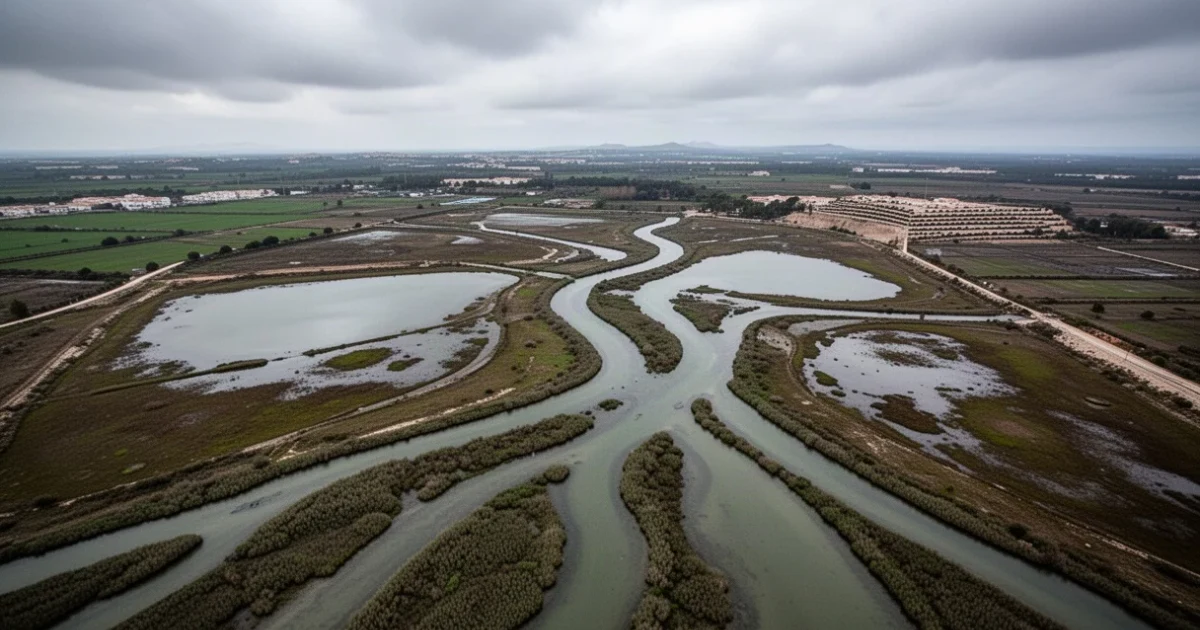
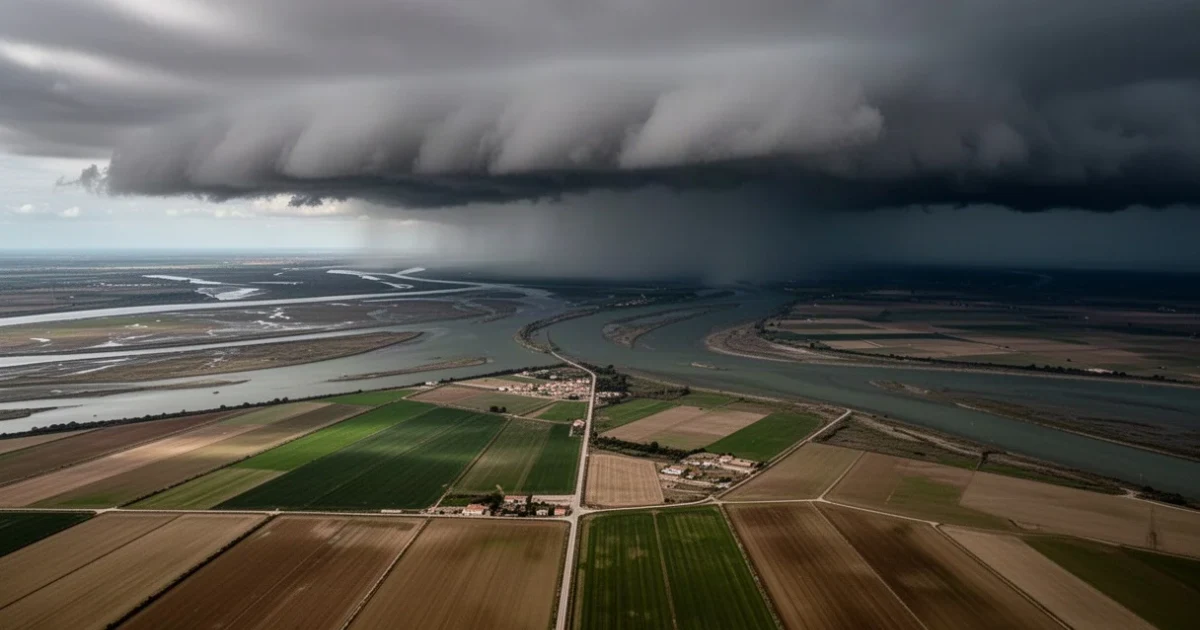
The debate surrounding Tersa is no longer solely about environmental concerns; it also encompasses broader territorial implications. The area around the mouth of the Besòs River has undergone significant transformation recently. Developments such as new housing projects in Catalana and Mina-Fòrum neighborhoods, new hotels, and plans for UPC’s establishment have reshaped local dynamics.
Given this evolving landscape, city officials argue that maintaining outdated infrastructures like Tersa contradicts Sant Adrià’s aspirations for future growth. They emphasize that planning must reflect contemporary realities rather than outdated models.
“The permanence of these infrastructures is incompatible with our future aspirations,” said Gras.
This isn’t Sant Adrià’s first attempt at advocating for change regarding Tersa; similar objections were raised during earlier public consultations on PDUM back in 2023. However, city leaders feel that recent revisions have failed to adequately address their concerns. Consequently, they are doubling down on their position with renewed vigor.
In addition to focusing on Tersa’s dismantling, Sant Adrià has submitted six additional proposals aimed at improving urban coordination along Gran Via-Besòs. These include revising various Areas of Metropolitan Opportunity and enhancing green spaces along the riverbank while also addressing urban regeneration efforts in Mina Vella.
Sant Adrià de Besòs is adamant about preparing a vision for metropolitan planning over the next fifty years without reliance on outdated facilities like Tersa along its southern coastline. For the first time explicitly articulated within an urban development framework set to guide metropolitan growth into mid-century, this stance underscores a pivotal shift towards sustainable urban renewal.

Trending on the web

You may also like