
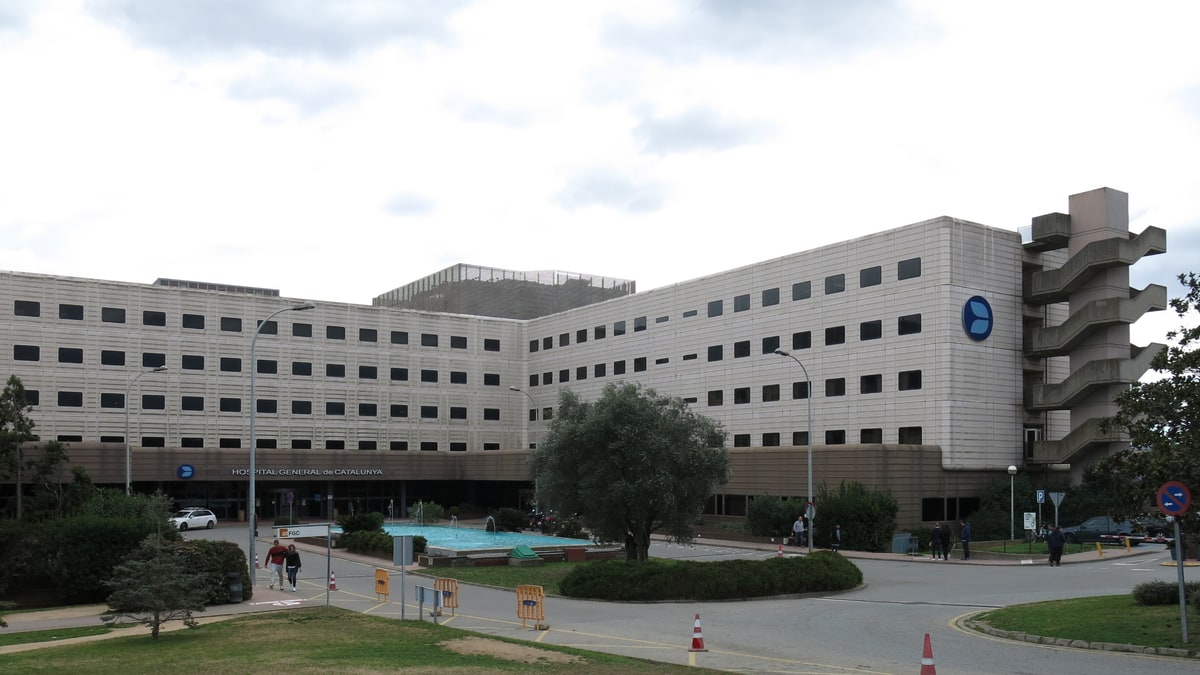
The Digestive System Service of the General University Hospital of Catalonia adds two high-resolution manometry systems, one esophageal and another anorectal in 3D, to study digestive motility disorders.
The Digestive System Service of the General University Hospital of Catalonia has expanded its diagnostic capacity with two new manometry systems, as reported by El Debate. These are high-resolution devices, one for the esophagus and another for the anorectal area in 3D.
As explained by the head of the service, Dr. José Walter Huaman Ríos, the devices accurately record the pressures and muscular coordination involved in various functions of the digestive system. The information is then represented in high-resolution maps that specialists can read in detail.
“High-resolution manometry allows us to understand in much greater detail how the digestive system is functioning and what mechanism may be behind the symptoms presented by the patient.”
For esophageal function, the hospital has incorporated the ManoScan ESO system. It analyses the coordination of esophageal contractions, the progression of each swallow, and the functioning of the esophageal sphincters. The test is indicated for patients with difficulties swallowing, non-cardiological chest pain, or suspicion of esophageal motility disorders.
Among other abnormalities, the study allows for the identification of achalasia and obstruction at the junction between the esophagus and the stomach. The value of the technique, according to the specialist, lies in correlating these records with the symptoms, medical history, and other tests of the patient, enabling a more comprehensive interpretation of each case.
Dr. Huaman points out that two people may have similar symptoms but different functional mechanisms. Accurately identifying them, he adds, allows for the selection of the most appropriate treatment for each individual.
On the other hand, the ManoScan AR 3D system is incorporated into the same service to study the anorectal area. It provides a three-dimensional representation of the pressures in the anal canal and rectum, with greater precision in muscular coordination.
This technique is primarily indicated for patients with constipation, difficulty in defecating, fecal incontinence, and other functional disorders of the pelvic floor. The data is evaluated alongside clinical examination and other functional tests, and can help decide whether a rehabilitation program with biofeedback is advisable.
The new techniques strengthen the Neurogastroenterology and Digestive Motility area of the service, thus expanding its capacity to conduct advanced functional digestive studies. Patients requiring these tests will receive them within the clinical assessment of the service itself, which coordinates diagnosis with treatment.
“Technology has real value when combined with the specialist's experience, and the information obtained translates into better clinical decisions,” says Dr. Huaman.

You may also like