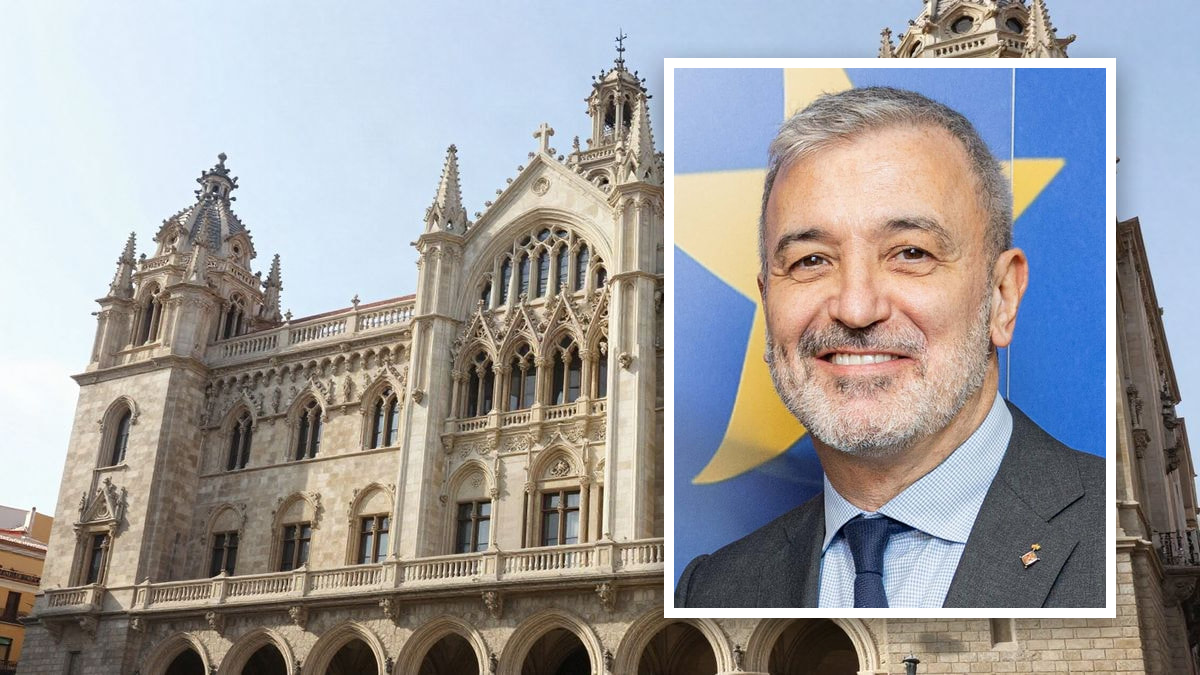

The general elections on Sunday, November 29, 2026, are at stake for 48 Catalan deputies. The Barcelona constituency concentrates **32 of the 350 seats** in Congress.
According to moncloa.com, Catalans will head to the polls on Sunday, November 29, 2026, in a day that will run from 9:00 AM to 8:00 PM. The 48 deputies that Catalonia elects and the 16 senators are at stake, but the real weight of the vote is measured in the province of Barcelona.
The Barcelona constituency is the second in Spain by number of seats, behind Madrid. With 32 deputies, it alone distributes two-thirds of the Catalan representation. Tarragona, Girona, and Lleida together account for 16 seats, half of what Barcelona has.
This distribution explains why the campaign is concentrated in the metropolitan area. Barcelonès, Baix Llobregat, Vallès Occidental, and Vallès Oriental weigh enough to tilt the result. A party can prevail in Girona, Tarragona, and Lleida and end up with no significant representation if it falters in municipalities like Sant Andreu, L'Hospitalet, or Terrassa.
Recent elections have seen Barcelona seats distributed by margins of just a few thousand votes, a fact attributed by the outlet to the results of those elections. Therefore, campaign teams review their surveys district by district and schedule their closing events in areas where the difference can be decisive.
The context of 2023 marks the starting point. After those elections, Pedro Sánchez's government needed the votes of ERC and Junts, in addition to those of the PSC and the Comuns, and each Catalan deputy weighed heavily in the arithmetic of Congress. Today, the scenario is different, as the surveys handled by campaign leaders place PP and Vox around 190 deputies.
If the sum of PP and Vox reaches that figure, the next government could be formed without relying on Catalan votes. The 2011 general elections, in which the PP obtained 186 seats, serve as a precedent: Mariano Rajoy governed without needing Catalonia. For ERC, Junts, and the PSC, this means losing the ability to influence the investiture, each for different reasons.
Participation in the metropolitan area will be key. If it rises there, the distribution of the 32 Barcelona seats will become more fragmented, and the threshold needed to enter the distribution will change appreciably. The results will be known after the counting on the night of Sunday, when the polling stations close.

You may also like