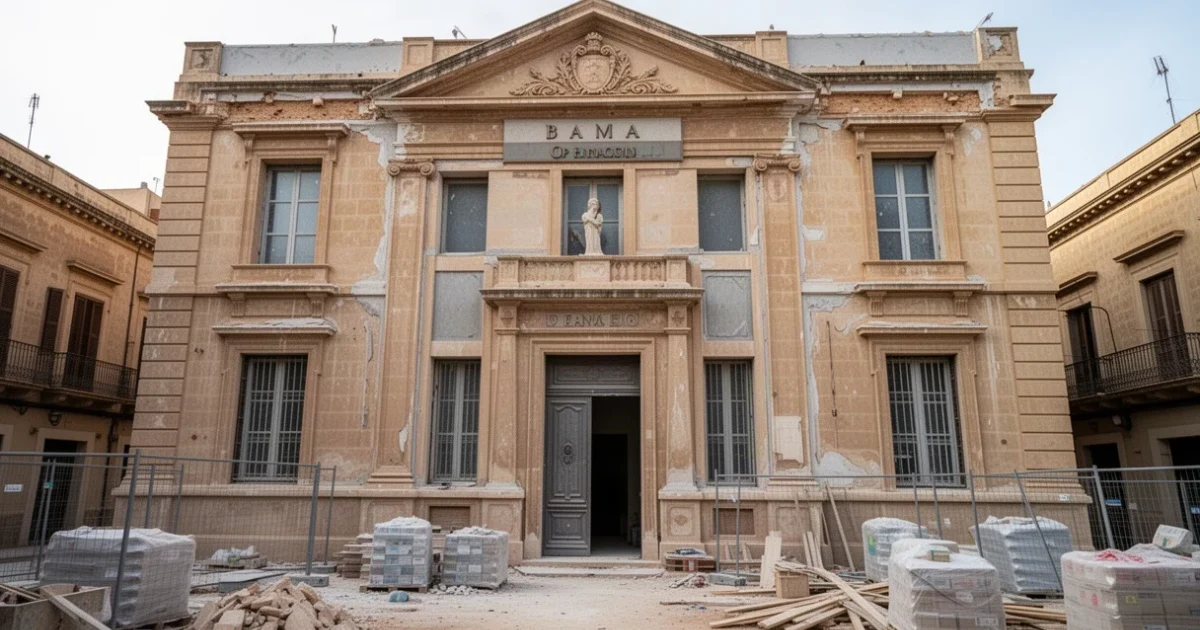

The Gothic Quarter in Barcelona, a UNESCO World Heritage site, showcases the city's rich history spanning four millennia. This area attracts millions of tourists eager to explore its ancient streets.
The heart of Barcelona beats strongest in the Gothic Quarter, a neighborhood that encapsulates over 4,000 years of history. As the city continues to thrive as a top global tourist destination, this historic enclave draws millions each year who seek to immerse themselves in its unique blend of ancient and modern.
Tourism boom fueled by cultural heritage
In 2025, Barcelona was recognized as the world’s favorite tourist destination, a testament to its unparalleled cultural offerings. Visitors flock to experience not just the famous landmarks but also the hidden gems nestled within the narrow streets of the Gothic Quarter.
This area is more than just a collection of old buildings; it is a living museum where remnants from Roman times coexist with medieval architecture and modern establishments. The allure lies in its ability to transport visitors through time.
A journey through time: from Roman Barcino to medieval marvels
The origins of the Gothic Quarter trace back to Barcino, established by Romans on Mount Tàber. Today, fragments of this ancient civilization remain visible, including sections of the city wall and columns from the Temple of Augustus.
The medieval city that emerged atop these Roman foundations features winding alleys and historic squares that define Barcelona’s oldest core. Streets like Carrer del Bisbe, named after the bishop’s residence, retain their original names from centuries past.
Cultural landmarks: Cathedral and Plaça del Rei
A highlight within this historic district is the Catedral de Santa Eulàlia, an architectural masterpiece constructed between the 13th and 15th centuries. Built over earlier structures dating back to Visigothic times, it stands as a symbol of Barcelona’s religious heritage.
The cathedral’s intricate design reflects both spiritual significance and artistic achievement throughout history.
Nearby lies Plaça del Rei, once a bustling center for markets and tournaments during medieval times. The palatial complex served as home to Catalan counts from the 13th century until the early 15th century, marking it as an essential site for understanding Barcelona’s political evolution.
Exploring lesser-known treasures within Ciutat Vella
While the Gothic Quarter holds prominence as Barcelona’s oldest area, other neighborhoods like El Born and Raval also contribute significantly to its historical tapestry. These areas developed during medieval times and complement the original nucleus with their own stories waiting to be uncovered.
The charm of these neighborhoods lies in their vibrant atmosphere filled with art galleries, boutiques, and local eateries that echo centuries-old traditions.
A personal connection with history
The experience of wandering through these ancient streets evokes a sense of connection not only with Barcelona’s past but also with those who walked them before us. Each corner turned reveals another layer—whether it’s an ornate façade or a quiet plaza—that invites reflection on how far this city has come while still honoring its roots.

Trending on the web

You may also like