Egypt is one of those destinations that generates divided opinions among Spanish travellers. On one hand, the allure of the pyramids, the Valley of the Kings, and the Nile is irresistible for any history lover. On the other, certain headlines about regional instability and warnings from some governments raise reasonable doubts. This guide answers the question honestly: yes, Egypt is safe for tourists in the usual areas of interest, with conditions and precautions that any experienced traveller should know.
The Real Security Situation in Egypt
The Spanish Ministry of Foreign Affairs maintains updated travel recommendations for Egypt that clearly distinguish between areas. The main tourist areas such as Cairo, Luxor, Aswan, Hurghada, and Sharm el-Sheikh have a sufficient level of security for international tourism. The border areas with Libya, Sudan, and the Sinai Peninsula present elevated risks and are not recommended. The geographical distinction is clear, and standard tourist itineraries do not approach the problematic areas.
Crime in tourist areas is primarily opportunistic: scams, excessive charges, fake guides, and aggressive sellers. Visitors arriving at the Giza Pyramids uniformly describe it in their reviews: wonderful, but be prepared for harassment from sellers. Knowing this scenario in advance transforms a potentially frustrating experience into something manageable.
The Giza Pyramids: The Main Reason to Go
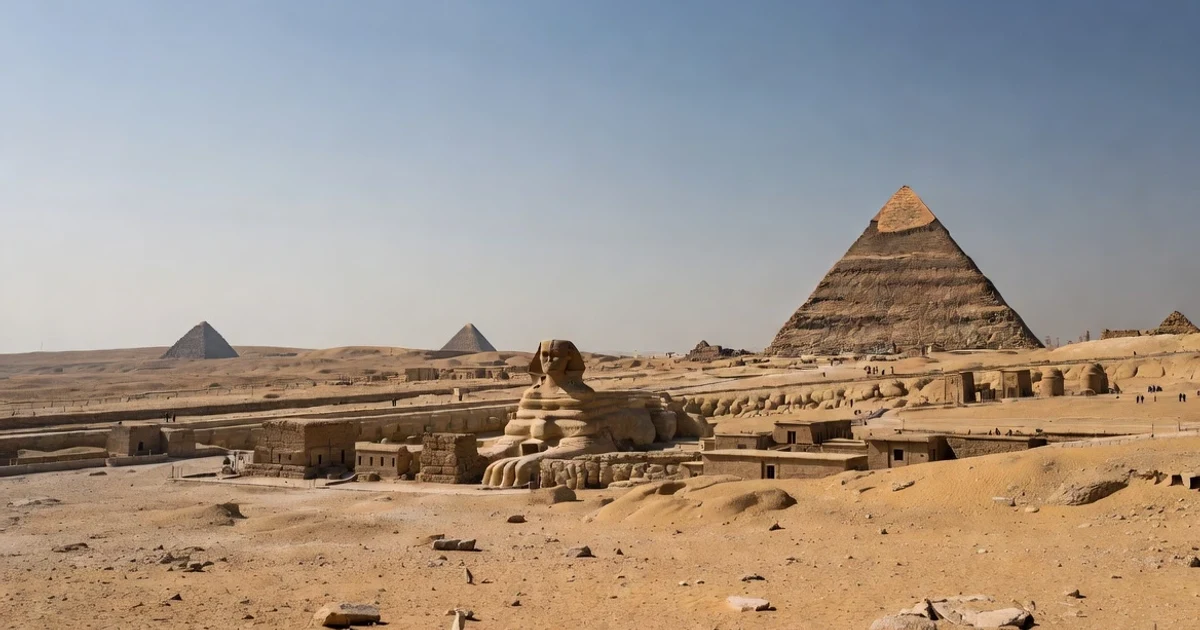
The Giza Necropolis, rated 4.6 from over 112,000 reviews and open daily from 8:00 to 16:00, is the destination that justifies the flight by itself. The three main pyramids alongside the Great Sphinx represent one of the most impressive monumental ensembles produced by human civilization. Seeing the actual scale of the Pyramid of Khufu, whose individual stones weigh several tons, changes the perception of what humans are capable of building.
The Great Sphinx, rated 4.7 from nearly 26,000 reviews and accessible from 7:00 to 16:00, is included in the general admission to the complex. The best time to visit is early in the morning when the slanting sunlight creates dramatic shadows on its surface and the number of visitors is still manageable.
A practical tip that visitors consistently repeat: negotiate the price of camel rides before getting on, not after. The fair price ranges between 20 and 30 euros per person. And under no circumstances accept help from strangers who identify themselves as police or official guides without verifiable credentials.
The Egyptian Museum in Cairo
The Egyptian Museum in Tahrir Square, rated 4.5 from nearly 65,000 reviews and open daily from 9:00 to 17:00, houses the most important collection of antiquities in the world. From the famous funerary treasure of Tutankhamun to the Narmer Palette dating back to 3100 BC, the museum could occupy several full days without exhausting its content.
The opening of the Grand Egyptian Museum near Giza has significantly reduced the influx at the historic museum in Tahrir Square, making the visit quieter and more enjoyable than in previous years. The recommendation is to hire a certified guide directly at the entrance to provide historical context to a collection that might otherwise be overwhelming.
Luxor: The Valley of the Kings and the Temple of Luxor
Luxor concentrates the greatest archaeological heritage in the world in a single city. The Valley of the Kings, rated 4.8 from over 23,000 reviews and open from 6:00 to 17:00, is where the pharaohs of the New Kingdom ordered their tombs to be built for eternity. The standard entry includes three tombs. The tomb of Seti I requires an additional ticket but is described by visitors as the most impressive in terms of size, carvings, and preservation of the original colour.
The Temple of Luxor, rated 4.8 from over 34,000 reviews and open from 6:00 to 20:00, is especially recommended to visit in the late afternoon when the artificial lighting turns its columns and friezes into a first-rate visual spectacle.
Mobile Connectivity in Egypt
Egypt is not part of the European Union, and the free roaming that protects Spaniards in Europe does not apply. Spanish operators like Movistar, Vodafone, and Orange charge data rates in Egypt that can exceed 10 euros per day. On a ten-day visit, that added expense can reach 100 euros per phone.
To avoid relying on hotel WiFi or the unstable connections at archaeological sites, the most practical solution is to activate the Holafly eSIM for Egypt before leaving Barcelona. It is purchased online, activated via a QR code from the smartphone, and offers unlimited data on the local operator from the moment of landing. The Spanish number remains active on the physical SIM for calls and messages at no additional cost.
Practical Safety Tips for Spaniards in Egypt
Transport: Always use vehicles from your hotel or recognised travel agencies to move between cities. The overnight train between Cairo and Luxor is a safe and economical option for long stretches.
Money: Cash in Egyptian pounds is essential in markets, bazaars, and for tips. ATMs from major banks like Banque Misr and CIB offer the best exchange rates. Always keep your passport in the hotel safe.
Heat: Between June and August, temperatures in Luxor and Aswan exceed 40 degrees. The months from October to April are ideal for visiting archaeological sites with bearable temperatures.
Certified Guides: Official tour guides in Egypt have verifiable government accreditation. A good certified guide completely transforms the experience at the monuments and acts as a natural mediator with local sellers.
The Final Answer
Is it safe to travel to Egypt? Yes, within established tourist circuits and with the usual precautions in any long-distance destination. The country receives tens of millions of tourists each year, including a significant proportion of Spaniards, and the local tourism industry has a direct interest in ensuring positive experiences.
The first trip to Egypt is, for most travellers, an experience that exceeds any previous expectations. The scale of the monuments, the richness of the historical context, and the character of the population make this country genuinely different from any other Mediterranean destination.

Trending on the web

You may also like