
There is a scene that repeats itself in any hostel around the world: someone arrives dragging their suitcase, checks their phone, and wonders if they will spend the night alone in a city they know nothing about. That feeling, a mix of nerves and anticipation, is precisely the starting point of Tour Me Out, a project that understands tourism in a way quite different from the traditional.
Because travelling, as it is usually done, has a problem that almost nobody names: it isolates. When someone explores a city with their partner, a friend, or family, the experience is confined to that small group. They see the same things, talk to the same people, and by the end of the trip, the memories suspiciously resemble those of any other getaway. Tour Me Out proposes just the opposite: that the journey opens up, mixes with other lives and routes, and from there emerges something that not even the best itinerary can create on its own.
Genuine socialising, not just sharing a table
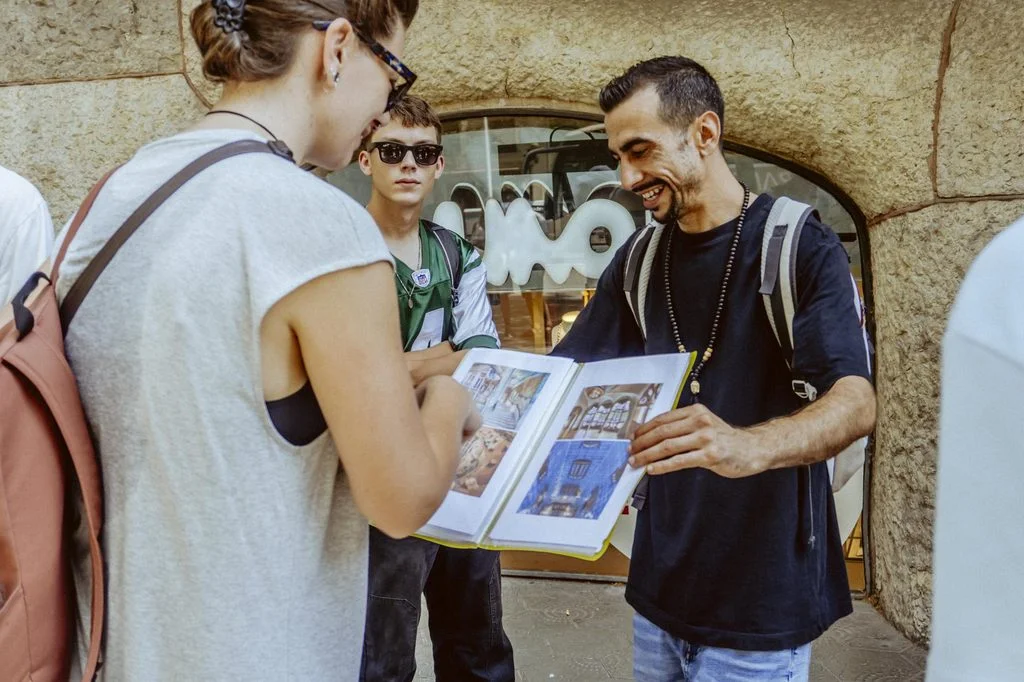
The proposal is not about signing up for a guided tour and listening to facts about a building's façade. It is about creating real bonds between people who, just hours before, didn’t even know each other. A good example is the classic pub crawl in Barcelona, a night that starts as a bar tour and often ends in WhatsApp groups that survive months after the trip, designed precisely so that no one arrives alone for the first drink and no one goes home alone.
What’s interesting is not so much the route itself, but what happens around it: the dinner that turns into a plan for the next day, the recommendation from a local that completely changes the group's agenda, or that friendship that arises from sharing a mediocre tapa and a fantastic conversation. These are small details, but they are what people remember years later, much more than the name of the monument they photographed at ten in the morning.
Tourism with rules, even if it doesn't seem like it
Having fun is not at odds with doing things right, and this is where Tour Me Out distinguishes itself from the typical party plan without criteria. The goal is to enjoy, yes, but without losing sight that each bar, each accommodation, and each neighbourhood has its own rhythms and its own people. This means respecting the rest hours of the neighbours, treating locals as hosts and not as decor, and understanding that novelty is enjoyed better when something is learned from it, not just when it is photographed.
This idea of responsibility is not a last-minute addition to look good. It is integrated into how activities are designed: the quality of the encounter is prioritised over the quantity of stops, and care is taken that the fun does not become noise for those who have not asked to be part of it.
Barcelona has been tightening regulations on nightlife tourism for some time, and rightly so: there are too many examples of parties that leave behind streets filled with noise and fed-up neighbours. When an agency like Tour Me Out develops these types of activities, it does not do so haphazardly, but seeks to ensure that the plan stands the test of time without clashing with the city that hosts it. This translates into small groups, encouraging silence while walking through the streets, not allowing or promoting excessive alcohol during the tours, and caring for the neighbourhood's infrastructure as if it were their own. These are things that need to be taught to tourists if we truly want to change the city's tourism model, and that is exactly what businesses like this seek: to turn a social, youthful, and highly demanded product into something that neighbourhoods can embrace without suffering from it.
What is truly managed are not activities
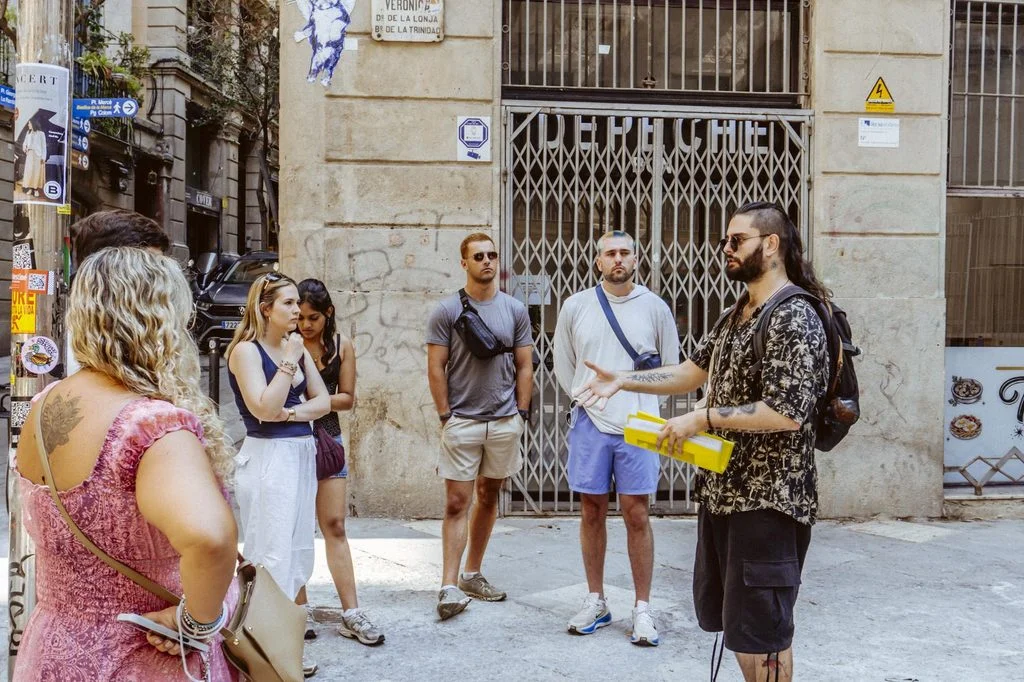
Here comes the nuance that differentiates Tour Me Out from any ordinary excursion agency: they do not sell activities, they manage connections. The pub crawl, the group dinner, or the night walk are just the excuse, the vehicle. What is really being built are bridges between travellers who arrive alone and find company, between tourists and locals who end up sharing more than just directions, and between a group of strangers and a city that suddenly stops feeling so strange.
Memories that last longer than the suitcase
In the end, the circle closes in a way that is quite simple to explain but difficult to replicate: someone arrives alone, opens up to socialising without the excuse of a dating app or the discomfort of a group of tourists forced to do networking, and leaves with something that weighs more than any souvenir. It could be a friendship that crosses borders, a contact in another city for the next getaway, or simply the certainty that this trip, unlike others, had a name and surname.
For those considering their next getaway to Barcelona and do not wish to do it in silence, this way of understanding tourism offers exactly what is often missing in a well-planned trip: people. And not just any people, but those who cross paths at the exact moment when one is most willing to be surprised.

You may also like