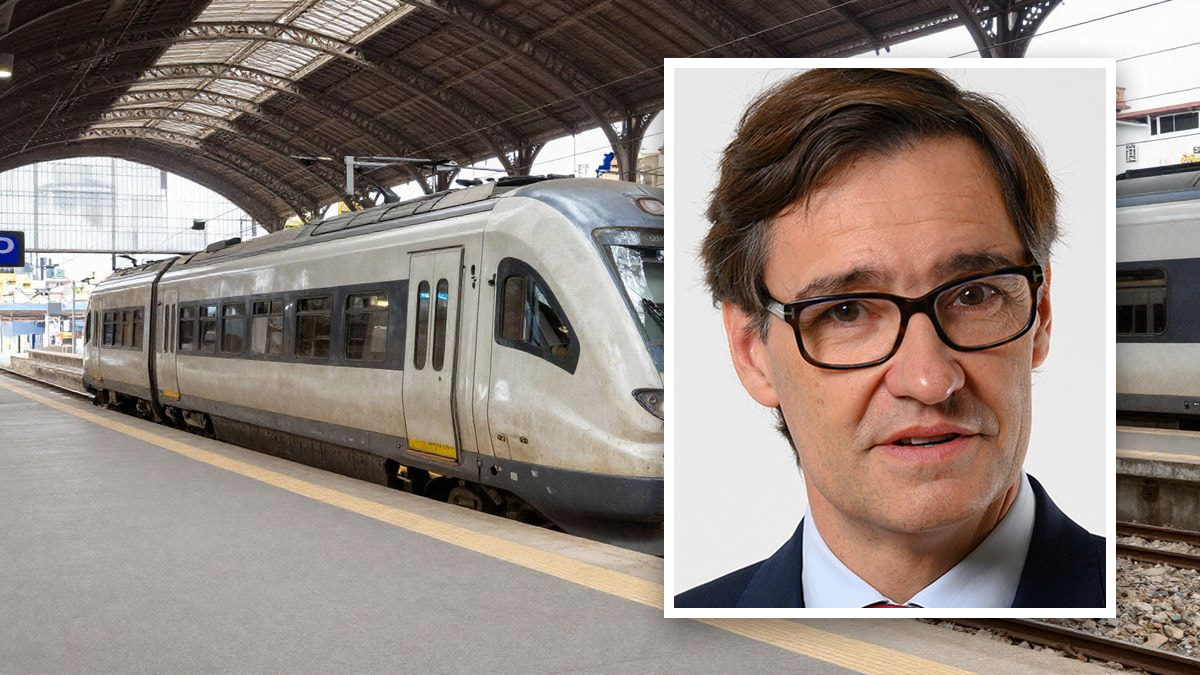
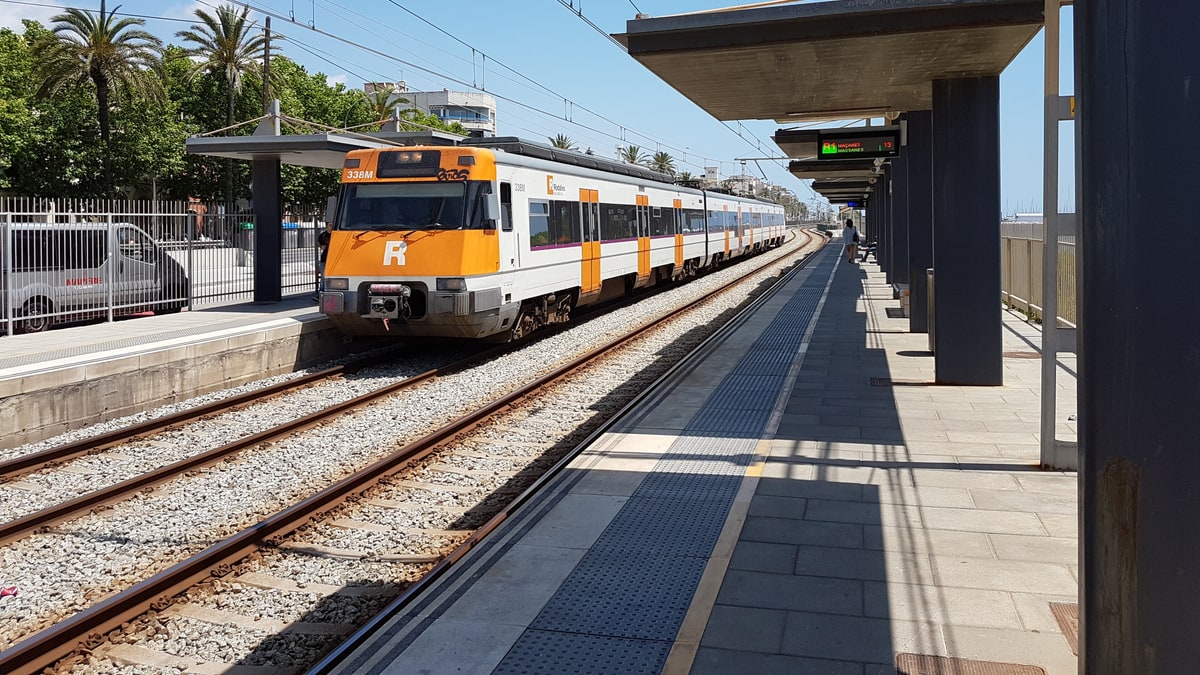
Rodalies lost more than two million travellers in October compared to the same month in 2025. Many users now travel by intercity bus or car sharing.
More than two million travellers stopped using Rodalies last October compared to the same month in 2025, representing a 25% drop. According to 20minutos, some of these users have switched to intercity buses and car sharing, while organising through networks to cope with the railway chaos.
Incidents and delays due to adverse weather, cable thefts, and train driver strikes have been recurring for months. The deterioration worsened in autumn, and the train has ceased to be the default option for many.
In Maresme, the bus lines that reach Barcelona are full during peak hours. There are users standing and others sitting on the floor, and the queues at the stops are getting longer.
This is the case for the line between Mataró and Barcelona, which picks up passengers tired of the R1 delays. According to users, buses arrive full from the first stops, and during peak times, there is no way to board.
In response to these issues, residents have created citizen platforms such as Moviment 807, Millorem Bus Baix Maresme, or Moviment 11 Mataró. They have taken their demands to the Parlament.
WhatsApp groups have become the main source of real-time information about traffic and the response from the concessionary company, especially on railway strike days.
The spokesperson for Millorem Bus Baix Maresme, Rosa Martínez, calls for articulated buses with more capacity and safety:
We are packed like sardines in a can.
To address these demands, the Govern has reinforced two lines in Alt Maresme: the 618, which connects Pineda de Mar, Calella, and Sant Pol de Mar with Barcelona, and the 621, which links Tordera and Blanes with the Catalan capital. Both are part of the second emergency plan for intercity buses, which starts on Monday, 30 November.
Diana, a student from Granollers who has switched from train to bus, says her line operates well, with delays of no more than 15 minutes. When Renfe collapses, however, the queues are so long that many cannot board at the first stop.
The vice president of the Association for the Promotion of Public Transport (PTP), Mercedes Vidal, describes the situation of Rodalies as very serious. She warns that the system could drop below one hundred million annual users for the first time this century: it reached 117.4 million in 2024 and fell to 111.6 million in 2025.
Vidal recalls that such a sharp decline in public transport has not been seen since the 2007 economic crisis, except for the pandemic. However, back then, all modes lost passengers, and now only the train is declining.
According to the same expert, the works on the railway infrastructure, accelerated since 2019 after decades of underinvestment, have worsened the situation. She believes that the investment comes too late to prevent the collapse of the service.
Nevertheless, Vidal thinks that the loss of passengers is temporary and that users will return to the train once the works are completed, including the duplication of the R3, and confidence is restored. The next steps come with the emergency plan on Monday, 30 November.

You may also like