Catalan doctors warn of the rise of 'monkey dust', a drug that has increased from 28 cases treated in 2024 to 130 so far in 2026 at the Hospital Clínic in Barcelona.
The consumption of the so-called 'monkey dust' is growing in Catalonia at a rate that concerns health professionals. This is warned by Emilio Delgado, head of the toxicology department at the Hospital Clínic in Barcelona, as reported by Marca based on his statements to TV3.
According to the specialist, the centre treated 28 cases in 2024 and so far in 2026 the figure has already risen to 130, which is about five times more. Delgado describes the change as one of the most significant he has seen in the last decade of his work.
“The potential that this substance can have is truly concerning”
Delgado acknowledges that the increase in affected individuals worries emergency and toxicology doctors. The drug has become popular in part due to the scarcity of methamphetamines in the market, according to the specialist himself.
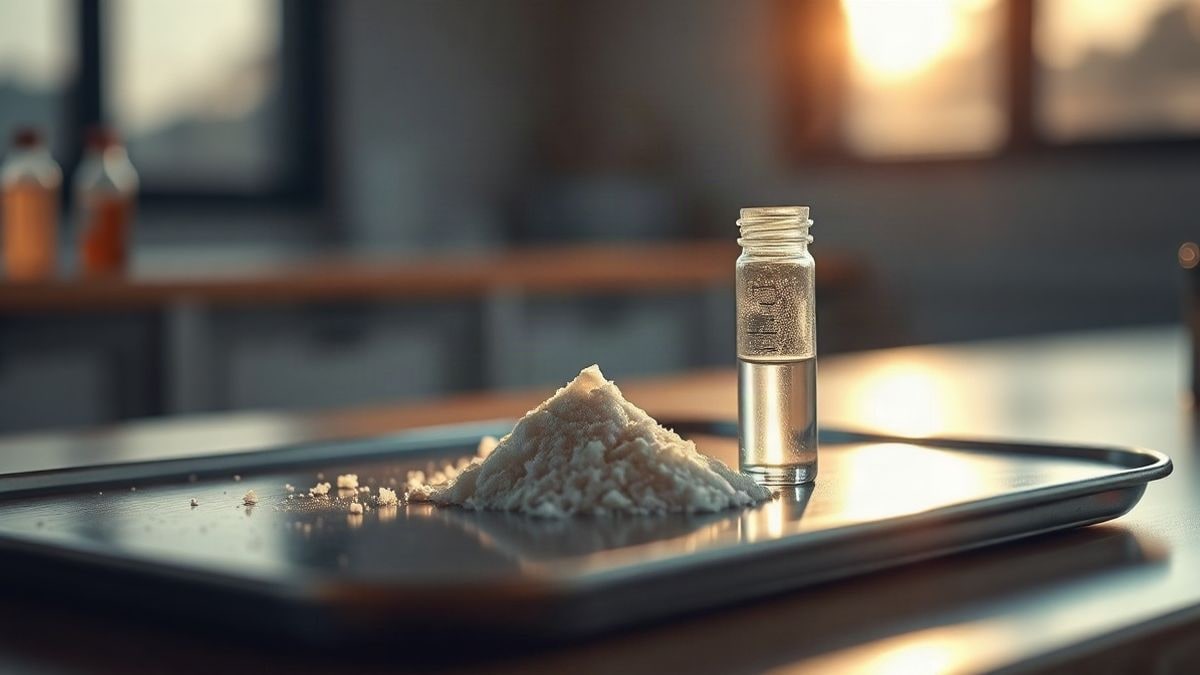
Monkey dust is a synthetic cathinone, a type of psychoactive substance that mimics the stimulating effects of amphetamines and cocaine. The Ministry of Health describes it in a 2025 report as a substance that is consumed orally or inhaled, and in high-risk contexts has also been reported to be injected.
Its immediate effects include stimulation, euphoria, sociability, and a reduced sensation of hunger and fatigue. The problem arises with the consequences: according to the Ministry, it can cause anxiety, paranoia, and heart problems, as well as psychotic episodes or seizures.
The drug's popular name, 'monkey dust' in English, originated in the United Kingdom. It received this nickname because some users climbed lampposts and buildings and even jumped into traffic, incidents that caught the media's attention. The word dust refers to it being consumed in powdered form.
For the Catalan reader, the alert comes from the toxicology department of a reference hospital, with a clear warning about the risk. Anyone with doubts about consumption or its effects can visit their health centre or emergency services, where people with stimulant intoxication symptoms are treated.

You may also like