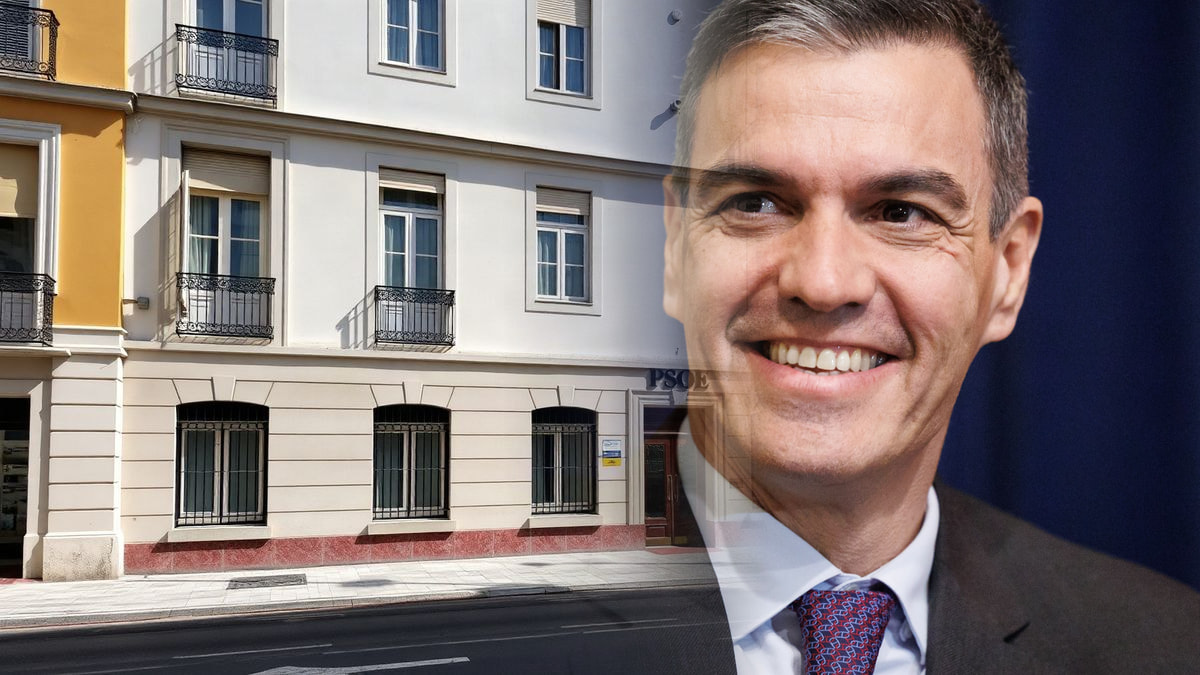
The PSOE includes in its electoral programme the regional funding model that favours Catalonia, despite the rejection from most communities.
The PSOE has presented an electoral programme that reintroduces the regional funding model that favours Catalonia, the same one that most communities rejected in the last Fiscal and Financial Policy Council. According to El Mundo, the document was presented this Sunday, November 15, 2026, and is driven by the Prime Minister, Pedro Sánchez.
The text mentions providing an additional €21 billion to the system so that no community loses resources. Nevertheless, most regions view it as a discriminatory distribution, which is why they rejected it in the council, including Asturias and Castilla-La Mancha.
The proposal puts the socialist barons who opposed it, such as Emiliano García-Page and Adrián Barbón, in a difficult position, complicating the party's candidates in other communities' ability to defend the programme during the campaign. For the PSC, however, it represents a boost, as the model benefits its main stronghold.
The programme also maintains the debt write-off agreed with Esquerra Republicana and supported by the president of the Generalitat, Salvador Illa. Specifically, it promises that the State will partially assume €83 billion of regional debt.
“We will advance in the partial assumption by the State of €83 billion of regional debt, reducing the financial burden on the Autonomous Communities.”
For municipalities, the text discusses a local funding that is “sufficient and fair” with special support for the municipalities facing the most difficulties, but it does not specify figures or deadlines. The residents of Catalonia will have to wait for the party or the future Government to detail how it would be implemented in practice.

You may also like