Five architectural firms are in the running to design the Bioscope at Barcelona Zoo, a center focused on biodiversity and evolution, set to open in 2030.
The future of biodiversity education at the Zoo de Barcelona is taking shape as five architectural firms have been shortlisted for the design of the Bioscope. This ambitious project aims to explore the origins and evolution of life on Earth, with an investment of €18 million and a planned opening in 2030.
The selected finalists include renowned teams such as b720 Arquitectura, led by Fermín Vázquez, alongside partners like Abacus and Lüchinger Meyer Partner. Other contenders are Pich-Aguilera Arquitectes, collaborating with Kengo Kuma & Associates; Brullet de Luna i Associats, working with VESTA; Enric Ruiz Geli Project, featuring contributions from Elisabeth Diller of Diller Scofidio+Renfro; and finally, Miquel Mariné, who has teamed up with Baukunst.
This initiative was first announced by Barcelona’s mayor, Jaume Collboni, last October. Following a competitive selection process that began in December, fourteen firms submitted proposals. The final five were chosen based on their innovative approaches to architecture and their ability to integrate scientific content into their designs.
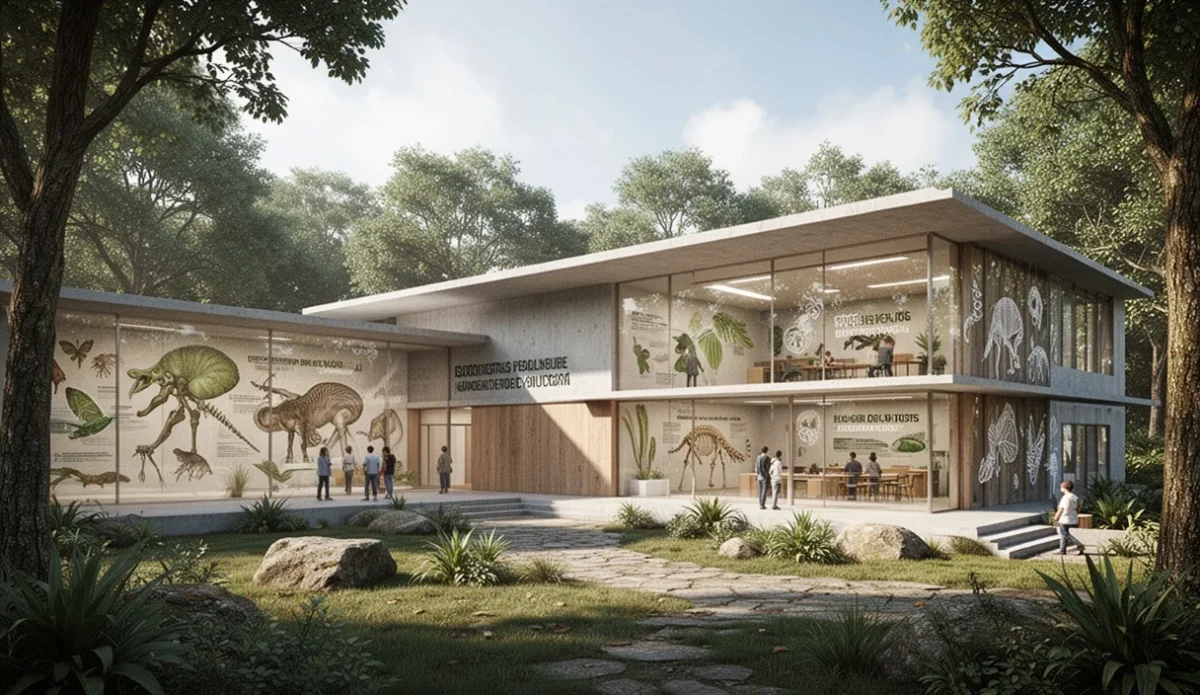
The Bioscope will span approximately 7,000 square meters, incorporating both indoor exhibits across three floors and outdoor spaces within the zoo grounds. It will feature immersive experiences that highlight significant evolutionary processes while addressing current conservation challenges.
The facility will house various species involved in conservation projects led by the zoo, including amphibians, reptiles, fish, and invertebrates. This focus on living collections aims to enhance public understanding of biodiversity through engaging educational experiences.
A key aspect of the Bioscope’s mission is its commitment to research collaboration. The project intends to partner with universities and research institutions to foster initiatives related to biodiversity conservation and animal welfare. This collaborative approach underscores the importance of community engagement in scientific discovery.
The next phase involves each finalist developing detailed architectural proposals that will be evaluated not only for aesthetic appeal but also for how well they convey scientific narratives and educational objectives. The integration of these elements is crucial for creating a space that resonates with visitors while fulfilling its educational mandate.
This project marks a significant step forward for Barcelona Zoo as it seeks to expand its role as a leader in environmental awareness and scientific outreach. With funding entirely provided by municipal entity Barcelona de Serveis Municipals (BSM), expectations are high for what this new facility can achieve.
The winning design will be announced later this year after thorough evaluations by experts from various fields. As preparations continue towards its anticipated opening in 2030, residents can look forward to an innovative addition that promises to enrich their understanding of biodiversity right within their city.

You might also be interested in