The Gavarres Natural Space, with over 2,700 private landowners, faces challenges in fire prevention and management. Local authorities call for intervention rights to protect the forest.
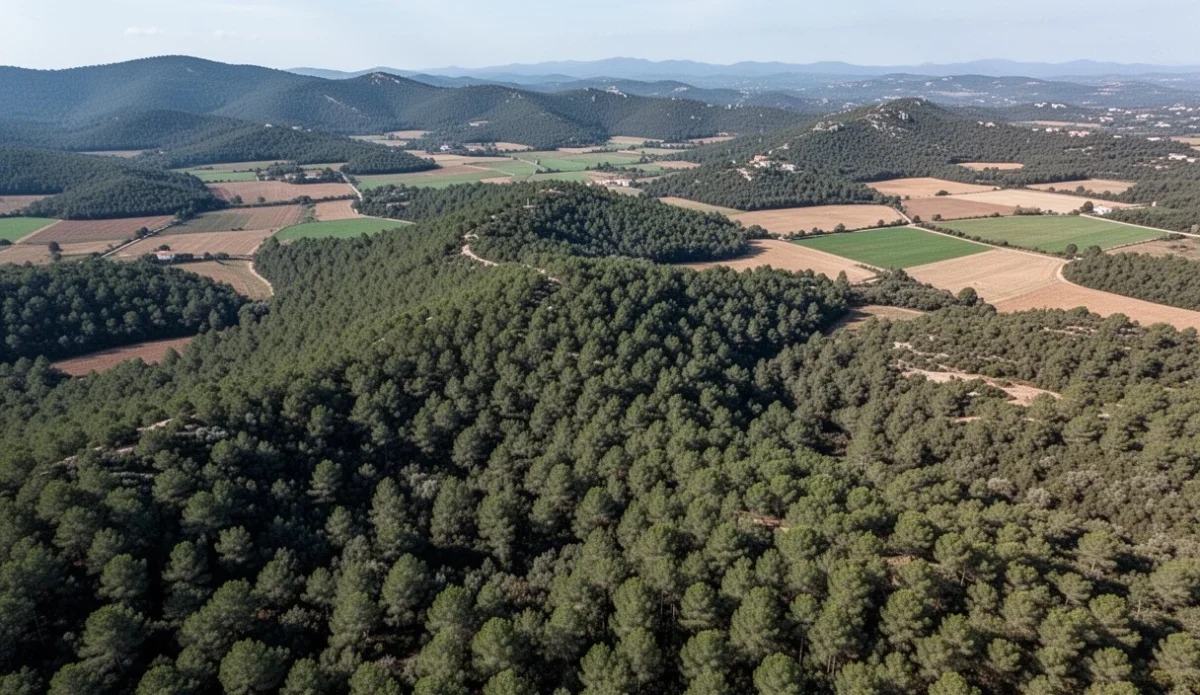
The Gavarres Natural Space, a sprawling 27,000-hectare forest area connecting the Baix Empordà and Gironès regions, is grappling with significant management issues due to its fragmented ownership. With 98% of the land privately owned by approximately 2,720 individuals, many of whom are unaware of their property holdings, effective governance and fire prevention strategies have become increasingly difficult.
The Consorci de les Gavarres has raised urgent concerns about this situation. Quim Gubau, the organization’s manager, emphasized that without proper communication with landowners, necessary interventions cannot be legally executed. “Often we cannot locate the owner,” he stated. “Without their signed permission, we are unable to act; we need tools that allow us to intervene if an owner does not respond within 15 days.” This lack of authority hampers efforts to implement critical fire prevention measures.
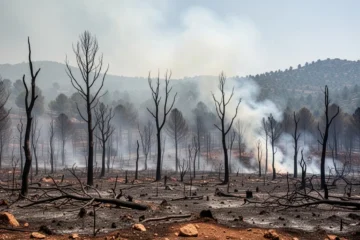
The region has experienced devastating wildfires in recent years. The last major incident burned over 1,000 hectares, reminiscent of a catastrophic fire in the 1980s that reshaped local policies on forest management. In response to these threats, various organizations have previously undertaken protective measures such as creating buffer zones and improving access roads.
Gubau pointed out that environmental factors like strong winds and low humidity exacerbate wildfire risks in an already stressed ecosystem suffering from prolonged droughts. He noted that proactive infrastructure could play a crucial role in mitigating future fires but requires immediate action from higher authorities.
The Catalan Federation of Forest Owners’ Associations (Boscat) echoed these sentiments by advocating for more permanent resources dedicated to forest management. Jordi Tarradas, its director manager, remarked on the importance of active management: “Where there is active oversight, there is less fuel for fires.” He urged government bodies to allocate resources long requested by local communities.
Municipal leaders from areas affected by recent wildfires also voiced their frustrations regarding insufficient funding for preventive measures. Dani Encinas, mayor of Cruïlles, Monells i Sant Sadurní de l’Heura, criticized current funding models: “It makes no sense for our municipality—home to 100 square kilometers of forest—to receive only €10,000 for roadwork or be excluded from aid due to budget constraints.” His comments highlight a growing demand for equitable resource distribution based on actual forest coverage.
The situation calls for immediate attention as summer approaches and wildfire risks escalate. Local governments are pushing for legislative changes that would empower them to manage private lands effectively when public safety is at stake. As discussions continue among stakeholders about how best to address these challenges moving forward, residents are encouraged to stay informed about local initiatives aimed at enhancing fire safety protocols in their communities.

You might also be interested in