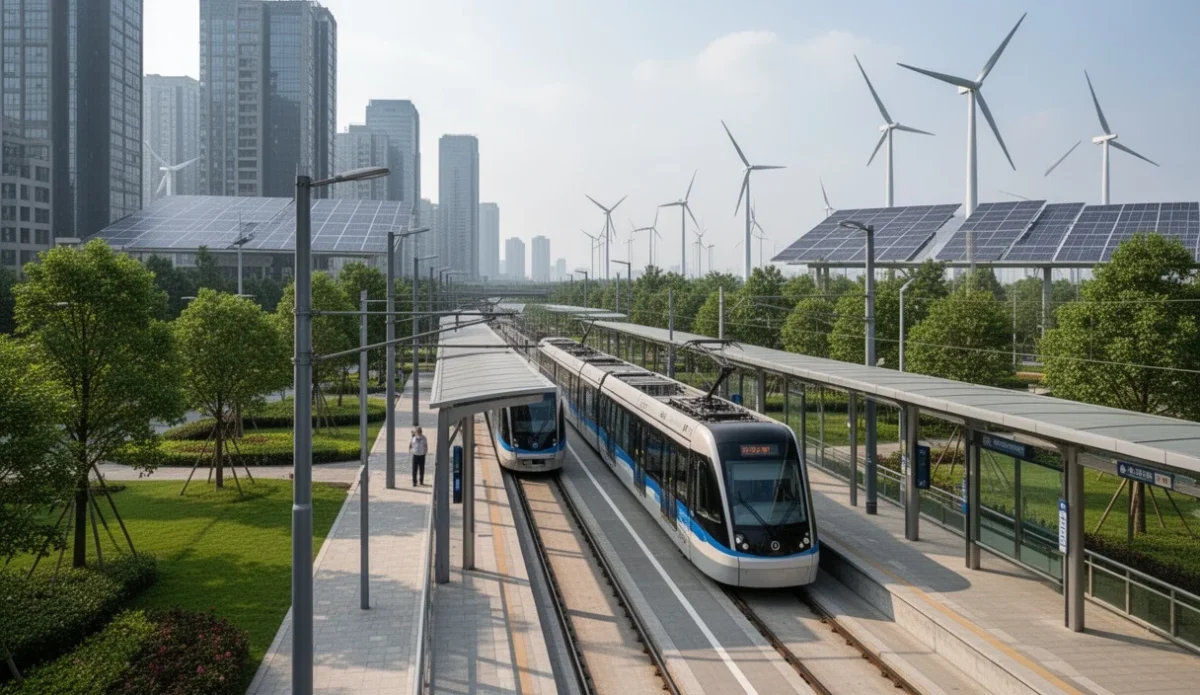
The Catalan government has unveiled a budget of €49.162 billion for 2026, focusing on sustainable mobility and ecological transition. This significant investment aims to modernize transport systems and address climate challenges.
In a bold move towards sustainability, the Catalan government has announced a budget of €49.162 billion for 2026, marking a substantial increase of 22.8% from the previous year. This financial plan prioritizes the transformation of mobility and ecological practices across the region, aiming to enhance public transport systems while addressing pressing environmental issues.
The budget allocates approximately €3.986 billion specifically for infrastructure and mobility improvements, reflecting a 30% rise compared to last year’s figures. Additionally, an impressive €1.629 billion is earmarked for accelerating the ecological transition, which includes initiatives related to water management and renewable energy.
The overarching goal is to foster a more sustainable development model that not only improves public transportation but also enhances resource management in response to climate change challenges anticipated in the coming decades.
A key aspect of this initiative involves creating an integrated transportation network that promotes accessibility and efficiency while reducing emissions. The government plans to modernize railway systems, improve connectivity between various modes of transport, and encourage active mobility through new cycling routes.
The budget outlines several priorities aimed at enhancing public transport accessibility, including an integrated fare system with significant funding allocated for user discounts.
This year’s budget also emphasizes inclusivity within public transport services. Currently, there are about 1.1 billion annual trips recorded using integrated tickets across Catalonia’s transportation authorities. The aim is to ensure that all municipalities are included in this fare integration system.
The government has set ambitious targets: by 2030, it aims to reduce greenhouse gas emissions by 55%, progressing towards achieving climate neutrality by 2050. These efforts are crucial as they seek to bolster resilience against droughts and extreme weather events exacerbated by climate change.
The Generalitat’s commitment includes investments in water cycle management amounting to €895 million, alongside substantial funding directed towards renewable energy initiatives.
A detailed breakdown reveals specific projects funded under this initiative: among them is the extension of the Llobregat-Anoia line with an investment of €101.4 million, enhancements for Tarragona’s tram system at around €101.2 million, and improvements in bus services totaling approximately €60 million.
This comprehensive approach not only addresses immediate infrastructural needs but also lays down a framework for long-term sustainability goals across Catalonia’s diverse regions—from urban centers like Barcelona to rural areas such as Lleida and Girona.
The Generalitat aims for all metro stations—currently at 96% accessibility—to become fully accessible as part of its commitment to inclusive transport solutions.
Catalonia’s strategic investments reflect a growing recognition that effective mobility solutions are integral not just for economic growth but also for environmental stewardship as communities adapt to changing climatic conditions.
This ambitious plan sets the stage for transformative changes in how residents navigate their daily lives while contributing positively toward ecological preservation efforts throughout the region.

You might also be interested in