
An unprecedented winter in Catalonia
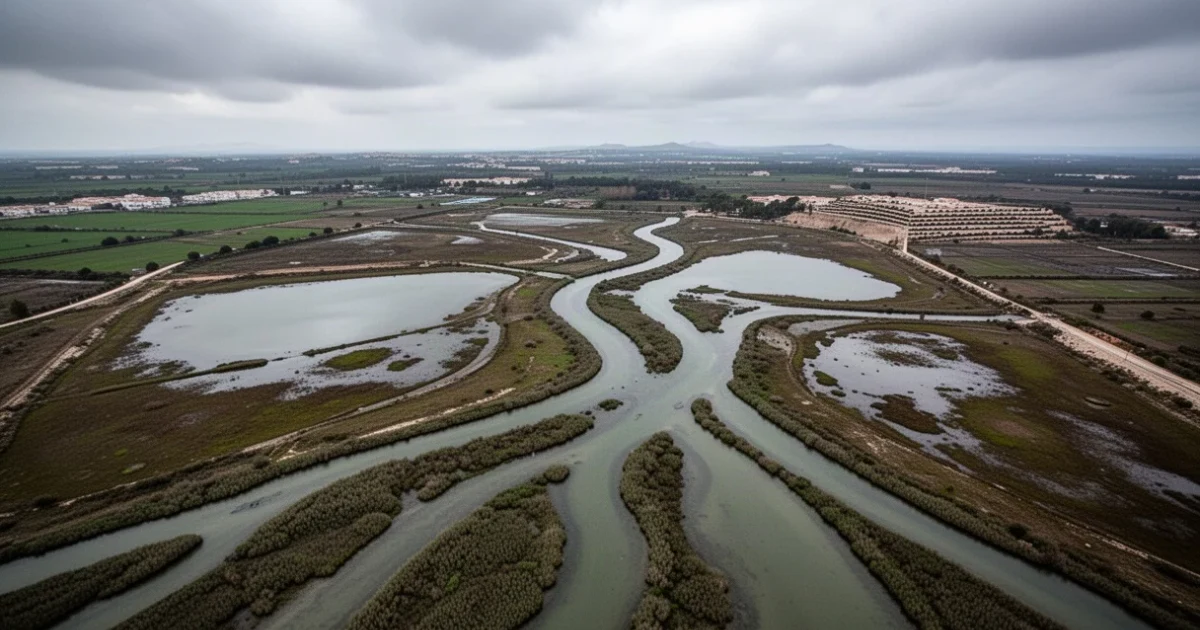
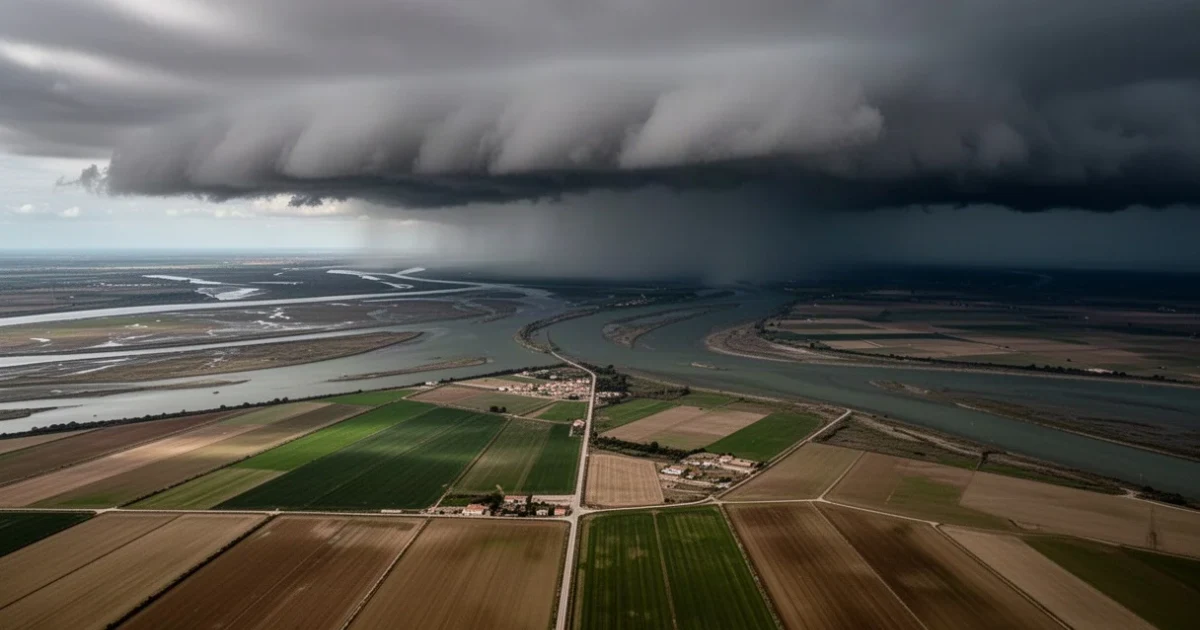
The soil of Catalonia has experienced an unusual phenomenon, reaching the maximum water recharge level thanks to the intense rains that have fallen during the winter. This event, which occurred between December 16 and 17, 2025, has been documented by the Institut Cartogràfic i Geològic de Catalunya (ICGC) and remains relevant three months later.
According to a statement from the Territori department of the Generalitat, this saturation is considered an exceptional fact, as all stations equipped with water sensors have recorded similar levels. The Xarxa de Monitoratge de Sòls de Catalunya (XMS-Cat), active since 2017, currently has 21 stations distributed throughout the Catalan territory, each equipped with sensors that measure soil moisture at different depths.
In 2023, new sensors were added to six stations that allow for the assessment of the effort required for plants to extract water from the soil. During the rainiest weeks, these devices recorded zero water effort (0 kPa), indicating total saturation. However, the data shows that the amount of water in different layers of soil continued to increase slightly after each rainy episode, suggesting a remarkable capacity for both draining and absorbing water.
Particularly at the Aguilar de Segarra station (Barcelona), a continuous saturation situation was maintained for 88 consecutive days, both at 20 centimetres and one metre underground. Other stations such as Bolvir (Girona) and Vilosell i Cérvoles (Lleida) also reported similar conditions, with the latter standing out for its historically drier climate.
The Servei Meteorològic de Catalunya (Meteocat) has confirmed that this winter has been one of the rainiest recorded so far. The accumulated precipitation has reached the 100th percentile compared to historical data for this time of year, establishing it as the wettest since records began.
As Catalonia faces these extreme climate changes, it is crucial to consider how they will affect the local ecosystem and agriculture. The soil's ability to manage large amounts of water will be vital not only to prevent flooding but also to ensure sustainable water resources in the future.

You may also like