
An Expected Resurgence
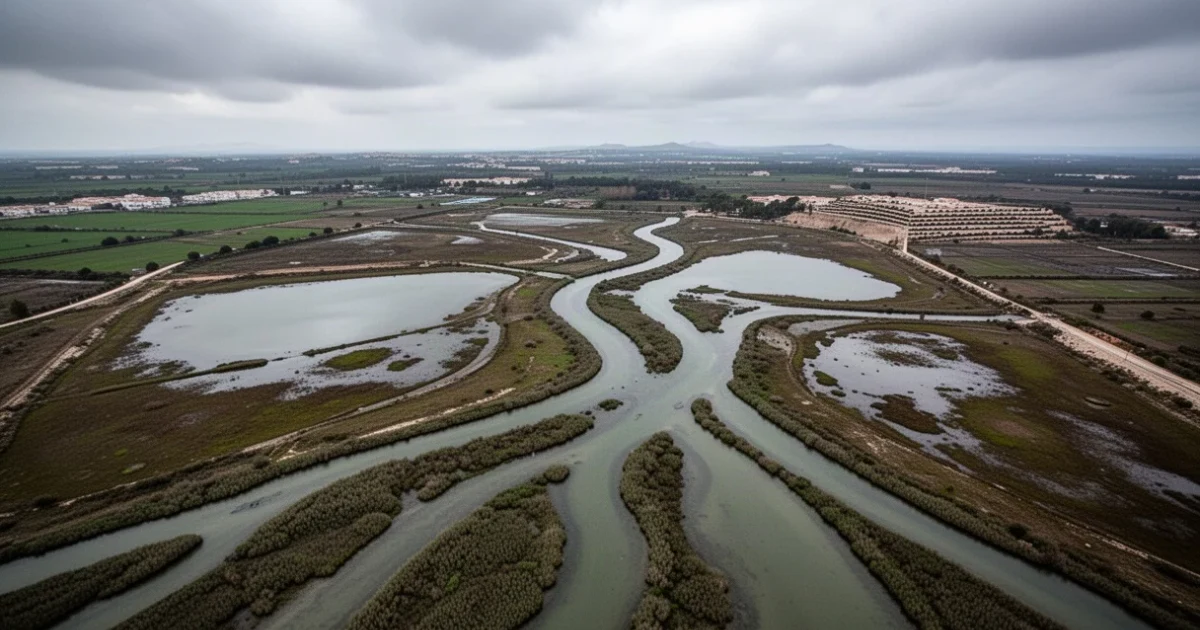
The Aiguamolls de l’Empordà, an emblematic natural park in Catalonia, are experiencing a remarkable rebirth after facing the worst drought episode in their history. Since its creation in 1983, this area had seen water and wildlife diminish, but thanks to recent rainfall and changes in environmental management, life has begun to repopulate its lands.
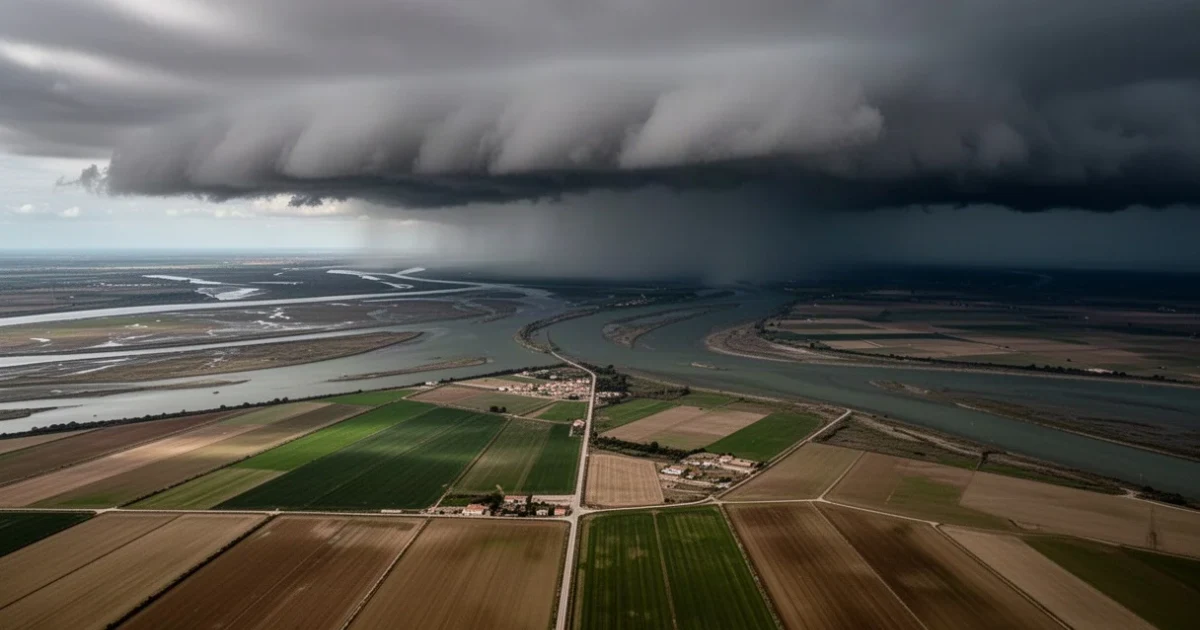
The generous rains of last winter have been crucial in reversing an alarming trend. Compared to the meagre 298 litres per square metre accumulated between 2021 and 2023, just in two months of this year more rain was recorded than during the entire previous year. This climatic change has allowed areas like the Vilaüt lagoon to fill with water again, attracting various bird species once more.
This winter has brought an impressive increase in the number of migratory birds that have chosen the Aiguamolls as their winter refuge. A recent census shows that over 11,000 birds have been counted, highlighting a notable increase in the mallard and the northern shoveler, whose numbers have reached levels not seen in a decade. Ponç Feliu, the park director since December 2024, notes that “the availability of food and space has significantly contributed to this recovery.”
With the arrival of spring, expectations are high for species that have been unable to reproduce for years due to adverse conditions. Albert Burgas, a biologist at the park, expresses optimism about the potential return of threatened species such as the purple heron and the bittern. However, he warns that it is essential to ensure not only water but also adequate food for these birds.
Despite the visible progress in the Aiguamolls, there is still a long way to go to reach historical figures like the 25,000 ducks recorded in 1994. The key lies in maintaining a suitable habitat through proper water management and the creation of protected areas where birds can thrive without human interference.
To foster interest in conservation and educate the public about these emblematic species, the park has launched an innovative initiative: a streaming channel that allows real-time observation of the storks' reproductive cycle. This camera provides a unique window into the natural world while documenting everything from mating to the birth of chicks.
The future looks promising for the Aiguamolls; with ongoing efforts and collaboration between public and private institutions, a complete restoration of this vital ecosystem is expected.

You may also like