A delegation from the Generalitat and Biocat has traveled to the Swedish region of Västra Götaland to design cooperation in the value chain of advanced therapies. The alliance is already exploring projects for Horizon Europe.
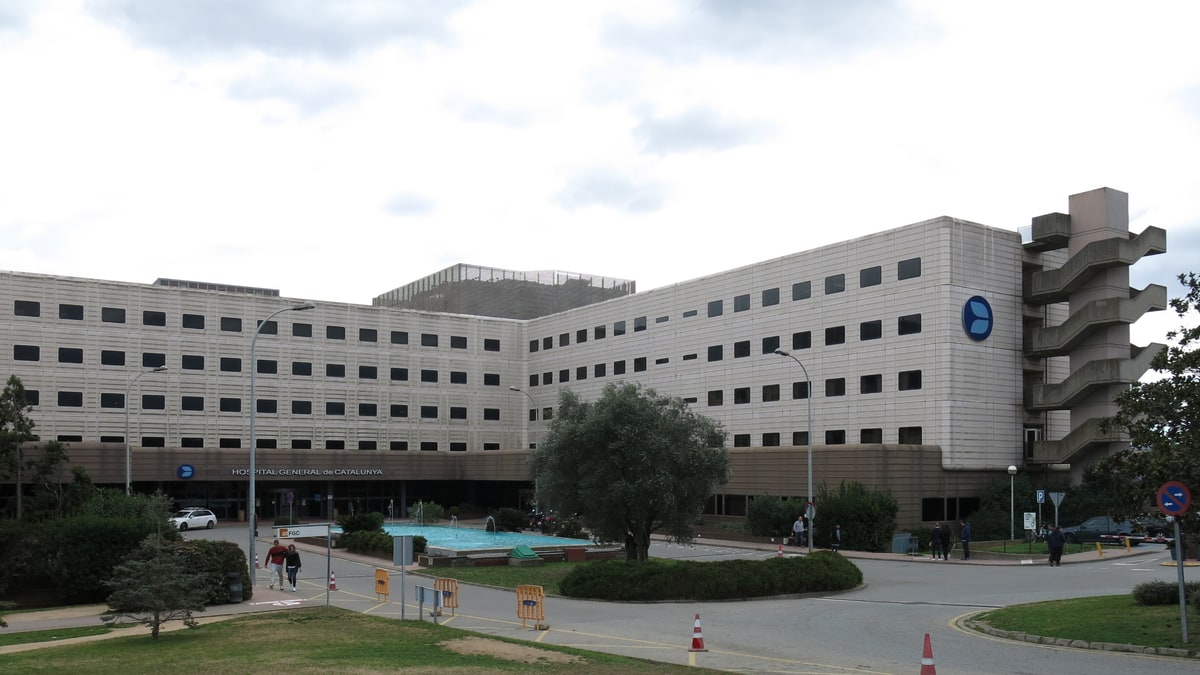
According to Redacción Médica (redaccionmedica.com), a delegation from the Generalitat de Catalunya, along with officials from Biocat, has moved to the Swedish region of Västra Götaland to design a new model of cooperation in the sector.
The aim is to connect all phases of the value chain of advanced therapies, from scientific research to industrial production and application in patients. The alliance has already begun to study joint proposals for future calls from Horizon Europe.
The Director of Strategy and Global Alliances at Biocat, Montse Daban, explains that the trip is part of a clear strategy:
“Catalonia wants to continue sowing to establish itself as one of the main European hubs for advanced therapies and biomanufacturing.”
Among the strengths that Biocat wants to highlight from the Swedish region are the research capacity in advanced therapies and the experience in health digitalization and clinical data management, accumulated over decades of patient records in Primary Care and hospitals.
The Catalan delegation visited the ecosystem of GoCo Health Innovation City and closely observed the work of the Center for the Commercialization of Regenerative Medicine (CCRM) Nordic. Daban describes it as an example of how to organize research centers, hospitals, companies, and public institutions around the production of these therapies.
Biomanufacturing occupies a central place in the debate. According to the director, the challenge is not only to create new treatments but to ensure they can be produced at scale, automated, and made more affordable, so they reach patients sooner. To achieve this, she says, it is necessary to identify the gaps in the value chain and create collaboration mechanisms to fill them.
During the meetings, there was also a proposal to contribute to the design of a European roadmap with the support of the European Commission. Daban warns that Europe has a solid scientific base, but many of the treatments being researched on the continent are developed and produced outside of it.
The competition from the United States and China is, according to the same source, the reason to accelerate this process. Catalonia and Västra Götaland are part of a network of between eight and ten European hubs and the Coalition of the Willing initiative, which coordinates regions that want to drive the transformation of the sector.
Another message from the meetings is that no region can gather all the capabilities to develop and manufacture these therapies on its own. Therefore, regions must share infrastructures, knowledge, and resources so that the chain operates on a European scale and facilitates cross-border collaboration.

You may also like