Toni Castejón, union spokesperson for the Mossos d'Esquadra, demands more resources for riot control following the incidents in central Barcelona. He mentions 32 agents injured in the latest intervention.
The union spokesperson for the Mossos d'Esquadra, Toni Castejón, claims that the riot units in Barcelona are working with insufficient means. He made this statement during a radio interview following a new day of violence in the city centre, which left 52 detainees according to the cited report. Castejón described the number of injured agents in each mobilization as "unacceptable."
The report from the latest intervention totals 32 mossos injured, of which 8 have resulted in work absences. Additionally, nearly 30 injured were reported during the housing demonstration on October 5, along with around twenty injured in previous altercations.
According to Castejón, anti-system groups mingle with peaceful gatherings to commit acts of vandalism, such as the assault on a phone shop in the city centre. The spokesperson explained that when agents attempt to reach them, they are met with objects of all kinds, while part of the public records with their phones, complicating the response.
"To maintain distance when we are being thrown cobblestones, we have nothing with which to defend ourselves"
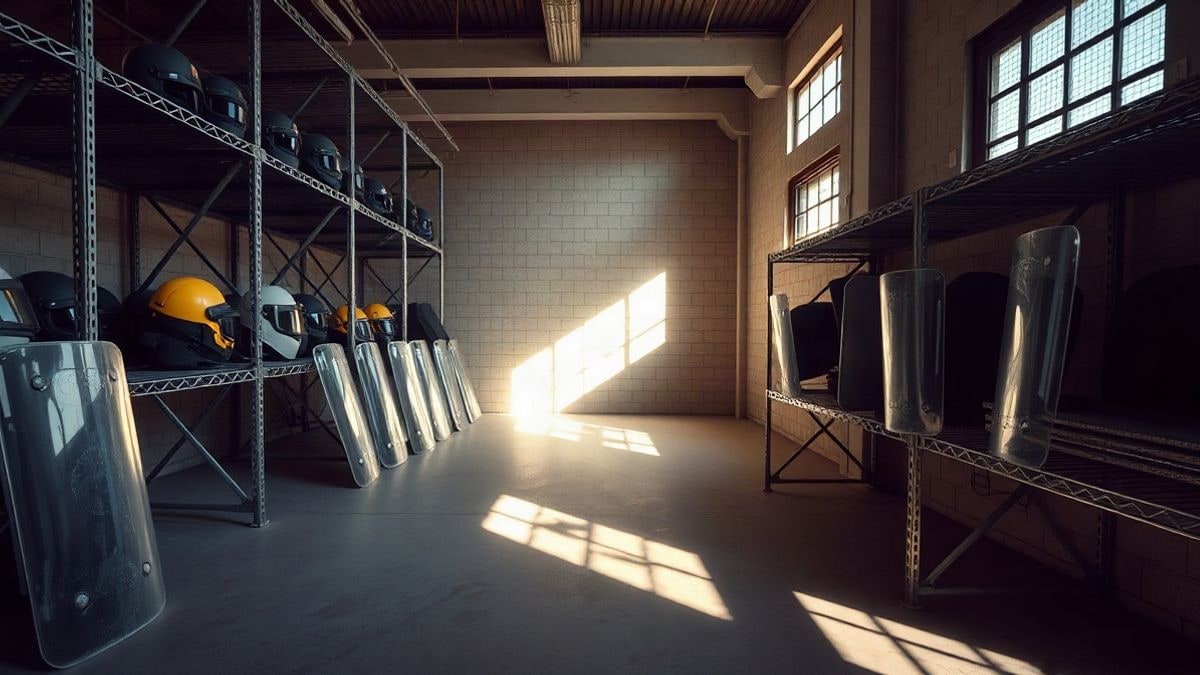
The union regrets that, following the ban on rubber bullets in Catalonia, the promised alternatives, such as water cannons, never arrived. Additionally, they denounce the recent withdrawal of the more powerful viscoelastic FOAM ammunition. Castejón believes that with equipment from 15 or 20 years ago, a similar number of injuries would not have occurred.
In the debate regarding the Ministry of the Interior order that restricts the use of gases in demonstrations, Castejón criticizes the "absolute ignorance" of the political class. He explains that agents use OC spray, a solution of water with pepper that he considers less harmful in the medium term compared to a baton strike. The representative of SAP-FEPOL warns that making decisions without considering operational means leaves agents without effective tools to repel direct assaults, even if they have passive protective equipment.

You may also like