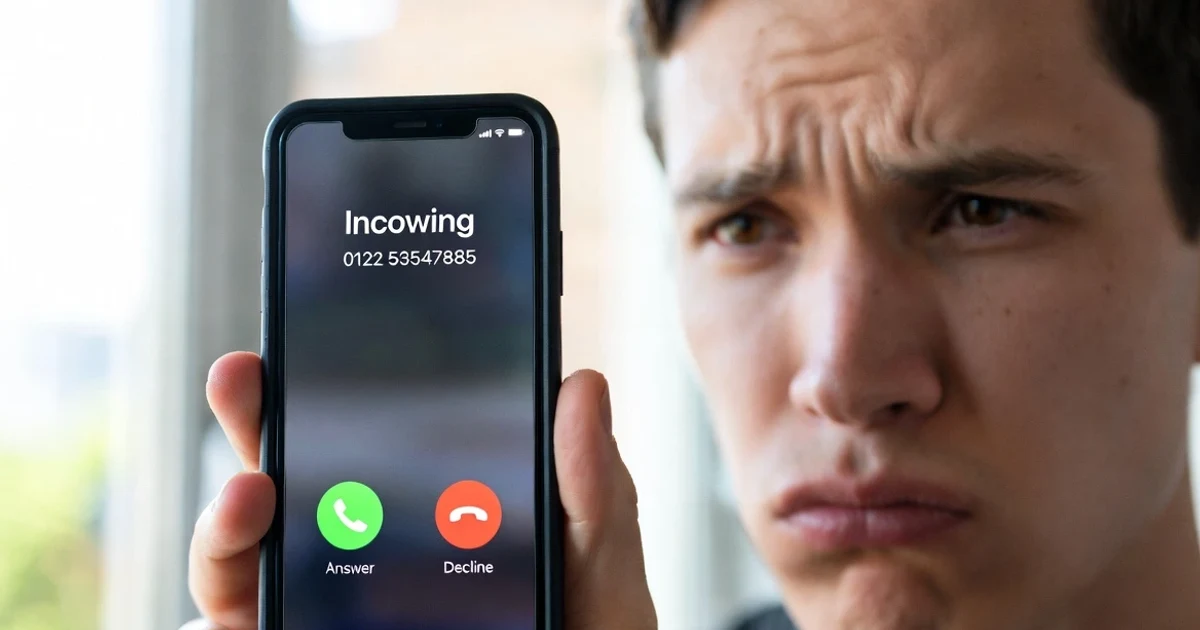

You receive a call from an extremely long number that starts with 630 and ends with a string of digits that looks more like a barcode than a phone number. 6303051032500. Thirteen digits. You look at it, frown, and think the same thing as always: Should I answer or let it ring until it gives up? Spoiler: they almost never give up.
This type of number, with such a strange and unhuman structure, usually raises all the alarms. And rightly so. When a phone number doesn’t fit the usual format of a Spanish mobile (nine digits starting with 6 or 7) or a landline, it’s most likely that something behind it is of no interest to you whatsoever.
Why such a long number raises suspicions
A Spanish mobile phone has nine digits. Not one more, not one less. As soon as you see thirteen digits in a row, you know something is off. These lengthy sequences usually appear for several reasons, and none of them are particularly reassuring.
Sometimes they are spoofed identifiers. Automatic calling systems, those that dial thousands of numbers per hour without any human lifting a finger, generate number chains that the telephone system interprets as best it can. Other times, it’s a display error on your own mobile, which receives strange metadata from a call routed over the internet and shows it to you as is, like a parrot repeating what it hears without understanding it.
The reality is that a number that does not conform to any recognizable format rarely brings good news. Your cousin is not going to call you from a thirteen-digit number to invite you to lunch. That’s something a call centre operator on the other side of the planet does, or an automatic dialing system looking for unsuspecting victims.
The spoofing method, explained without jargon
Spoofing is basically disguising the number that appears on your screen. Imagine someone putting on a fake moustache so you don’t recognise them: well, this is the same, but with phones. The caller manipulates the information to show you a number different from the real one, and sometimes that disguise goes wrong and you end up seeing a jumble of digits like 6303051032500.
The worrying thing about spoofing is that it allows scammers to hide. If you can’t know who is really calling you, you can’t easily report them or block the actual culprit. That’s why it’s advisable to be suspicious of any number that looks like it came from a broken calculator.
What to do when a strange number calls you
The first thing, and this is almost group therapy at this point: don’t answer. If it’s someone legitimate and they really need to talk to you, they will leave a message, send you a WhatsApp, or try from a normal number. No one important in your life communicates exclusively through thirteen-digit phones.
If out of curiosity or distraction you have already answered, apply these basic guidelines:
Do not provide personal information. Neither your full name, nor your ID number, nor your account number, nor the name of your first dog. Nothing. Even if they say they are calling from your bank, the tax office, or the royal household.
Do not follow automated instructions. Those recorded messages that ask you to “press 1 to speak with an agent” often only serve to confirm that your number is active. And a confirmed number is worth gold in the spam market.
Hang up without giving explanations. There’s no need to be polite to a machine. It’s not going to hold a grudge.
Blocking the number (even if it's just a temporary fix)
You can block 6303051032500 from your phone settings in two taps. The problem is that with spoofed numbers this works only moderately well, because tomorrow they will call you from another equally absurd sequence. Still, blocking takes five seconds and sometimes deters at least the laziest.
On Android, it’s usually in the call history, by holding down the number until the option appears. On iPhone, within the call information, at the very bottom, you will find the classic “Block this contact”. If you receive many of these, it’s also worth installing a caller identification app, which cross-references databases and alerts you with a little sign of “probable spam” before you even have time to think about it.
When it’s advisable to report it
If the call goes beyond the typical offer for a light tariff and smells like a real scam (they ask for money, bank details, passwords, or threaten you with anything), the situation changes. We are no longer talking about an annoying person selling insurance, but a possible crime.
In those cases, you can report it to the National Police or the Civil Guard, which have specialized units for cyber crimes. You can also report the number to your operator and to the data protection authority if you suspect they have used your information without permission. Keep screenshots, note the time, and if the number leaves a message, do not delete it: any trace counts.
The golden rule is simple: when in doubt, distrust. It’s much easier to ignore a legitimate call by mistake than to recover money from a scam. The number 6303051032500 falls squarely into the “better safe than sorry” category, and your peace of mind will thank you for treating it like what it almost certainly is: noise that doesn’t deserve your time or attention.

You may also like