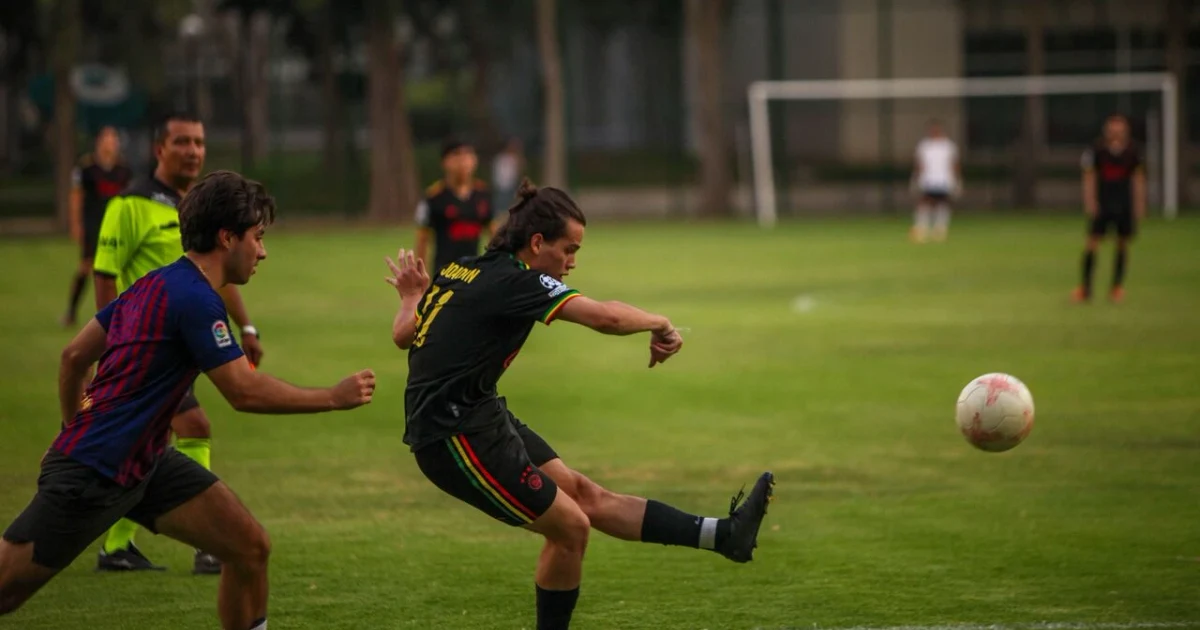

Barcelona has its own pulse on match days. It can be felt in the streets of Eixample, on the terraces of Les Corts, and in every bar where someone discusses the lineup before the whistle blows. Now that Camp Nou is gradually regaining its activity and Palau Blaugrana maintains a busy schedule, that pulse is once again setting the rhythm for the entire city. And we’re not just talking about football or basketball, but about fully booked hotels, restaurants with waiting lists, and shops preparing their windows to welcome fans from around the world.
Camp Nou, a Magnet for Sports Tourism
When a European match approaches, many fans start planning their trip weeks in advance. They book flights, look for accommodation near the stadium, and in the meantime, check out some sports betting tips for your football predictions before sitting in the stands. This ritual, so common among those who closely follow football, is part of the same movement that fills hotels and energises local commerce.
Hotels near the stadium notice the difference week by week. In the days leading up to a European match, occupancy clearly rises, as many visitors arrive with two or three days to spare to stroll around the Sagrada Familia, get lost on Passeig de Gràcia, or simply enjoy the city at a leisurely pace. That margin is what turns a Champions League night into a mini-campaign that no one had on their official calendar.
Interestingly, the stadium's own renovations have become an attraction in their own right. Some people book a guided tour just to see up close how the refurbishment is progressing, mixing nostalgia for the traditional Camp Nou with curiosity about what it is becoming.
The Euroleague and the Role of Palau Blaugrana
Football takes much of the headlines, but basketball has its loyal and very active audience. Palau Blaugrana, with its intimate atmosphere, has carved out a niche among Euroleague fans, including those who arrive following a rival team and end up discovering a city that knows how to welcome.
Euroleague matches usually take place on weekends, so many visitors take the opportunity to extend their stay for a couple of days. This detail ultimately benefits local shops, the Sant Antoni market, and cultural spaces that receive visitors who otherwise wouldn’t make it there.
What’s interesting is that the football and basketball schedules rarely coincide during downtimes. One starts when the other takes a breather, so the city maintains sporting activity for a good part of the year. Travel agencies have already noticed this and offer packages designed for those who want to experience both sports in a single getaway to Barcelona.
Thus, what these weeks of full stadiums and occupied hotels demonstrate is that sport, when well organised, becomes one of the most sustainable economic engines for the city. And all indications are that this momentum will continue to grow as Camp Nou completes its transformation and Palau continues to host European events.

You may also like