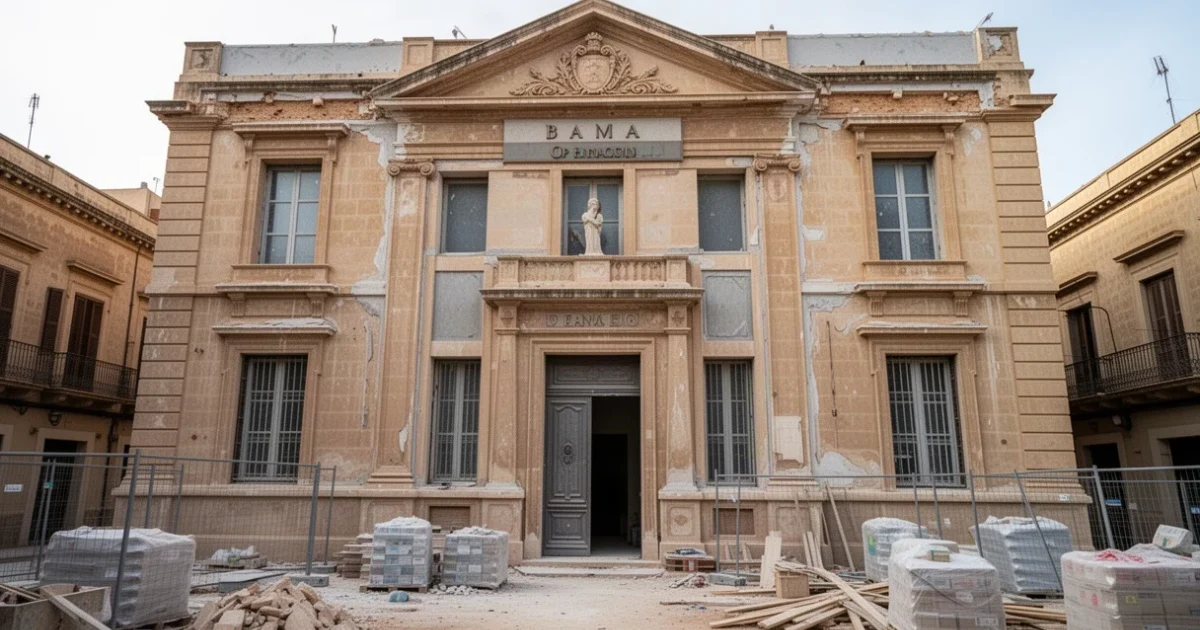

The city of Calella, located in the Maresme region, has unveiled a new augmented reality route that allows users to discover its rich historical heritage. This project, which combines technology and tourism, offers six immersive experiences focused on iconic sites such as the Roman site of Mujal, the Lighthouse, and the Llobet Factory. The initiative is accessible to both residents and visitors and is designed to be used via mobile phones.
An interactive and educational experience
Through this platform, users can explore each of the historical sites at different moments in the past, comparing their current state with virtual recreations. Each experience includes interactive points of interest that provide additional information about the history and cultural significance of each location. The content is available in several languages: Catalan, Spanish, English, French, German, and Polish.
Those interested can access the route by scanning QR codes located at various municipal facilities or directly from the official tourism website. Additionally, a character named Mastegamosques, a dwarf who acts as a virtual guide, accompanies users throughout the tour, offering supplementary information about each space visited.
Although the experiences can be done separately, they are integrated within the same flexible route that allows users to start and finish wherever they wish. To facilitate navigation, an interactive map has been included that marks the different points of interest; the virtual experiences are highlighted in orange while other relevant locations appear in blue.
This ambitious project has been funded through Next Generation European funds as part of the Sustainable Tourism Plan in Destinations (PSTD). The implementation of advanced technologies aims not only to attract tourists but also to foster greater knowledge among citizens about their cultural heritage.
With this initiative, Calella positions itself as an innovative tourist destination that uses digital tools to enrich the visitor experience. The combination of history and technology promises to transform how the local cultural legacy is perceived.
As cities seek creative ways to attract post-pandemic tourism, projects like this stand out for their inclusive and informative approach. Augmented reality not only enhances interaction with the urban environment but also educates new generations about their local history. Calella thus joins other European locations that have adopted similar technologies to revitalize their tourism offerings.

You may also like