Andreina Seijas, a specialist in nocturnal urban planning, emphasizes the need for long-term strategies to enhance Barcelona's nighttime economy and community engagement.
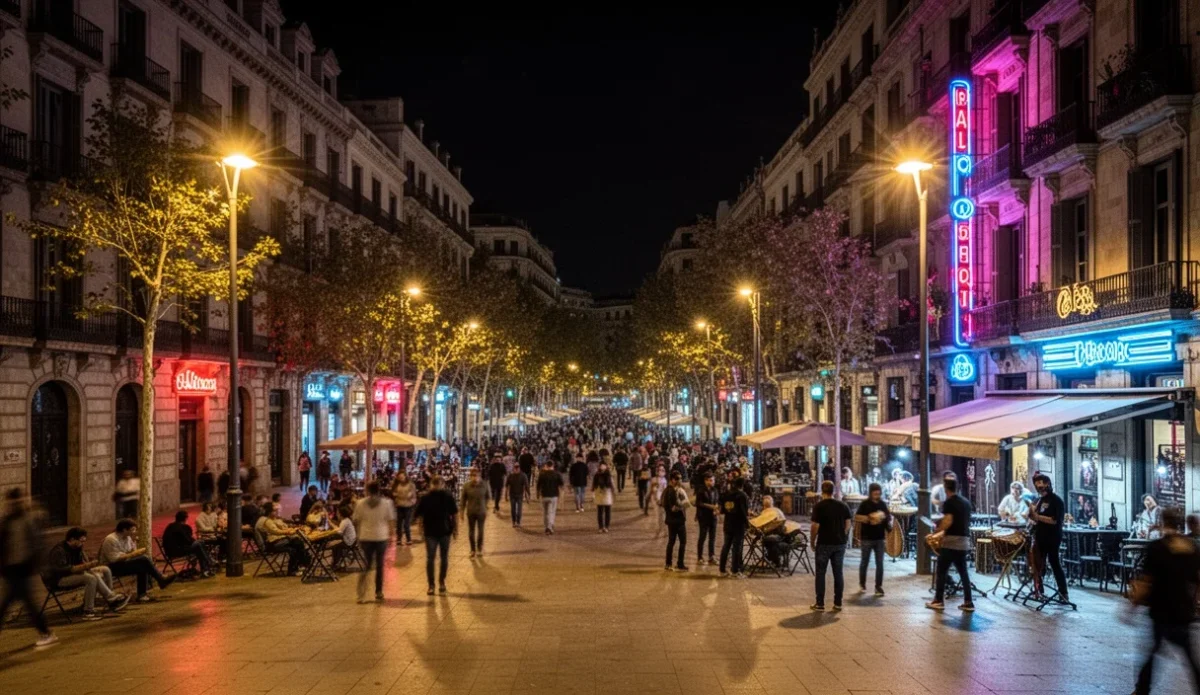
Andreina Seijas, a prominent figure in the field of night governance, is advocating for a comprehensive approach to managing Barcelona’s urban landscape after dark. Having returned to the city in December 2024 after studying and working abroad, Seijas founded Night Tank in 2020, aiming to reshape how cities interact with their nocturnal populations. Her insights come at a crucial time as cities worldwide grapple with post-pandemic recovery and evolving urban dynamics.
Seijas first arrived in Barcelona in 2021 during a pivotal moment in her career. After completing her doctorate at the Harvard Graduate School of Design, she was invited by former mayor Jordi Hereu to join his strategic consultancy. This opportunity allowed her to immerse herself in Barcelona’s unique model of urban transformation, which she had previously only studied theoretically.
Reflecting on what makes Barcelona special, Seijas notes its vibrant public spaces that foster community interaction. “There’s something about Barcelona that feels like home,” she states. The city’s blend of coastal and mountainous landscapes resonates with her Venezuelan roots, while its Mediterranean lifestyle offers an appealing quality of life.
However, Seijas identifies several areas needing improvement. Despite its historical reputation as an innovator in urban development—especially since the 1992 Olympics—she believes that current efforts must focus on everyday challenges faced by residents. “A long-term vision is essential,” she argues, emphasizing the importance of supporting local businesses and ensuring affordable housing.
The upcoming years will be critical for maintaining Barcelona’s identity as an open and creative hub while addressing these pressing issues. Seijas envisions a city that embraces new ideas without losing its essence: “A strong city integrates opportunities while preserving what makes it unique.”
A significant aspect of this vision includes enhancing nighttime governance. As temperatures rise due to climate change, public spaces will increasingly serve as vital refuges during warmer evenings. “Thousands live and work at night; we must recognize this reality,” she insists.
This focus on nighttime activity is not merely about nightlife but encompasses cultural engagement and economic vitality during hours traditionally overlooked by planners. Historical precedents show that cities like Berlin have successfully integrated night culture into their urban fabric, leading to thriving economies centered around evening activities.
As Seijas continues her work through Night Tank, she aims to influence policy decisions that prioritize both residents’ needs and sustainable growth strategies for the future of Barcelona’s nightlife. Her commitment reflects a broader trend among urban planners who recognize the significance of inclusive governance models that cater to all citizens regardless of when they are active.
The implications for residents are profound: improved access to services during nighttime hours could enhance safety and community cohesion while fostering economic opportunities for local businesses catering to diverse populations.
For those interested in engaging with these developments or learning more about upcoming initiatives related to nighttime governance in Barcelona, resources can be found through Night Tank’s website or local government announcements regarding public forums on urban planning.

You might also be interested in