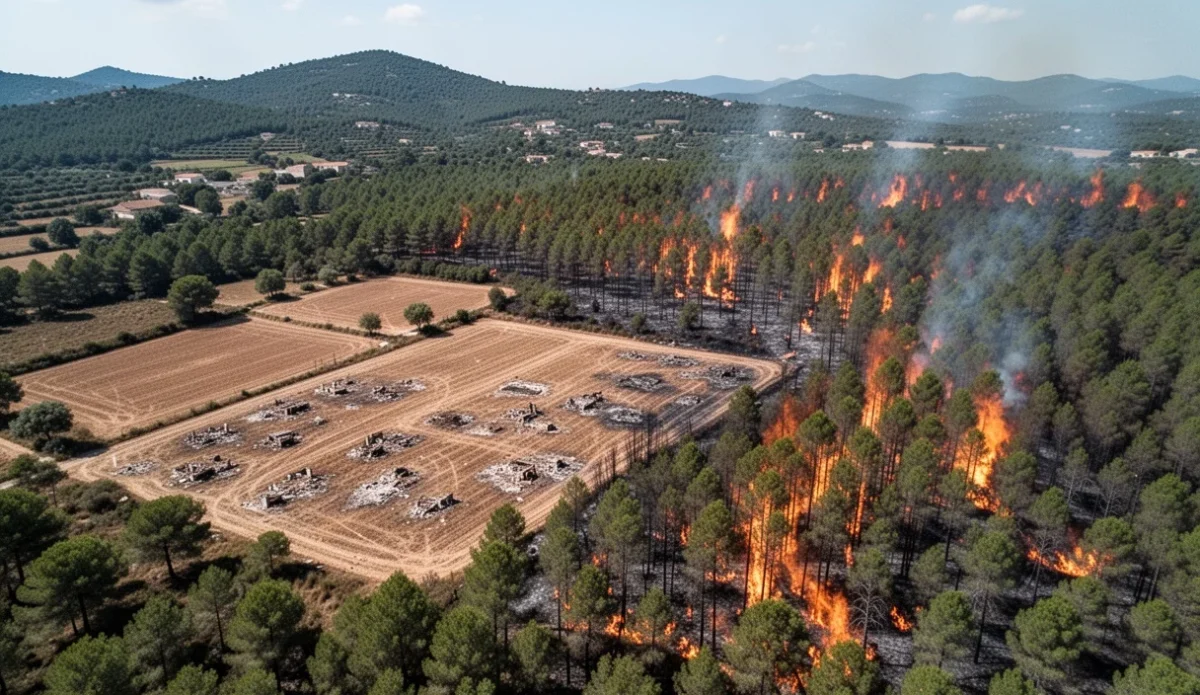
Recent discussions highlight the increasing risk of wildfires in Catalonia, echoing past disasters. Experts warn that abandoned lands could fuel future blazes.
The specter of devastating wildfires haunts Catalonia as experts warn that the region’s abandoned lands are becoming a tinderbox for future disasters. This concern is not new; it echoes the fears first articulated by writer Joaquim Ruyra nearly a century ago, following a catastrophic fire in 1928 that ravaged his family estate in Les Gavarres.
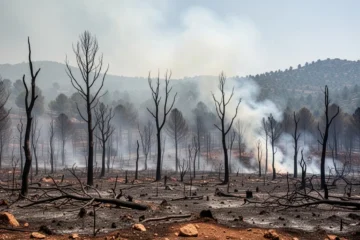
Ruyra, who was known for his innovative storytelling and deep connection to the Catalan landscape, vividly described the aftermath of that fire in his tale ‘Entre Flames’. His haunting depiction of blackened trees and lifeless land serves as a grim reminder of nature’s fragility. Today, similar landscapes across Catalonia are at risk as they remain largely unmaintained and neglected.
According to recent studies, approximately 93% of Catalonia is covered by forests and agricultural land, with only 7% urbanized. This vast expanse of greenery is both a treasure and a potential hazard. As urban areas expand, these natural spaces become increasingly vulnerable to wildfires.
The legacy of fear surrounding wildfires has been passed down through generations. Historical accounts reveal that significant fires have plagued this region since at least 1947, when flames swept through Romanyà and continued towards La Bisbal. In 1968, residents feared an inferno would cross under the viaduct connecting Barcelona and Girona, threatening to engulf coastal areas.
This ongoing anxiety has led to calls for better management practices aimed at reducing wildfire risks. Experts emphasize the importance of maintaining these landscapes to prevent them from becoming overgrown with dry vegetation that can easily ignite during hot summer months.
The current state of many rural properties mirrors Ruyra’s experience; they are often left unattended, turning into potential fuel sources for future fires. “The mantra of an impending great fire continues to resonate,” says local environmentalist Marta Soler. “If we do not act now to manage these lands responsibly, we may witness another tragedy.”
In light of these warnings, local governments are beginning to implement strategies aimed at forest management and community awareness programs designed to educate residents about fire prevention measures. These initiatives include controlled burns and clearing brush from around homes in vulnerable areas.
The urgency is palpable as climate change exacerbates conditions conducive to wildfires across Europe. With rising temperatures and prolonged droughts predicted for the coming years, Catalonia must confront its historical legacy while adapting modern strategies for land management.
Catalans are encouraged to participate in local workshops on wildfire preparedness scheduled throughout spring 2026. These sessions will provide valuable information on how individuals can protect their properties while contributing to broader community efforts aimed at reducing wildfire risks.

You might also be interested in