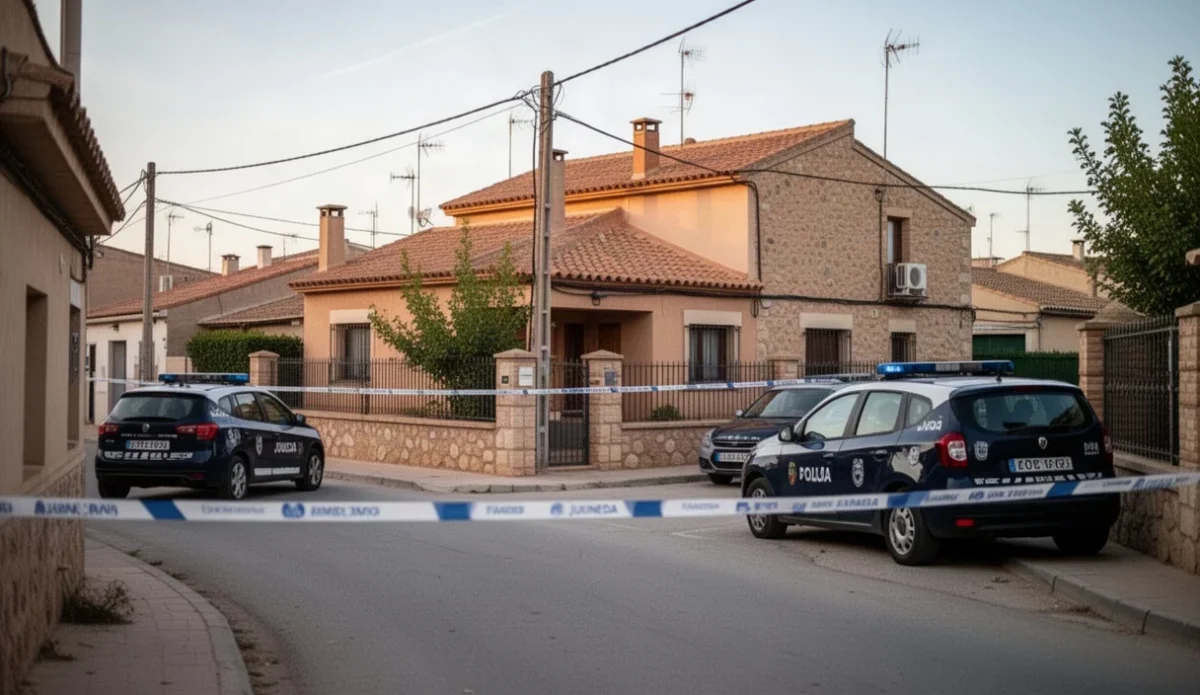
A police investigation in Juneda has led to the arrest of three men connected to a criminal group known for home burglaries. Their swift capture highlights international collaboration against organized crime.
In a significant breakthrough, local police apprehended three individuals suspected of being part of an international burglary ring, the infamous ‘Banda de los Fantasmas’ from Chile. The arrests occurred following a residential robbery in Juneda, Lleida, where the suspects allegedly forced entry into a home and stole valuables.
The investigation was initiated after an alarm was triggered at the residence, prompting immediate action from the Mossos d’Esquadra. Upon arrival, officers discovered signs of forced entry and disarray within the home, indicating that valuable items had been taken. This incident marked just one operation in a series of planned burglaries by this itinerant gang.
According to Rubèn Carrera, head of the Mollerussa investigative unit, at least one of the detained individuals is believed to be affiliated with the notorious Chilean gang known for its high-profile heists across Europe. The suspects were reportedly en route to commit another burglary in Calaf when they were intercepted on August 5.
The police highlighted that this gang operates with remarkable mobility and sophistication. They often rent vehicles in Spain and cross borders into countries like France and Denmark to execute their crimes. This method complicates law enforcement efforts but also underscores the importance of international cooperation among police forces.
“Their ability to quickly regroup and change locations makes them particularly challenging to catch,” said Carrera.
Witnesses played a crucial role in identifying suspicious activity prior to the Juneda robbery. Neighbors reported seeing a vehicle with four individuals loitering around homes shortly before the break-in occurred. This information allowed investigators to trace back rental records associated with that vehicle, revealing patterns consistent with criminal behavior.
The day after the robbery, police observed similar movements by these suspects across various municipalities in central Catalonia. They noted how two members dressed inconspicuously while scouting potential targets as another waited nearby for a quick getaway.
During their arrest near Calaf, authorities seized several items including distinctive clothing meant for disguise post-crime, mobile phones, gloves, and tools typically used for breaking and entering such as large screwdrivers and metal hammers. Additionally, stolen goods like jewelry and luxury watches were recovered during searches.
“We are actively working on connecting these individuals to other unsolved cases,” Carrera added.
This case reflects broader trends seen over recent years where organized crime groups have increasingly crossed borders to evade law enforcement. In fact, similar tactics were employed by gangs operating throughout Europe during previous economic downturns when property crimes surged significantly.
The three detainees have been remanded into custody following their judicial appearance on August 7 as investigations continue into their activities both locally and internationally. Authorities are also collaborating with Chilean officials to verify identities since one suspect provided false documentation at the time of arrest.
As local residents remain vigilant against potential future incidents, they are encouraged to report any suspicious behavior immediately. Community engagement has proven vital in combating such organized crime effectively.

You might also be interested in