
A controversial tribute to the genius of architecture
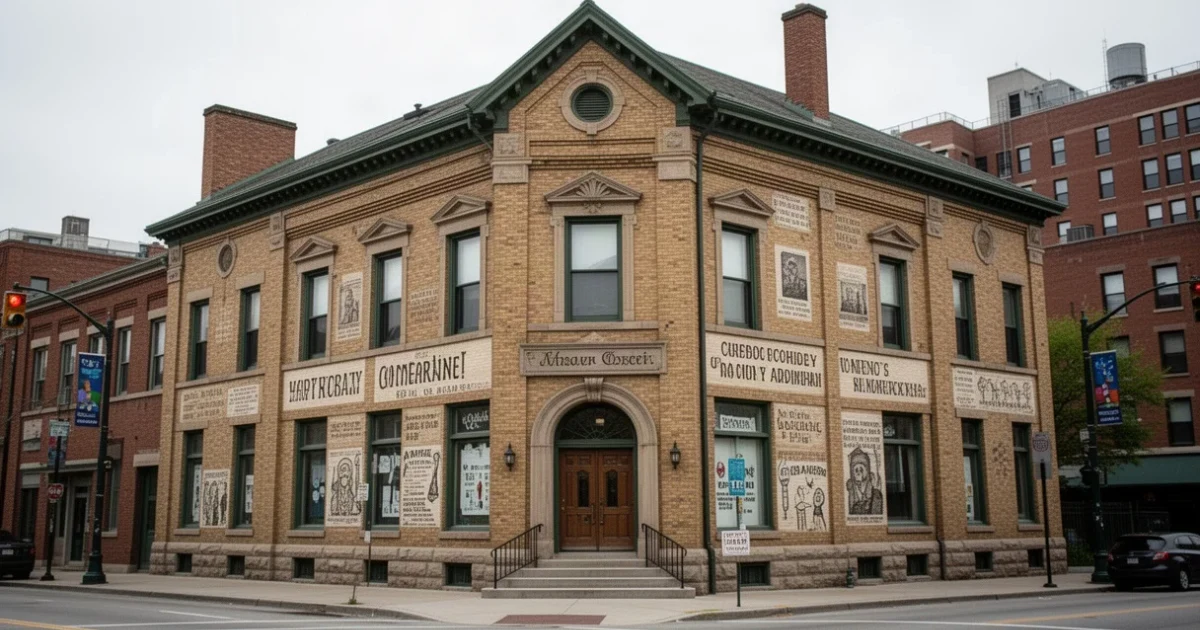
The city of Reus has inaugurated a mural dedicated to Antoni Gaudí, its most illustrious son, at an event that has generated both enthusiasm and controversy. The work, covering almost 140 square metres, is located on the façade of the Sant Joan university residence and was created by the renowned muralist Jonatan Carranza, artistically known as Sojo.
Despite the popular fervour, the mural has faced criticism from the Official College of Architects of Catalonia in Tarragona. Architects have questioned the choice of location for this tribute, arguing that the university residence was designed with criteria of austerity and respect for the surrounding cultural heritage. The façade, built in 1996 by Pau Pérez Jové, is characterised by its monochromatic design that seeks to integrate with the historical environment.
Despite professional objections, many local residents and merchants have welcomed this new tourist attraction with joy. The Mercat Central de Reus, located opposite the mural, hopes to benefit from the increase in visitor flow attracted by this artistic work. Priest Joan de Ribes has also expressed his satisfaction with the initiative, highlighting its potential to culturally enrich the area.
The mural is part of a series of initiatives organised to commemorate the centenary of Gaudí's death. The Associació Amics de Gaudí has worked alongside the Archdiocese of Tarragona and other local entities to carry out this project, which has an approximate budget of 60,000 euros.
Jonatan Carranza has defended his work, arguing that it is not merely an aesthetic addition but seeks to resonate with the spirit of the place. According to him, the chosen colours reflect the grey tones of the classic portrait of the Catalan architect and aim to convey an emotional connection between Gaudí and his hometown.
The debate over this mural highlights the existing tensions between contemporary art and historical heritage. Critics argue that it is essential to preserve the original architectural essence while allowing the plastic arts to coexist without altering the distinctive character of the urban environment. In this sense, many wonder whether Gaudí himself would have approved of this artistic intervention or if he would consider it an undue transformation of his legacy.

You may also like