
A sculpture from 1966 in the Sant Andreu health centre has reignited the discussion about public art from the Franco era. The piece, which depicts a family under the norms of the time, raises questions about its permanence.
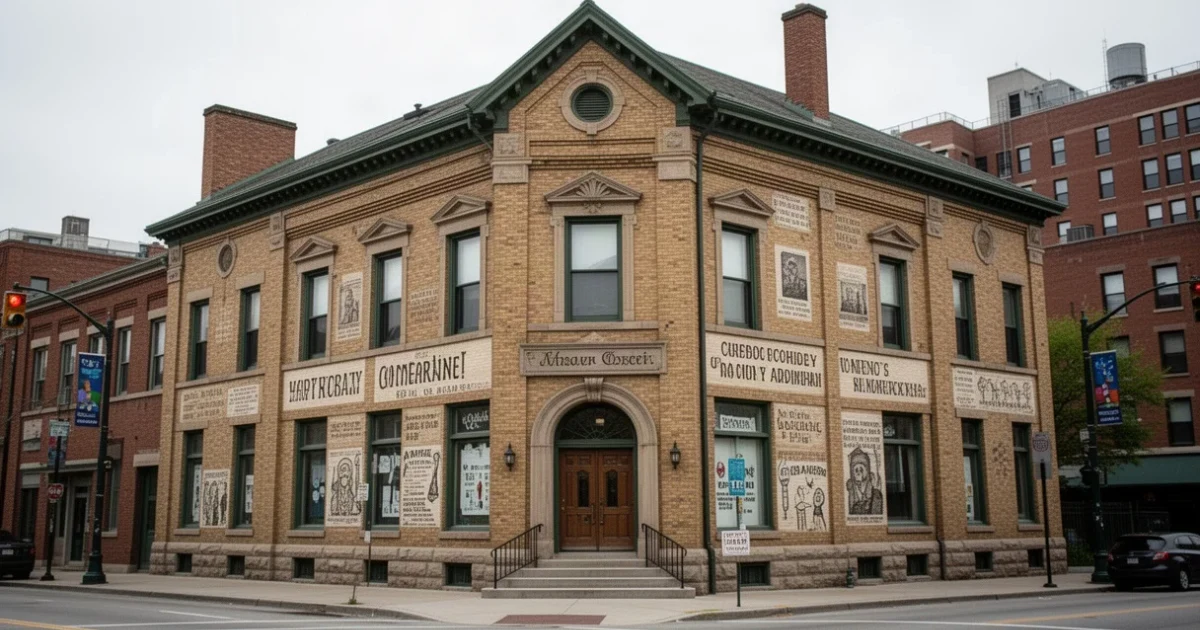
The Sant Andreu health centre, inaugurated in 1968, houses a sculpture that has begun to generate controversy among locals and art experts. This work, titled The Family, was created by Valencian artist Antonio Martínez Penella and reflects the family values promoted during the Franco regime. The sculpture shows a man with a bird in his hand and another on his shoulder, observing a naked woman who is sitting with her head between her knees, symbolising despair. Beside her, another female figure seems to offer comfort.
The presence of this work has sparked an intense debate about whether it should remain or be removed from public space. Some argue that it is important to preserve it as part of historical heritage to remember and reflect on the past, while others believe its symbolism is offensive and does not represent the current values of society.
Nearby the health centre is another relief also created by Martínez Penella, which features a female figure surrounded by children and religious elements. This second sculptural group adds more complexity to the debate about Francoist public art in Barcelona.
Historically, such works have been controversial in various Spanish cities. For example, the removal of the monument to Franco in Madrid generated protests both for and against. In this context, the current situation in Sant Andreu reflects a broader struggle to reconcile the past with contemporary values.
The health centre was built after the burying of the Sant Andreu Arenal railway station under the Meridiana and shares architectural similarities with what was known as the Francisco Franco Residence (now Vall d'Hebron Hospital). This historical link adds another layer to the debate about what to do with public works created during that period.
As this public discussion progresses, community forums are being organised where citizens can express their opinions and debate possible solutions. Interested parties can attend these scheduled meetings at the health centre at the end of next month or participate through digital platforms set up by the City Council.
The final decision regarding the future of these sculptures could set an important precedent for other Spanish cities facing similar dilemmas regarding the artistic legacy of Francoism.

You may also like