The internal basins of Catalonia are at 79.80% of their capacity as of November 26. The five reservoirs of the Ter-Llobregat system are key for supply.
According to El Periódico de Catalunya, the level of the internal basins of Catalonia stood at 79.80% of their capacity on November 26. This figure helps to understand how much water is stored in the territory and how it evolves from day to day.
The reserve has recovered after the drought of 2023 and 2024, according to the monitoring of rainfall in 2025 and 2026. The reservoirs are affected by precipitation, consumption, river contributions, and the management of water resources, so their levels can vary throughout the year.
The reservoir data is published by the Catalan Water Agency (ACA), which allows users to check the percentage of stored water, the available volume, and the evolution of the reserves of each reservoir.
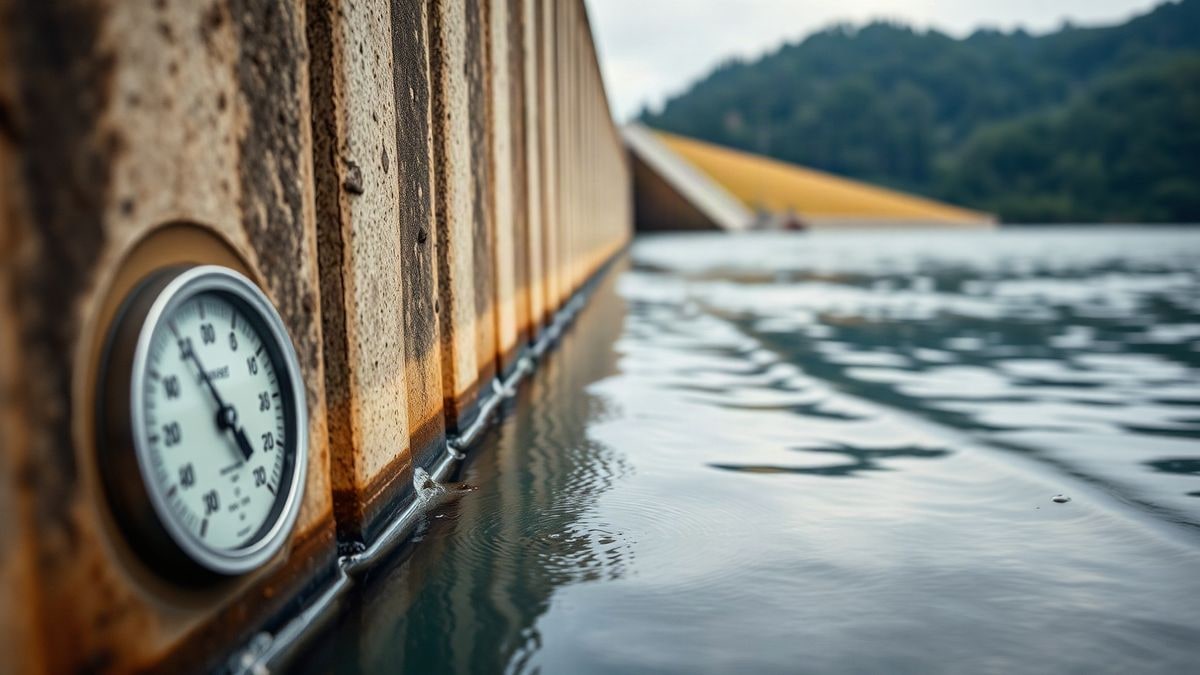
The Ter-Llobregat system is one of the main supply networks in the country, providing water to a significant part of the population in the areas of Barcelona and Girona, as well as other municipalities. It has five main reservoirs: Sau (Vilanova de Sau, Osona), Susqueda (Osor, la Selva), la Baells (Cercs, Berguedà), la Llosa del Cavall (Navès, Solsonès), and Sant Ponç (Clariana de Cardener, Solsonès).
For the neighbour, the joint monitoring of these reservoirs indicates how much water is available for the homes and municipalities that depend on them. Those who wish to check the level of each reservoir can do so on the website of the Catalan Water Agency (ACA).

You may also like