Electricity is that silent guest present in every corner of your home, forgotten until something goes wrong. A short circuit, a skyrocketing bill, or, in the worst case, a fire: domestic electrical problems are among the most common and, paradoxically, among the most avoidable. Understanding how your home's installation works is not just for engineers; it’s a matter of common sense and knowing what questions to ask.
In homes across Barcelona, as in the rest of Spain, there are both modern installations and others that have been functioning for decades with wiring that should have retired long ago. The result is a mix of situations ranging from minor inconveniences to real risks for people and property.
The Domestic Electrical System, Inside
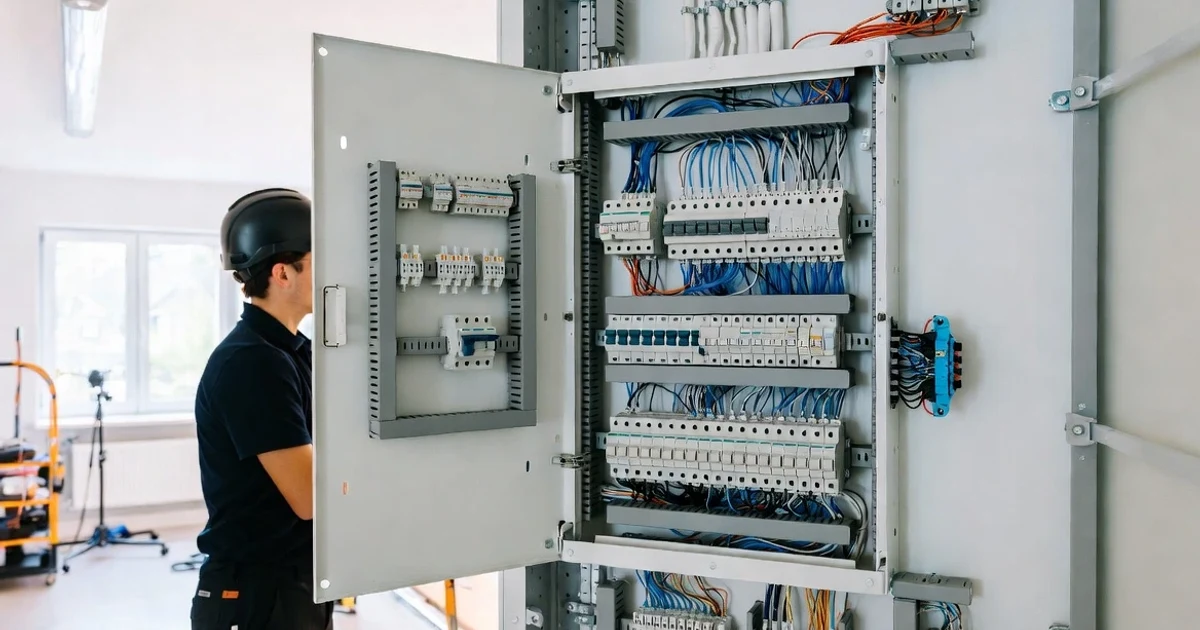
To understand what can go wrong, it’s helpful to know what’s inside the electrical panel. That box you have in the hallway that you only open when the lights go out is not a mystery: it’s the heart of the entire installation.
Inside, you will find, among other elements, circuit breakers, devices designed to cut off the supply when they detect an overload or a short circuit. They are not ordinary fuses: they can be manually reset and are designed to act precisely in response to specific circuit failures. A modern home has several, each assigned to a different circuit: kitchen, bathroom, general lighting, power outlets. When one trips frequently, the signal is clear: something in that circuit is not right, and simply resetting it does not solve the underlying problem.
The quality and proper sizing of the circuit breakers in an electrical panel is one of the factors that most influences the safety of an installation. Not all are the same: there are different nominal intensities and trip curves, and choosing the right one for each circuit is not something that should be left to chance.
When to Check the Electrical Panel
Spanish regulations establish periodic reviews for electrical installations, but in practice, many homeowners do not carry them out until they sell the property or experience a problem. Some symptoms that indicate your installation deserves a visit from a qualified electrician include:
- Breakers that trip regularly without any apparent cause of overload.
- Flickering lights in various parts of the home.
- Heat in outlets or in the panel itself, something that should never happen.
- Installation over 25 or 30 years old without any updates.
- Absence of grounding in bathrooms or kitchens, circuits particularly sensitive to water.
In Barcelona, many buildings constructed between the 1950s and 1980s have installations that were not designed for current electrical demands. An induction cooktop, an electric vehicle charger, or a modern air conditioning system can impose a demand that the original wiring simply cannot handle.
Electric Heating: An Alternative Gaining Ground
One of the most notable changes in residential climate control in recent times is the rise of electric heating systems. Among them, radiant panels have gained prominence in renovations and new builds, especially in apartments where there is no gas installation or where a complete electrification of the home is chosen.
Their operation is based on infrared radiation: instead of heating the air in the room, they directly heat the objects and people in the space. The result is a more uniform feeling of warmth without drafts, something that those with dust allergies or respiratory issues often appreciate.
Advantages and Disadvantages to Consider
Like any system, radiant panels have their pros and cons, and it’s wise to analyse them without being swayed by marketing:
Pros:
- Simple installation: they do not require construction or gas piping. They are installed on the wall and connected to the electrical network.
- No maintenance: they have no moving parts and do not require annual inspections like a boiler.
- Precise control: many models allow for programming by zones and schedules, which is essential to avoid wasting energy.
- Complete silence: they emit no noise, unlike systems with heat pumps or fans.
Cons:
- Electric consumption: they depend entirely on the electricity tariff, which can lead to high costs if not managed well or if the pricing is unfavourable.
- Localized heat: they are more efficient in specific areas than in large homes with complex layouts.
- Need for good insulation: they work better in well-insulated homes. In an apartment with old windows and thermal bridges, the result can be disappointing.
Electrical Renovation, an Investment That Pays Off
One of the most common objections to a complete electrical renovation is the cost. This is understandable: changing the panel, updating the wiring, and adding circuits is not cheap. However, it’s important to put it into context.
A poor installation consumes more energy than necessary. Losses due to resistance in damaged or oversized cables for the actual load are a source of silent expenditure. Moreover, the cost of an electrical incident, whether in repairs, insurance, or, in the worst-case scenario, damage to the structure of the property, far exceeds what a preventive review would have cost.
In Barcelona, community residents also have responsibilities regarding the installation of common elements: elevators, communal areas, garages. Regulations require maintaining these systems in good condition, and property managers are increasingly attentive to this point following some high-profile accidents due to poorly maintained installations.
What to Consider Before Hiring an Electrician
Not everyone who claims to be an electrician has the necessary qualifications to carry out installations that must then pass inspection by the competent authority. In Spain, electrical installers must be registered in the Low Voltage Installation Companies Registry of the corresponding autonomous community.
Before finalising a quote:
- Request at least two or three detailed quotes, not generic estimates.
- Verify the registration number of the installer or the company.
- Demand the electrical installation certificate upon completion of the work, an essential document to legalise the installation with the distributor.
- Ask about the materials to be used: the difference between a quality component and one of dubious import can be noticeable in the short term.
Efficiency and Safety, Two Sides of the Same Coin
The debate about electricity in the home often boils down to the electricity bill, but there is a dimension that matters equally or more: safety. Each year, the firefighters of Barcelona respond to dozens of fires caused by faulty electrical installations or the improper use of devices connected to them.
A well-sized electrical panel, with the right breakers and a reviewed installation, not only protects appliances: it protects lives. And in a city where many buildings have gone decades without a thorough review of their internal installations, awareness of this issue should not be optional.
The electrification of the home, with heating systems, electric vehicle charging, or photovoltaic generation, is an unstoppable trend. But for it to work well, it needs to be supported by a solid electrical foundation. Starting there, even if it’s not the most visible part of a renovation, is probably the smartest decision you can make.

Trending on the web

You may also like