The home is much more than a place to rest. It is a space where we share moments with family, receive guests, and develop a large part of our daily lives. Therefore, achieving a functional, comfortable, and pleasant home has become a priority for many people.
It is not always necessary to carry out major renovations or invest in a complete makeover; sometimes, it is enough to choose the right furniture, reorganise the layout, and pay attention to small decorative details to achieve a different result.
The key is to find the balance between aesthetics and practicality. Each room should meet the needs of those who live in it, without sacrificing a decor that conveys personality. From the living room to the kitchen, through the bedroom or the garden, there are numerous possibilities to improve space utilisation and create environments that invite enjoyment of the home.
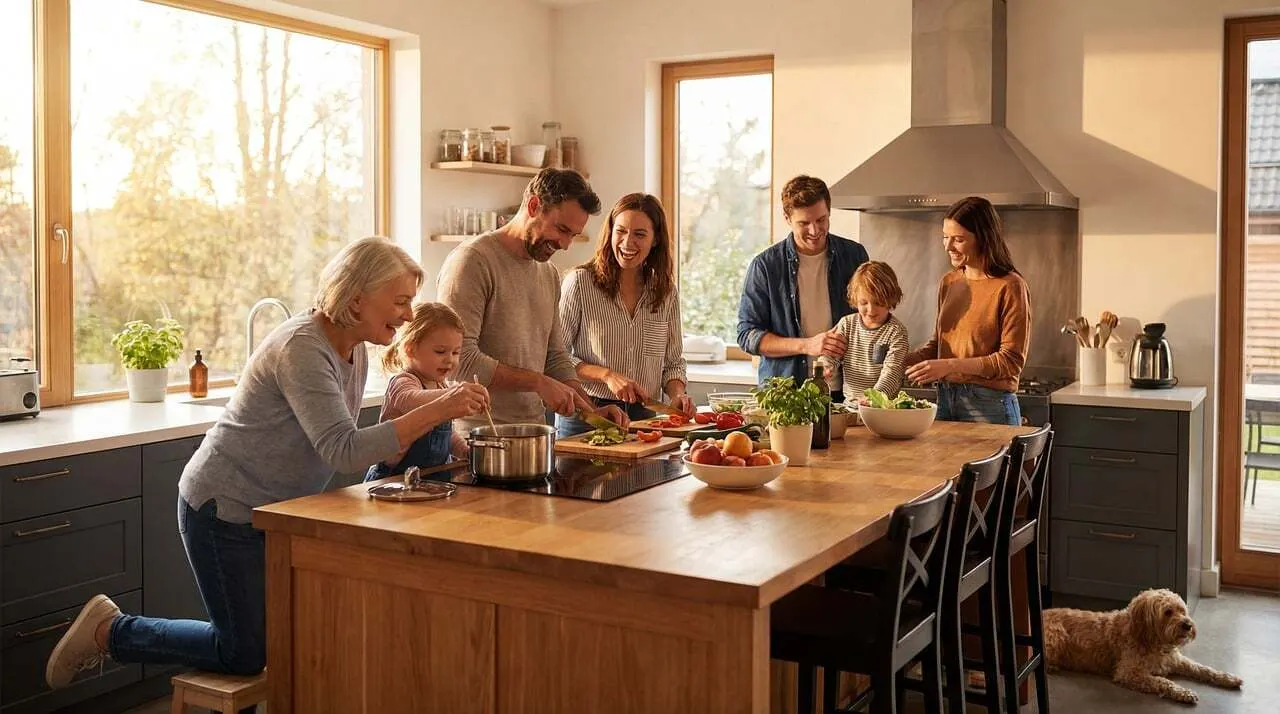
One of the solutions that has gained popularity is incorporating a central island. This element can serve as an additional surface for food preparation, a storage area, or an informal eating space. In kitchens open to the living room, it also helps to visually delineate the areas without the need to erect walls.
Before choosing an island, it is advisable to analyse the dimensions of the room and ensure there is enough space to move around comfortably. It is also important to assess storage needs, the number of people who regularly use the kitchen, and the possibility of integrating stools to create a small breakfast area.
Those considering renovating this part of the home can find inspiration in different models of kitchen islands, with alternatives that allow adapting the furniture to different layouts and decorative styles. The right choice can improve both the organisation and functionality of one of the most used areas of the house.
To achieve this, it is advisable to start with the main elements. The sofa, coffee table, and storage furniture largely determine the layout, so it is recommended to choose them considering the dimensions of the room. An overly large sofa can reduce the sense of spaciousness, while a small one may not be sufficient for a large family.
It is also interesting to play with textiles, lighting, and decorative accessories. Rugs help to delineate areas, curtains add warmth, and lamps allow for different atmospheres depending on the time of day. Cushions, throws, and paintings add personality without the need to change all the furniture.
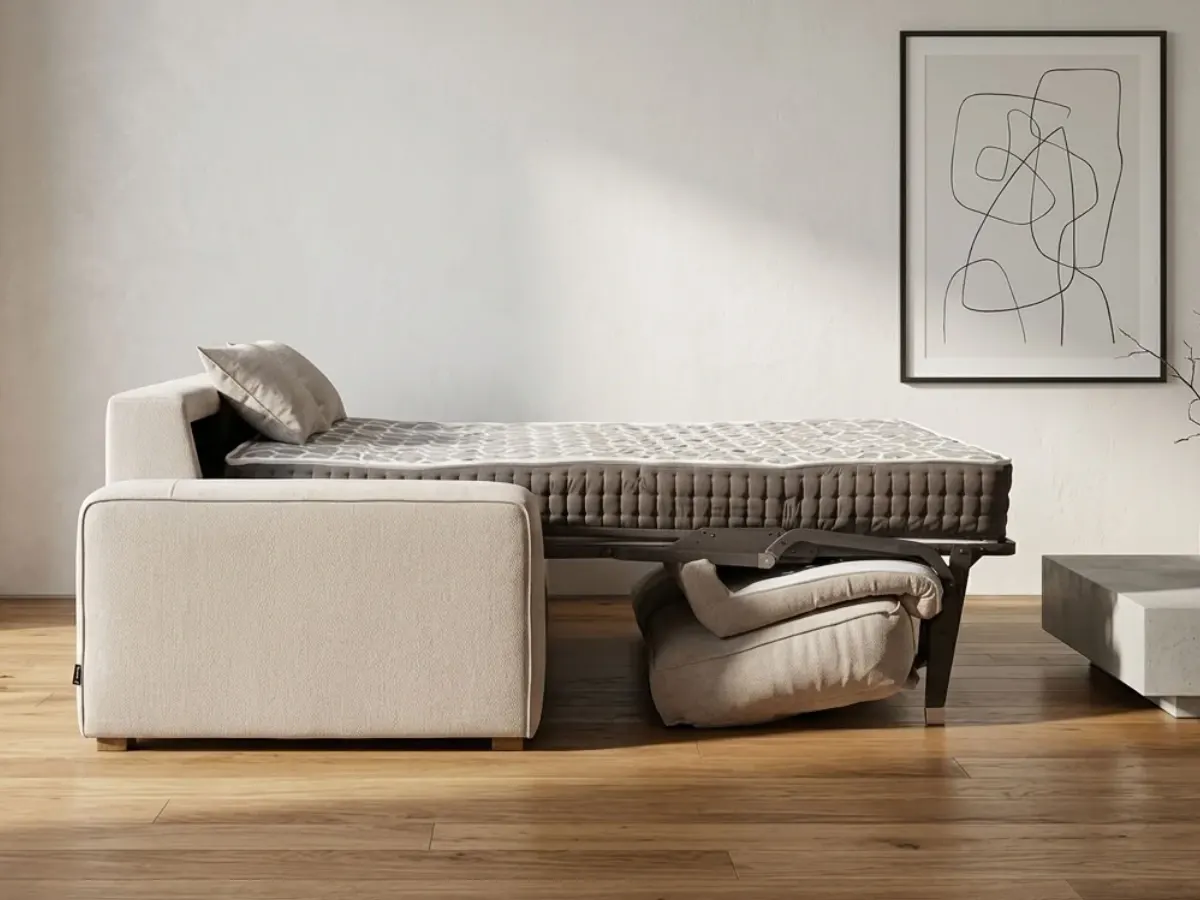
When space allows, incorporating a chaise longue can be an interesting alternative to expand relaxation options and add a decorative element with character. This type of seating allows for the creation of a reading nook, completing a sitting area, or providing an additional place to relax.
The bed is the starting point, but it is not the only important element. Nightstands, wardrobes, and storage solutions should adapt to the available space and the needs of each person. In small rooms, compact furniture and solutions that utilise wall height can help free up usable surface area.
The choice of colours also influences the perception of the environment. Neutral and soft tones usually work well as a base, although they can be combined with more intense colours in textiles or certain accessories to add personality.
During the day, making the most of windows helps create bright and visually spacious areas. For times with less natural light, combining general lighting with task lamps allows for adapting the atmosphere to different activities. In the living room, for example, it can be useful to have a brighter light for reading and a warmer one for relaxing.
As for materials, wood adds warmth and pairs well with natural fabrics, while metal and glass can introduce a more contemporary look. Plant fibres, on the other hand, work especially well in Mediterranean-inspired environments.
It is not necessary to strictly follow a single decorative style. Mixing modern elements with traditional pieces can lead to personal spaces, as long as there is some coherence in colours, proportions, and finishes.
A better-organised kitchen, a more comfortable living room, or a bedroom with greater storage capacity can transform daily experiences without the need for large investments. What matters is to evaluate how each room is used and choose furniture and accessories that meet those needs.
It is also advisable to think long-term; investing in versatile pieces, durable materials, and designs that do not rely solely on a passing trend can facilitate future modifications and extend the lifespan of the furniture.
In summary, creating a functional and cozy home is a process that combines planning, comfort, and personality. With an appropriate layout, good lighting, and thoughtfully chosen furniture, any home can become a more practical and pleasant space, ready to accompany the routines and special moments of its inhabitants.
The key is to find the balance between aesthetics and practicality. Each room should meet the needs of those who live in it, without sacrificing a decor that conveys personality. From the living room to the kitchen, through the bedroom or the garden, there are numerous possibilities to improve space utilisation and create environments that invite enjoyment of the home.
The Kitchen, a Space for Sharing
The kitchen has taken on a special prominence in today's homes. In addition to being the place where meals are prepared, in many homes it has become a meeting point for breakfast, conversation, or sharing time while cooking. For this reason, its layout is fundamental to achieving a comfortable space and making the most of every available metre.One of the solutions that has gained popularity is incorporating a central island. This element can serve as an additional surface for food preparation, a storage area, or an informal eating space. In kitchens open to the living room, it also helps to visually delineate the areas without the need to erect walls.
Before choosing an island, it is advisable to analyse the dimensions of the room and ensure there is enough space to move around comfortably. It is also important to assess storage needs, the number of people who regularly use the kitchen, and the possibility of integrating stools to create a small breakfast area.
Those considering renovating this part of the home can find inspiration in different models of kitchen islands, with alternatives that allow adapting the furniture to different layouts and decorative styles. The right choice can improve both the organisation and functionality of one of the most used areas of the house.
The Living Room, Comfort and Personality
The living room is often the centre of domestic life. Many daily activities take place here, from resting after a workday to enjoying a movie or hosting family and friends. Therefore, its decor should serve a clear purpose: to create a welcoming atmosphere without hindering movement or overcrowding the space.To achieve this, it is advisable to start with the main elements. The sofa, coffee table, and storage furniture largely determine the layout, so it is recommended to choose them considering the dimensions of the room. An overly large sofa can reduce the sense of spaciousness, while a small one may not be sufficient for a large family.
It is also interesting to play with textiles, lighting, and decorative accessories. Rugs help to delineate areas, curtains add warmth, and lamps allow for different atmospheres depending on the time of day. Cushions, throws, and paintings add personality without the need to change all the furniture.
When space allows, incorporating a chaise longue can be an interesting alternative to expand relaxation options and add a decorative element with character. This type of seating allows for the creation of a reading nook, completing a sitting area, or providing an additional place to relax.
Bedrooms Designed for Rest
The bedroom should convey tranquility. As a space primarily intended for rest, it is advisable to avoid excess elements and opt for an organisation that facilitates order.The bed is the starting point, but it is not the only important element. Nightstands, wardrobes, and storage solutions should adapt to the available space and the needs of each person. In small rooms, compact furniture and solutions that utilise wall height can help free up usable surface area.
The choice of colours also influences the perception of the environment. Neutral and soft tones usually work well as a base, although they can be combined with more intense colours in textiles or certain accessories to add personality.
Lighting and Materials to Create Pleasant Environments
Lighting and materials play an essential role in decoration. A room can change considerably depending on the light temperature, the presence of different textures, or the combination of surfaces.During the day, making the most of windows helps create bright and visually spacious areas. For times with less natural light, combining general lighting with task lamps allows for adapting the atmosphere to different activities. In the living room, for example, it can be useful to have a brighter light for reading and a warmer one for relaxing.
As for materials, wood adds warmth and pairs well with natural fabrics, while metal and glass can introduce a more contemporary look. Plant fibres, on the other hand, work especially well in Mediterranean-inspired environments.
It is not necessary to strictly follow a single decorative style. Mixing modern elements with traditional pieces can lead to personal spaces, as long as there is some coherence in colours, proportions, and finishes.
A Home Adapted to Every Lifestyle
Improving a home does not necessarily mean changing everything. Often, the most satisfying results are achieved by identifying the real needs of those who live in it and making progressive decisions.A better-organised kitchen, a more comfortable living room, or a bedroom with greater storage capacity can transform daily experiences without the need for large investments. What matters is to evaluate how each room is used and choose furniture and accessories that meet those needs.
It is also advisable to think long-term; investing in versatile pieces, durable materials, and designs that do not rely solely on a passing trend can facilitate future modifications and extend the lifespan of the furniture.
In summary, creating a functional and cozy home is a process that combines planning, comfort, and personality. With an appropriate layout, good lighting, and thoughtfully chosen furniture, any home can become a more practical and pleasant space, ready to accompany the routines and special moments of its inhabitants.

Trending on the web

You may also like