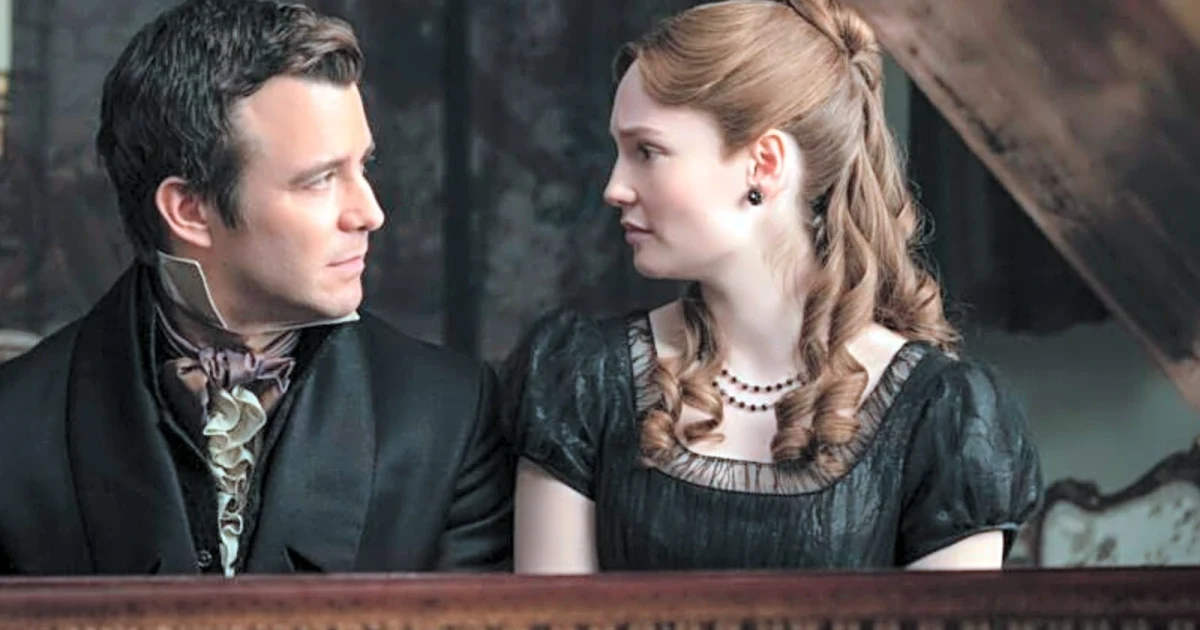

The Romanian journalist based in Sant Julià de Ramis faces the possible return of her husband after nearly a decade of trips to Belgium. Her daughters, Magalí and María, have grown up with their father at a distance.
The life of Marcela Topor (Vaslui, Romania, 1976) was split in two nine years ago. Her husband, Carles Puigdemont, left Spain in 2017 and since then she has maintained a routine of trips to Belgium so that her daughters could see their father, according to La Razón.
The journalist resides in Sant Julià de Ramis (Girona) with Magalí, 18, and María, 16. The decision not to move the girls to Waterloo was deliberate: educating them in another language would have caused, in the family's view, a greater trauma than the periodic visits to the country.
Topor has worked since 2006 as an editor for Catalonia Today, the English-language newspaper about Catalan affairs founded by Puigdemont himself. Additionally, she presents the weekly programme The Weekly Mag on the local television network La Xarxa. This professional activity has been, during her years of waiting, the main support of her daily life.
Born in a town of about 55,000 inhabitants, she considers herself a native of Iasi, the former capital of Moldova, where she moved at 18 to graduate in English and French Philology. From there, she headed to Girona with the Romanian company Ludic Student Theatre to perform “The King Is Dying” by Eugène Ionesco at a cultural festival. It was 1998. Puigdemont, who was involved in organising the event, noticed her and their relationship continued in Paris. They married in 2000 in a civil ceremony and held a second ceremony in Romania according to Orthodox rites.
In one of her rare interviews, granted to the Catalan digital outlet Vilaweb, Topor drew a parallel between her biography and that of her husband: he was of a similar age when Franco died to the age she was when Ceaușescu fell. Regarding October 1, 2017, when the Police and Civil Guard intervened against the ballot boxes, she said it reminded her of the repression of the Romanian dictator and that her “frameworks broke.”
“I feel Catalan and I feel Catalonia as my home, but I try to preserve my identity. I speak Romanian with my daughters and I try to maintain the tradition at Christmas, Easter, and San Juan. You feel that you will never be 100% from here and, when I return to Romania, I am not from there 100% either.”
She expressed this in a conversation with Pilar Rahola broadcast by TV3 in 2018. Along these lines, the journalist has maintained a low profile: she avoids public events of the independence movement and rarely gives interviews. Her heart, as she herself has acknowledged, is divided between Catalonia and Romania, and between her home in Girona and Belgium.
The possible return of Puigdemont, which reports suggest could legally cross the border in November, coinciding with the campaign for the general elections, would restore to the family a coexistence interrupted for nearly a decade. For the neighbours of Sant Julià de Ramis, where the family resides, the outcome of this stage will depend on the judicial and political movements in the coming weeks.

Trending on the web
You may also like