The Generalitat is promoting a reform of the Penal Code to toughen penalties for possession and display of firearms. The measure responds to the increase in shootings in Catalonia, which have risen by 45% in the first half of 2026.
The Catalan Parliament has approved a bill to reform the Penal Code and increase penalties for illegal possession and display of firearms. The initiative, driven by the Generalitat led by Salvador Illa, will be sent to the Congress of Deputies. According to abc.es, the trigger was the shooting execution of an individual outside a National Police station during the Pope's visit to Barcelona in June.
The data is compelling: only in the first half of 2026, 69 shootings have been recorded in Catalonia, a 45% increase compared to the same period in 2025. The latest occurred in Tarrasa, where two civil guards were seriously injured after being attacked by a group of criminals with a history of property crimes.
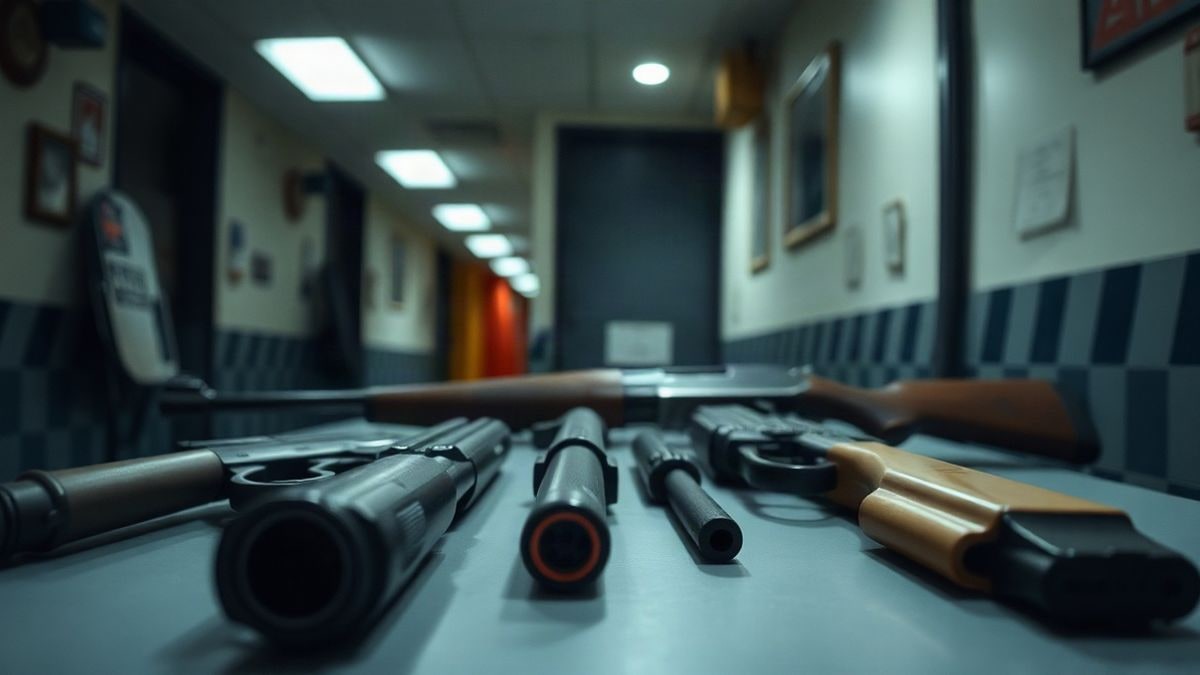
In these six months, the Mossos d'Esquadra have seized 179 firearms. Six out of ten are handguns, but there are also rifles and military weapons. In May, on the AP-7 motorway, a vehicle was intercepted with a dozen AK-47 submachine guns in the boot. Additionally, seven shootings resulting in murder have occurred, including that of a 15-year-old minor.
The government's proposal aims to align Spanish penalties with those of other European countries to curb the "pull factor" of organised crime and eliminate the feeling of impunity. Among the objectives is to ensure imprisonment for those who display or carry a weapon without a license.
The chief prosecutor of Catalonia, Francisco Bañeres, supported the initiative during the opening of the judicial year and described the proliferation of weapons, including knives, on the streets as an "invasion."
"We export marijuana and import organised crime," warned a Mossos commander some time ago.
The new police chief, Ferran López, also backed the reform in an informational meeting. The proposed penalties are: for possession of prohibited weapons, from two to four years in prison (currently one to three); for unlicensed firearms, from 18 months to three years if they are handguns, and from six months to a year and a half if they are rifles. The mitigating factor for those who, despite displaying a weapon in public, can prove they did not intend to use it would also be eliminated.
Police officials acknowledge that in other territories, such as Marseille, the toughening of penalties has not reduced crime, but they are hopeful that the reform will have a deterrent effect. The director of the Anti-Fraud Office of Catalonia, Josep Tomàs Salàs, warned this week of the risk of corruption associated with organised crime: "they exploit institutional vulnerabilities" to consolidate their interests. According to Europol, more than 80% of the most dangerous networks in the EU use legal business structures to launder profits.
Drug trafficking is the main avenue, linked to arms trafficking. Drug traffickers protect cocaine shipments and marijuana plantations, and the sale of military weapons has proliferated through encrypted messaging and the dark web. A few weeks ago, the National Police dismantled in Gerona the largest clandestine weapons depot and workshop located to date: the Javelin operation resulted in 644 weapons seized from a storage room in Figueras, modified by an expert gunsmith with experience in the Russian army.
The interconnection between drug trafficking and arms is already a hybrid threat: they share routes and logistics, and exchange goods. A recent operation coordinated by Europol dismantled a Turkish network that obtained weapons in its country and the Western Balkans and distributed them across Europe hidden in vehicles; in Spain, they were used as currency in drug transactions.
The bill from the Parliament will now be processed in Congress. If successful, judges will be able to impose higher penalties and it will become more difficult to release those who carry weapons illegally, a change that will directly affect security on the streets of Catalan municipalities.

Trending on the web

You may also like