There is something curious in the world of cannabidiol: almost no one first talks about its relaxing properties, but rather about how it smells. You enter any specialised shop, open a jar, and the first thing people do is bring it to their nose, close their eyes, and put on a face as if they are smelling something forbidden. Spoiler: it’s not. The CBD flowers from Iberohemp (click to see more), for example, are precisely one of those products where the sense of smell takes precedence over anything else.
The resurgence of a plant with a rich history
Hemp has been accompanying humanity for thousands of years, although for decades it was sidelined due to the confusion (quite interested, it must be said) between THC cannabis and its legal low-THC relatives. CBD flowers are basically the inflorescence of hemp varieties selected to contain minimal levels of THC and higher concentrations of cannabidiol, the non-psychoactive compound that generates so much interest in the wellness field.
What has changed in recent times is not so much the plant itself but the social perception surrounding it. It is no longer viewed with suspicion, but with curiosity, and this has opened the door to a market that is growing at a pace that even its own promoters did not expect.
Why aroma has become the protagonist
This is where the more sensory aspect comes into play. The smell of a CBD flower is not a coincidence or marketing: it responds to very specific chemistry. Each variety emits its own aromatic profile, ranging from citrus and fresh notes to earthy, sweet, or even slightly spicy tones. This diversity is what literally hooks people on an olfactory level.
What differentiates one CBD flower from another
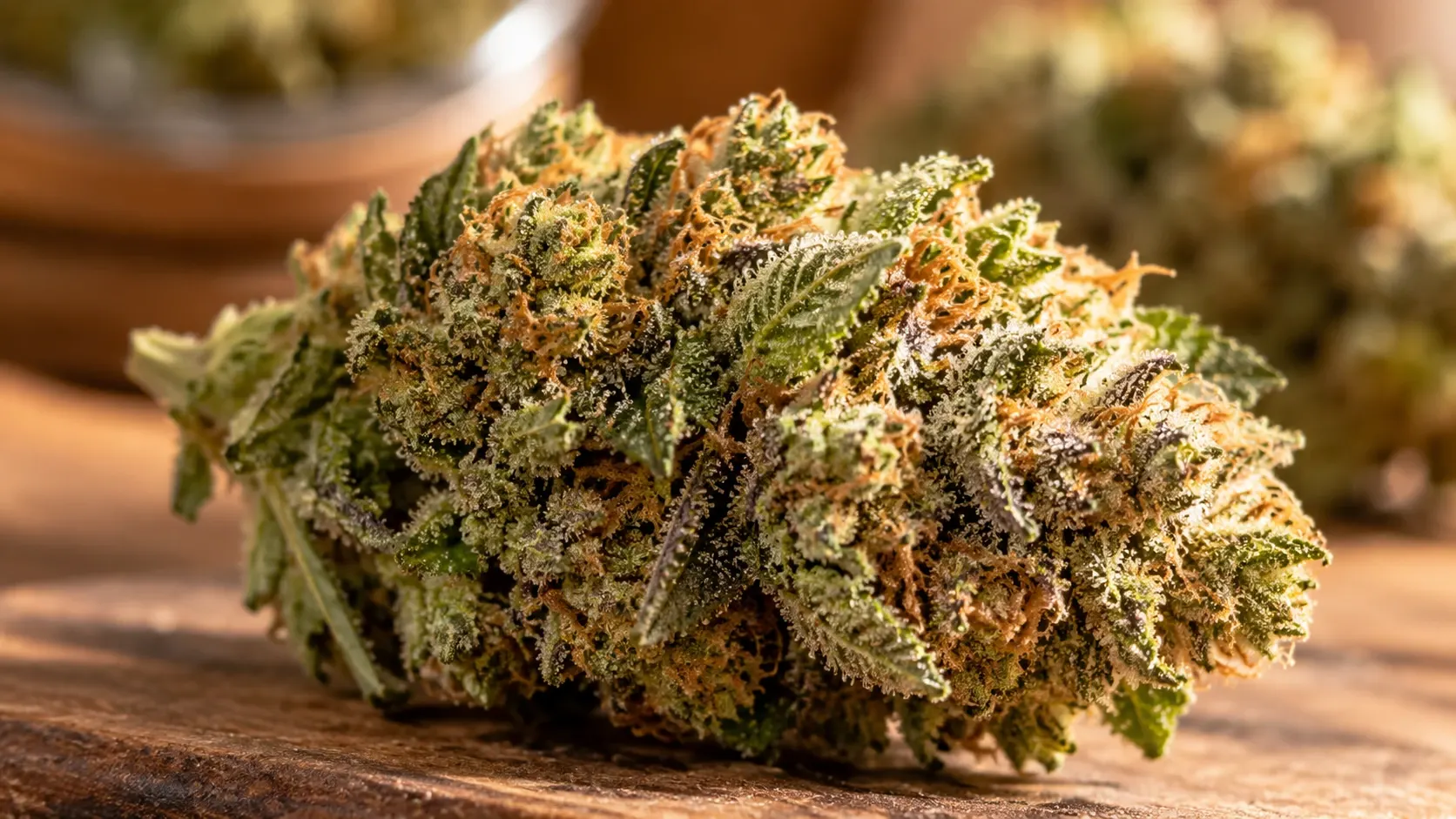
Not all flowers are the same, even if they may seem so at first glance. The plant's genetics, the type of cultivation, the drying and curing process, and even the ambient humidity during storage directly influence the final result. A poorly cured flower may smell like wet hay (not glamorous at all), while a well-crafted one retains nuances reminiscent of pine, lavender, or orange peel.
Terpenes, the true architects of aroma
The ones responsible for this aromatic magic have a name: terpenes. They are volatile organic compounds also present in fruits, herbs, and common flowers, and they give each variety its recognisable character. Myrcene adds earthy and slightly sweet notes, limonene brings that fresh citrus touch, and pinene inevitably reminds one of a forest after rain. The exact combination of terpenes is what makes each flower a distinct sensory experience, almost as if each variety has its own olfactory signature.
A market growing faster than expectations
The interest in these types of products has not stopped increasing, and not just out of fleeting curiosity. More and more people are seeking natural alternatives within their wellness routines, and CBD flowers have entered that conversation with their own strength. Specialised platforms like Iberohemp.com have contributed to normalising access to selected varieties, with traceability and quality controls that were previously hard to find in a still young sector.
How to choose a quality flower without getting lost in the process
For those approaching this world for the first time, the variety can be overwhelming. A good starting point is to focus on three basic details: the visual appearance (vivid colours, well-defined trichomes), the aroma (intense but balanced, without mouldy notes), and the available information about laboratory analysis, which should clearly indicate the levels of CBD and THC.
You don’t need to be an expert in botany to notice the difference between a well-cared-for flower and one that has gone through less rigorous processes. The sense of smell, once again, is often the first detector of quality, long before reading any label.
The popularity of CBD flowers has, at its core, a rather simple explanation: they combine curiosity about the natural with a sensory experience that leaves no one indifferent. And if there’s one thing we’ve learned on this journey, it’s that in this sector, the nose almost never lies.

You may also like