The former Bank of Spain in Tarragona will be transformed into a Parador hotel, with renovations set to begin after the city council transfers ownership to the Ministry of Industry and Tourism.
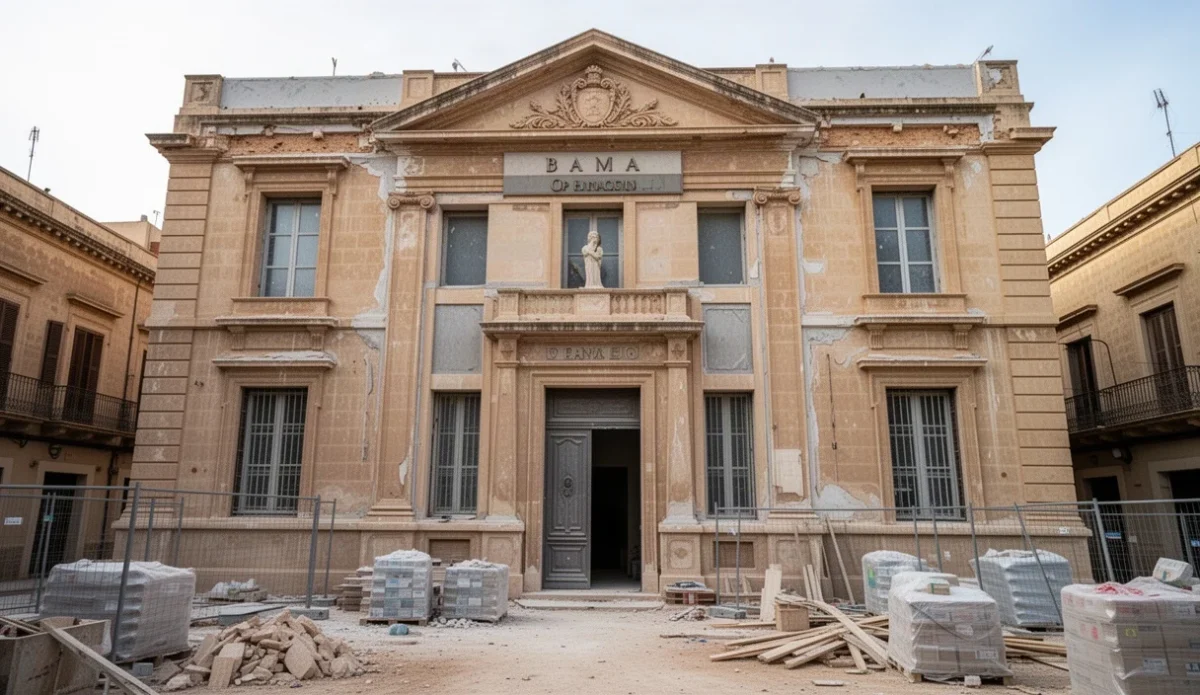
The transformation of Tarragona’s historic Bank of Spain building into a luxury hotel is officially underway, with plans for completion by 2030. After being closed for over two decades, the iconic structure will soon welcome guests as a Parador, following a decision by the city council to transfer ownership to the Ministry of Industry and Tourism. This move marks a significant step towards revitalizing an important piece of local heritage that has languished since its closure in 2003.
The building, which served as the Bank of Spain from 1929 until its closure in 2003, has suffered from neglect and vandalism over the years. However, it retains much of its original architecture and charm. The renovation plan includes maintaining its historical essence while adding modern amenities. The state will cover an estimated 20 million euros for the renovation costs.
Tarragona’s mayor, Rubén Viñuales, expressed enthusiasm about this development: “The Parador in Tarragona was one of those dreams that our city had. It was essential for us to have such an establishment given our status as a UNESCO World Heritage site.” The new hotel will feature 59 rooms, accommodating up to 118 guests, along with an additional building spanning approximately 4,000 square meters dedicated to services like dining and leisure.
The project aims not only to restore a historical landmark but also to enhance Tarragona’s appeal as a destination for high-end tourism. Viñuales emphasized that having a Parador would attract affluent visitors seeking quality accommodations while generating jobs and economic growth in the area.
The site’s current condition is stark; it is filled with debris and signs of decay. Inside, remnants from its banking days remain visible—old counters and abandoned safes tell stories of past operations. The director’s office is one of the better-preserved areas, soon to be converted into one of the hotel’s guest rooms.
Despite concerns raised by opposition parties regarding necessary planning approvals for such renovations, municipal officials assert that existing reports indicate no need for additional permits or special plans. This assertion aims to streamline progress on what many view as a crucial project for both cultural preservation and economic development.
This initiative follows similar successful transformations across Spain where historic buildings have been repurposed into luxurious accommodations without compromising their architectural integrity. For example, several former banks in Madrid have been converted into boutique hotels that celebrate their rich histories while providing modern hospitality services.
The anticipated completion date for this ambitious project is set for 2030. As preparations begin, residents are encouraged to stay informed about developments through local news outlets or municipal announcements regarding construction timelines and potential disruptions.
This redevelopment not only promises enhanced tourism opportunities but also positions Tarragona more prominently on Spain’s cultural map—a vital step towards attracting visitors interested in both history and gastronomy.

You might also be interested in