
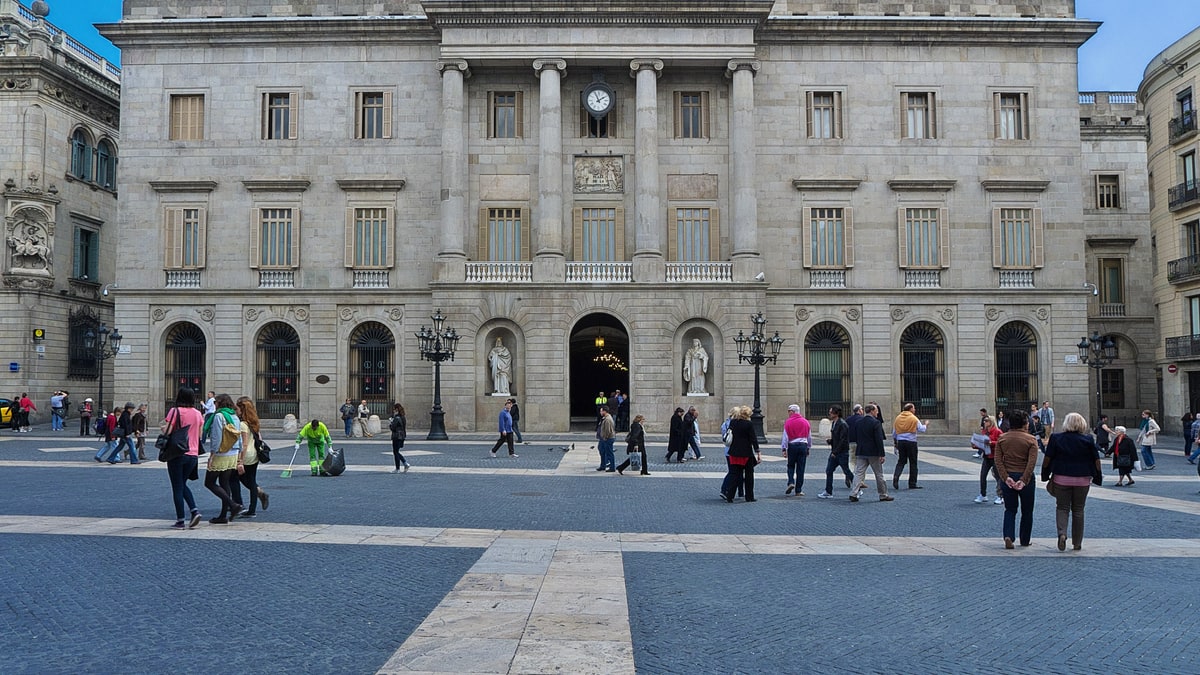
The council approved the company to regenerate the Besòs neighbourhoods, with 415 million over ten years. Junts, BComú and ERC voted in favour, while PP and Vox abstained.
The Barcelona City Council approved in its October plenary session the creation of the Impulsem Futur Besòs-Maresme company, co-owned by the council and the Generalitat, to promote urban regeneration in the Besòs neighbourhoods. The session lasted until 10 PM and had been postponed from Friday the 30th following the train accident in Urda, Toledo.
The company has the support of Junts, BComú, and ERC, with abstentions from PP and Vox. After the Joint Commission between the Government and the City Council held in May, Mayor Jaume Collboni announced that the company would allow an investment of 415 million euros over the next 10 years to rehabilitate the housing stock in the area.
The First Deputy Mayor, Laia Bonet, stated that the Besòs needs a change of scale in its regeneration and highlighted the broad political consensus achieved.
“A leap in scale” for the neighbourhood, according to the First Deputy Mayor
The councillor from Junts, Damià Calvet, supported the creation of the company after years of “missed deadlines and delays.” The councillor from BComú, Tània Corrons, reminded that the city has owed a debt to the Besòs since the sixties.
From the PP, Víctor Martí considers the ten years planned to rehabilitate ageing flats to be “excessive.” This is the only significant objection raised by the opposition regarding the project’s timeline.
On housing matters, BComú urged the municipal government to purchase five buildings threatened by speculation: 14 Sant Agustí Street, 41 Concordia Street, 153 Ramon Turró, the Papallona block, and 156 Travessera de Gràcia. The plenary approved the second proposal from the group, which demands a quarterly report on actions against speculative housing purchases.
The government accepted as a request the second part of the proposal, which calls for support for the approval of the Catalan law to prohibit such purchases. With this, the city commits to presenting these reports periodically.
Security was another major issue in the plenary. PP, Junts, and Vox voted in favour of censuring Collboni and the Minister of Interior, Núria Parlon, for the inadequacy of preventive measures against disturbances. The proposal did not pass due to opposition from PSC, BComú, and ERC.
The leader of the PP, Daniel Sirera, questioned the government's actions during the looting on October 24th and demanded the resignation of the mayor and the minister.
“If they could deploy a device this Saturday, why didn’t they do it a week earlier?”
From Vox, Liberto Senderos spoke of “street terrorism” in Barcelona and claimed there was a lack of political will to prevent it.
Finally, the plenary validated the “shock plan” for the Vila Olímpica promoted by Junts. The proposal aims to recover the shopping centre Centre de la Vila, rehouse homeless individuals, enhance cleaning and maintenance, and increase police presence in the neighbourhood.

Trending on the web

You may also like