
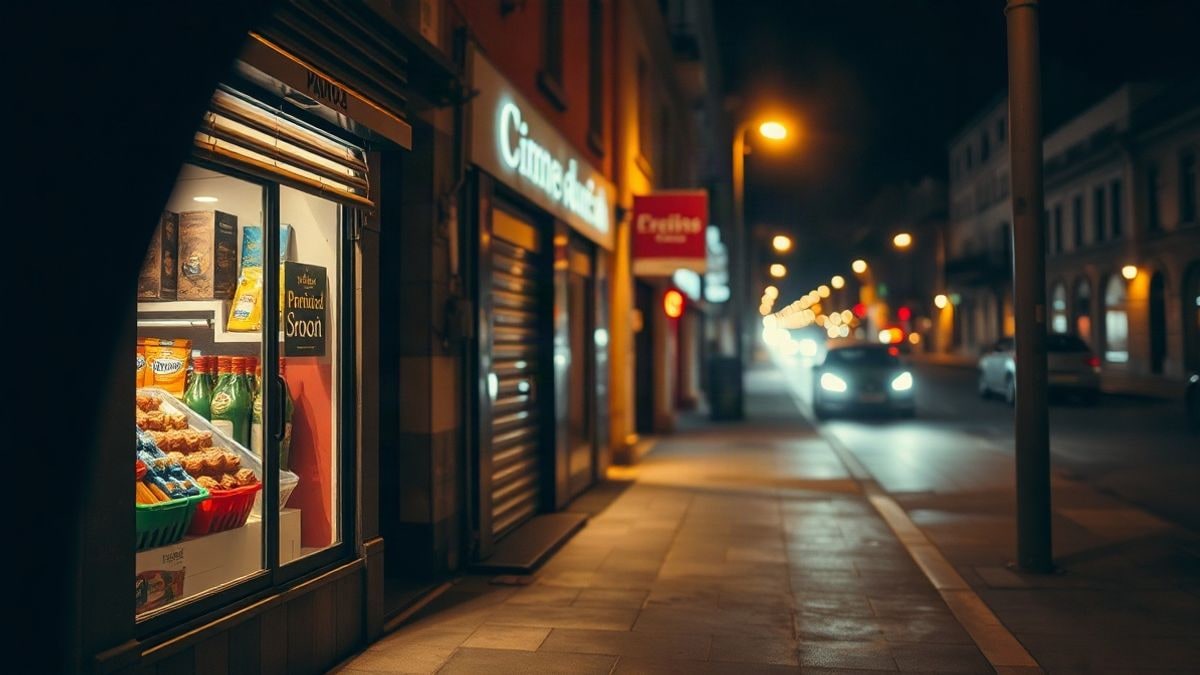
The Mayor of Barcelona, Jaume Collboni, plans to open the first affordable food store in La Marina in 2027, in a municipal space managed by a non-profit organisation. The initiative is inspired by New York Mayor Zohran Mamdani, who has popularised the concept of affordability.
The Barcelona City Council has launched the affordable shops project that Mayor Jaume Collboni presented as one of his commitments for this term. The first shop will open in 2027 in the La Marina neighbourhood, in a municipal property that will be managed by a non-profit entity. The aim is to offer food and basic products at lower prices than those in the market.
The idea is not original. Collboni has imported it from the experience of New York Mayor Zohran Mamdani, who has held the position since January 2026 and has made "affordability" his political banner. Among the achievements Mamdani has publicised the most is the repair of 100,000 potholes in his first hundred days in office.
The concept of affordability has also guided electoral campaigns in Europe. In Berlin, the candidate from Die Linke, Elif Eralp, focused her programme on housing and achieved a good result. The translation of those proposals into daily management is now the litmus test for their promoters.
The word affordability designates a real need: that incomes allow for the payment of essentials. The problem, according to experts, arises when the label replaces the diagnosis. In the case of food and housing, prices are too high in relation to household incomes, but the causes are not identical and require different responses.
In food and basic goods, accumulated inflation, insufficient wages, and the tax burden play a role. According to the OECD, the tax wedge in Spain for a single worker, without children and on a medium salary, rose from 39.8% of labour costs in 2019 to 41.4% in 2025, an increase of 1.6 points. The average for the organisation was 35.1% in 2025. The tax wedge includes income tax and contributions from both the worker and the employer, and measures the gap between the cost of hiring someone and what ultimately reaches their pocket.
For those who barely pay income tax, a nominal reduction is of little use. They need accessible transfers that are compatible with employment, which do not get lost among confusing requirements, slow procedures, and successive windows.
In housing, one of the fundamental causes is the insufficient production of protected housing. The government must promote and finance a massive, sustained, and coordinated effort; autonomous communities and municipalities must provide land, management, and execution capacity. Procedures that prolong construction must also be shortened, costs addressed, and workers trained. Immigration, no matter how numerous, does not automatically provide the trades needed by the sector.
After eight years of Pedro Sánchez, the gap between propaganda and results is hard to ignore. The portal Casa 47 launched in September with 638 homes for all of Spain, with no initial offer in Madrid or Barcelona. Furthermore, the Rental Observatory reports that for households meeting income requirements, none of those homes respect the threshold of 30% when utility and community expenses are included.
In Barcelona, Collboni's proposal materialises in a first shop in La Marina for 2027. The space will be municipal and managed by a non-profit entity. The ambition to create a network of such establishments could, according to some analysts, be reduced to an inauguration and a photograph.
"The word designates a real need: that incomes allow for the payment of essentials. The problem arises when the label replaces the diagnosis."
The project arrives in a context of concern over the cost of living in the Catalan capital, where the price of housing and basic food continues to strain household economies. The opening of the La Marina store is scheduled for 2027, pending the tender and the formalisation of the agreement with the managing entity.

You may also like