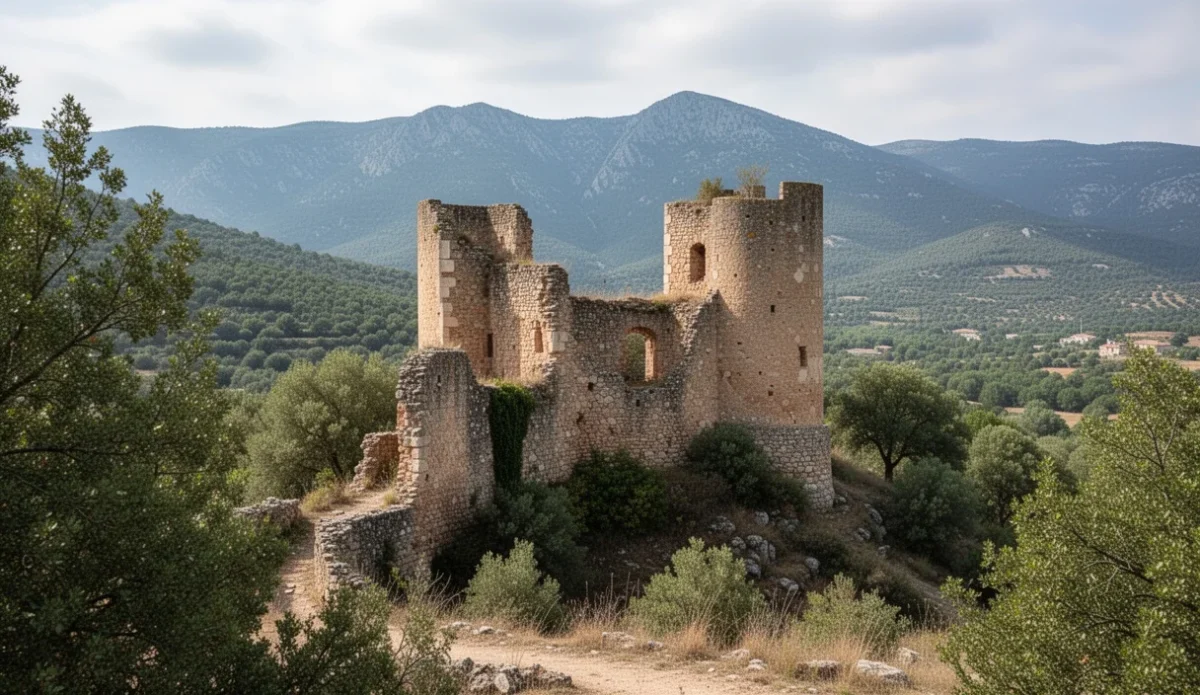
The small municipality of Pujalt, nestled at over 700 meters in the Anoia region, is gaining attention for its rich history and stunning landscapes. With just over 200 residents, it offers unique attractions that appeal to both history buffs and nature lovers.
Pujalt, a quaint municipality located in the northwest sector of the Anoia region of Barcelona, is becoming a notable destination for tourists seeking both historical intrigue and natural beauty. Perched at an altitude exceeding 700 meters, this charming locale boasts a population of just over 200 inhabitants, yet it is rich in cultural heritage and scenic vistas.
The area was once home to the impressive castle of the lords of Cervera, which later came under the control of the Kingdom of Aragon and subsequently the lords of Cardona. Although only remnants remain today, these ruins tell tales of a storied past that attracts visitors interested in Catalonia’s medieval history.
Pujalt comprises five distinct population centers: l’Astor, Conill, la Guàrdia Pilosa, Vilamajor, and Pujalt itself. Each maintains its own identity despite their small size. The municipality covers an area of 31.4 km², providing ample space for exploration.
The strategic location allows visitors to enjoy breathtaking views of prominent landmarks such as the Pirineos, Montserrat, and various mountain ranges including Pinós and Boixadors. This picturesque setting makes Pujalt not only a place steeped in history but also an ideal spot for outdoor enthusiasts.
Among Pujalt’s must-see attractions is the church of Sant Jaume de la Guàrdia Pilosa. Originally constructed as a parish church in the 12th century, it underwent renovations throughout the centuries, with significant modifications made during the 16th and 18th centuries. Visitors can admire its two altars dedicated to Sant Jaume and Sant Miquel.
An essential stop for those interested in more recent history is the Memorial del Ejército Popular. This center serves as an interpretation site showcasing artifacts from the Base de Instrucción del XVIII Cuerpo del Ejército Popular de la República. The museum provides insight into life during Spain’s Civil War through its permanent exhibition detailing camp life.
A unique experience awaits at the Observatorio de Pujalt, where astronomy enthusiasts can engage with state-of-the-art equipment designed for stargazing. The observatory hosts various activities including telescope sessions, educational workshops about space, and lectures on astronomical phenomena.
This blend of historical significance and natural allure positions Pujalt as an emerging tourist hotspot within Catalonia. As interest grows, local authorities are exploring ways to enhance visitor experiences while preserving their cultural heritage.
If you’re planning a visit to Pujalt, be sure to check out local accommodations or nearby towns for lodging options. The best time to explore this enchanting village is during spring or autumn when weather conditions are ideal for hiking and outdoor activities.

You might also be interested in