A recent study reveals that Barcelona's underdeveloped urban areas could see a population increase of nearly 128,000 residents, raising urgent public policy concerns.
The potential influx of up to 127,995 new residents into Barcelona’s controversial underdeveloped urban areas poses significant challenges for local governance. The findings from the Diputación de Barcelona (DIBA) highlight the pressing need for effective public policies to address the issues arising from this demographic shift.
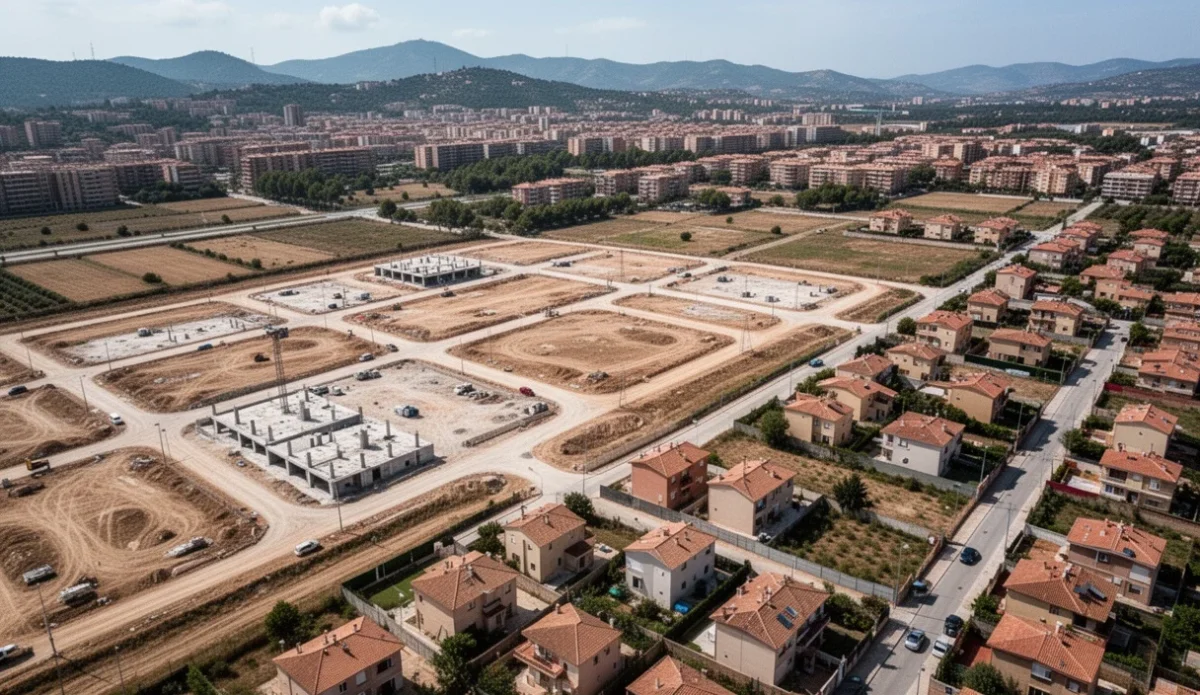
This projected growth is not merely theoretical; it stems from ongoing construction opportunities in these regions, which currently house around 88,629 registered inhabitants. This figure is comparable to the population of cities like Cornellà de Llobregat or Rubí. The DIBA report indicates that many existing plots remain undeveloped and could accommodate new housing units.
“If all existing plots were developed, it would undoubtedly exacerbate the existing problems,”
stated Oriol Nel·lo, co-author of the report and professor at Universitat Autònoma de Barcelona (UAB). He emphasized that essential services such as water supply and sanitation are already inadequate in these areas. The anticipated increase in population density would further strain these limited resources.
The historical context adds depth to this situation. During the late 1990s and early 2000s, a similar trend occurred when many families moved to isolated homes on the outskirts due to rising housing costs in central Barcelona. At that time, buyers opted for houses with gardens over cramped apartments without natural light.
A significant portion of current residents still uses their homes as second residences; approximately 32% of properties in these urbanizations are not primary dwellings. This trend reflects a broader pattern where families convert vacation homes into permanent residences amid escalating real estate prices in metropolitan areas.
The lack of infrastructure exacerbates living conditions in these neighborhoods. Many areas suffer from inadequate water distribution networks, leading to frequent shortages and pressure drops during dry spells. Recent droughts have highlighted these vulnerabilities, with some municipalities forced to limit water flow to prevent excessive losses.
The DIBA report reveals alarming statistics: around 5,515 residents currently live without access to potable water systems while an additional 38,885 contend with poorly maintained networks. This translates into over half (57.5%) of urbanizations facing serious water supply issues.
This infrastructural deficit also results in heightened reliance on automobiles for basic needs and social engagement. Francesc Muñoz, director of the Observatori de l’Urbanització, pointed out that residents often must drive considerable distances just to purchase everyday items like medication:
“There’s no commerce nearby; every trip requires getting into a car.”
The implications are profound as an aging population increasingly struggles with mobility and independence due to their isolation from essential services and community life.
The future trajectory for these urbanizations remains uncertain as local authorities grapple with how best to manage this impending growth while addressing long-standing infrastructural deficiencies. Residents seeking solutions or updates on local development plans can contact their municipal offices or visit community forums scheduled throughout the month.

You might also be interested in