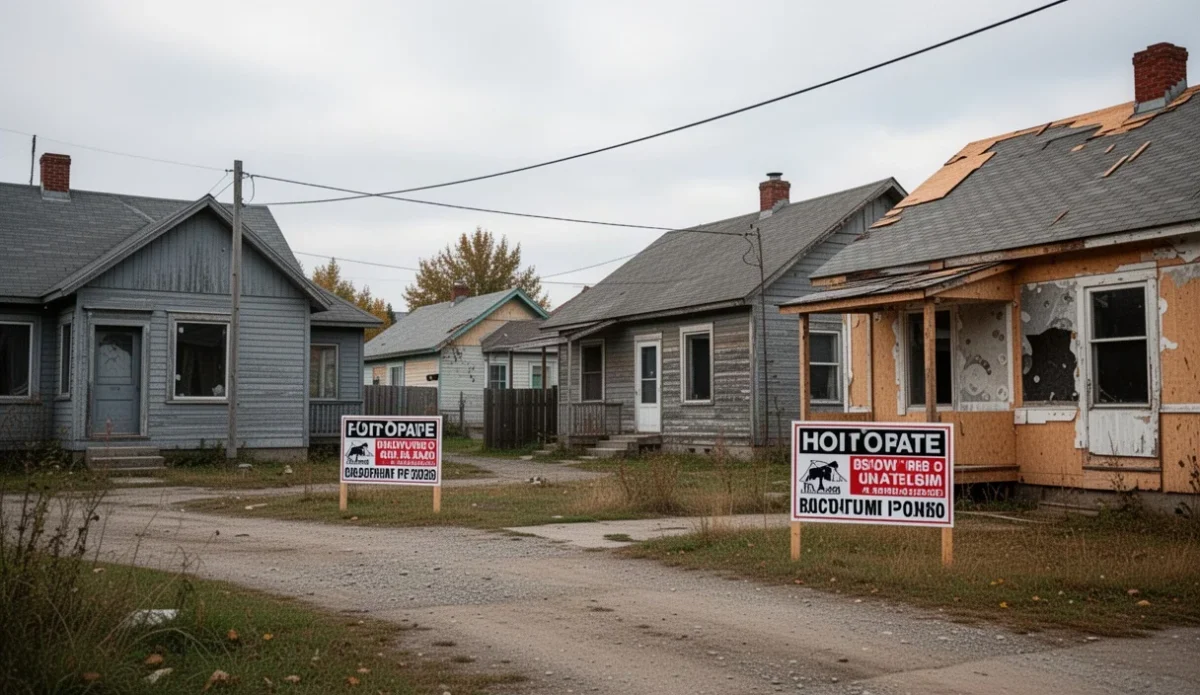
The mayor of Campdevànol, Oriol Lázaro, argues that new housing measures may backfire in small towns. He emphasizes the need for tailored solutions to address local challenges.
In a significant move reflecting the growing housing crisis in rural areas, Campdevànol has been designated as a zone with a tense residential market. Mayor Oriol Lázaro expressed concerns that the newly implemented regulations could inadvertently discourage property owners from renting out their homes. With a population of just over 3,000, the town faces unique challenges that differ from urban centers, where demand often exceeds supply. Lázaro noted that while there are approximately 120 vacant homes in Campdevànol, the real issue lies not in demand but rather in the lack of available rental properties.
Lázaro pointed out that many of these empty homes require significant renovations or are held back by owners’ distrust of current legal frameworks. He warned that imposing rental price limits could exacerbate this situation by further disincentivizing landlords from entering the rental market. “We need to encourage property owners to feel secure about renting,” he stated.
To tackle these issues effectively, the municipality is finalizing a Municipal Housing Action Plan focused on rehabilitating existing vacant properties and mobilizing current resources before considering new construction projects. This approach aims to utilize available spaces within urban areas rather than expanding outward unnecessarily.
The mayor also highlighted how housing accessibility issues hinder young people’s ability to become independent and make it difficult for local businesses to attract workers. He called for increased support and resources from higher administrative levels to implement housing policies tailored specifically for rural communities.
Laura Ayala, head of Kloosiv, an organization addressing housing issues, echoed Lázaro’s sentiments regarding the changing landscape of housing crises beyond major cities. She emphasized that small towns like Campdevànol are now grappling with similar challenges as larger urban areas when it comes to retaining young populations and expanding rental options.
Ayala explained that many vacant homes do not stem solely from unwillingness on the part of owners but often involve elderly individuals or small-scale landlords who require assistance navigating renovation processes and bureaucratic hurdles necessary for bringing properties up to code for rental purposes. “No one wants their home to sit empty and deteriorate,” she remarked.
Kloosiv advocates for personalized support systems aimed at helping homeowners manage their properties effectively while also providing municipalities with updated data on available housing stock. This information can help local governments tailor their strategies based on specific community needs.
Ayala stressed the importance of regional collaboration over isolated municipal efforts when addressing housing shortages: “Residential mobility transcends administrative boundaries; coordinated action is essential.”
The designation of tense zones serves as an opportunity to highlight rural housing struggles; however, both Lázaro and Ayala agree that regulation alone will not suffice without accompanying measures designed to activate vacant homes and facilitate their entry into the rental market.
For residents seeking affordable living options in Campdevànol or those interested in investing in local real estate, staying informed about upcoming municipal initiatives will be crucial as plans unfold over the coming months.

You might also be interested in