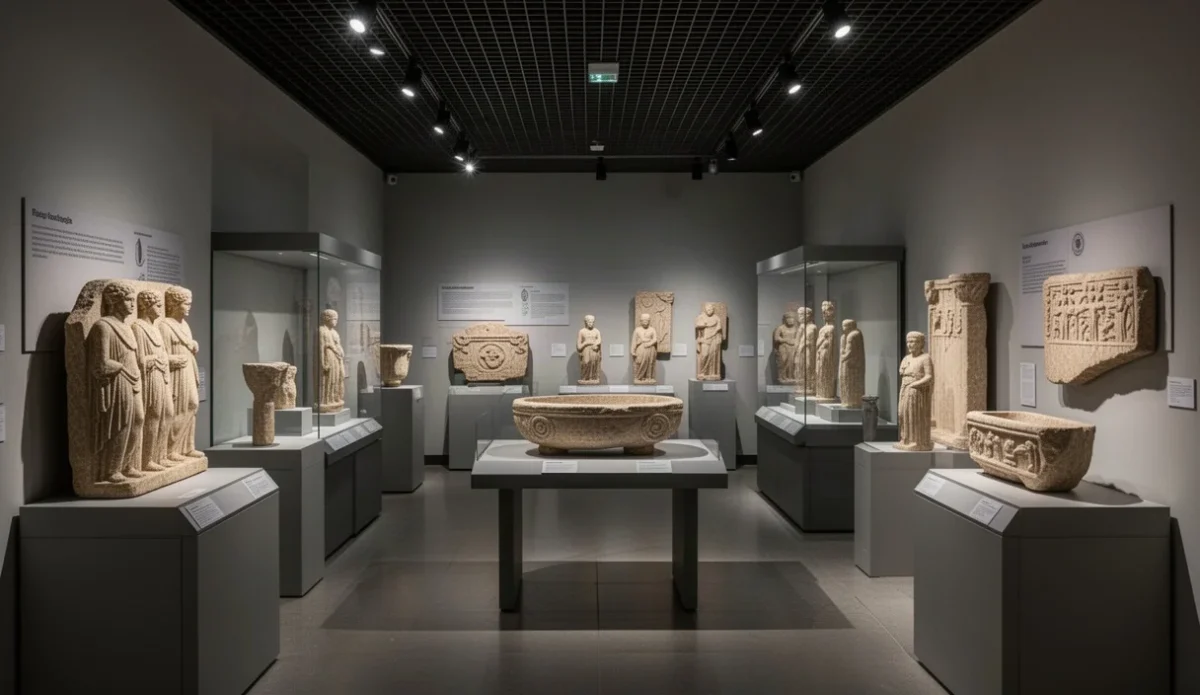
The Museu Arqueològic de Tarragona will welcome visitors this Christmas after extensive renovations. The new exhibits aim to enhance the understanding of the region's rich Roman heritage.
After an eight-year hiatus, the Museu Arqueològic de Tarragona is preparing to open its doors once again, with a grand reopening scheduled for Christmas. This significant cultural landmark has undergone extensive renovations aimed at modernizing its facilities and enhancing visitor engagement with the region’s Roman history.
The museum closed in June 2026 as it transitioned from its temporary location at Tinglado 4 in the Port of Tarragona back to its main site. The current focus is on relocating and restoring approximately 1,000 artifacts from a collection that boasts over 54,000 pieces. According to Sònia Hernández Almodóvar, the consellera de Cultura, this revitalized space will offer a contemporary experience reflective of a 21st-century museum.
“Catalunya deserves this museum, and Tarragona deserves this museum,” Almodóvar stated emphatically during a recent press briefing. The new design aims not only to showcase these historical treasures but also to provide context that makes them accessible and engaging for all visitors.
The renovation includes advanced museography that will allow guests to interact with exhibits in innovative ways. Rather than presenting artifacts in isolation, they will be accompanied by interpretive resources designed to deepen understanding among diverse audiences. This approach aligns with broader cultural initiatives aimed at making history more relatable.
A key feature of the new exhibit is the project titled ‘Los ojos de la historia,’ which seeks to immerse visitors in Catalonia’s heritage through personal narratives. By highlighting stories from underrepresented voices—such as women and children who played pivotal roles in historical events—the museum aims to create a more inclusive narrative around its collections.
This initiative reflects a growing trend among museums worldwide that prioritize visitor engagement through storytelling and immersive experiences. Historical precedents show that museums adopting similar strategies have seen increased attendance and public interest; for instance, the British Museum reported a significant rise in visitor numbers following their interactive exhibitions launched in 2019.
The reopening of the Museu Arqueològic de Tarragona promises not just an opportunity for locals but also for tourists eager to explore Catalonia’s rich past. As preparations continue, Almodóvar assures that every effort is being made to ensure that visitors can appreciate these artifacts “in all their splendor.”
For those planning to visit during the holiday season, details regarding opening hours and special events are expected to be announced soon on the museum’s official website. This reopening marks an exciting chapter for Tarragona’s cultural landscape as it reestablishes itself as a hub for archaeological exploration.

You might also be interested in