The Col·legi d’Arquitectes de Catalunya showcases its bold history through a new exhibition. Running until July 15, it highlights the institution's role in challenging Francoist authority.
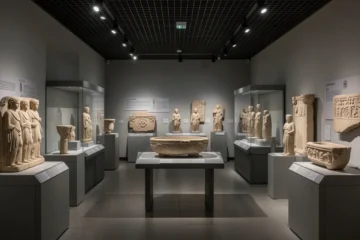
A new exhibition at the Col·legi d’Arquitectes de Catalunya (COAC) is drawing attention to the institution’s rich history of cultural resistance over the past sixty years. Titled ‘De Miró a Solano. 60 anys d’exposicions al COAC’, this showcase not only celebrates architectural achievements but also emphasizes how architects have historically engaged with art and politics, particularly during the final years of Francisco Franco’s dictatorship.
The exhibition, curated by Moisés Puente, features a range of works that reflect the rebellious spirit of the COAC. Visitors can explore pieces from renowned artists like Joan Miró and Susana Solano, whose current installation repurposes materials from Barcelona’s Teatre Principal. The show runs until July 15, inviting locals and tourists alike to delve into an often overlooked chapter of Catalonia’s artistic heritage.
One striking aspect of this exhibition is its focus on how architecture intersects with broader social movements. During the late Franco era, many professionals within the COAC took significant risks to challenge oppressive norms. For instance, in December 1970, members convened an extraordinary meeting to discuss their response to government censorship after planning an homage to communist poet Rafael Alberti.
“Nos han tirado piedras… las autoridades y la policía han dado claras pruebas de estar molestos con ellas,”
reflects a sentiment shared by many who faced backlash for their artistic expressions during this tumultuous period.
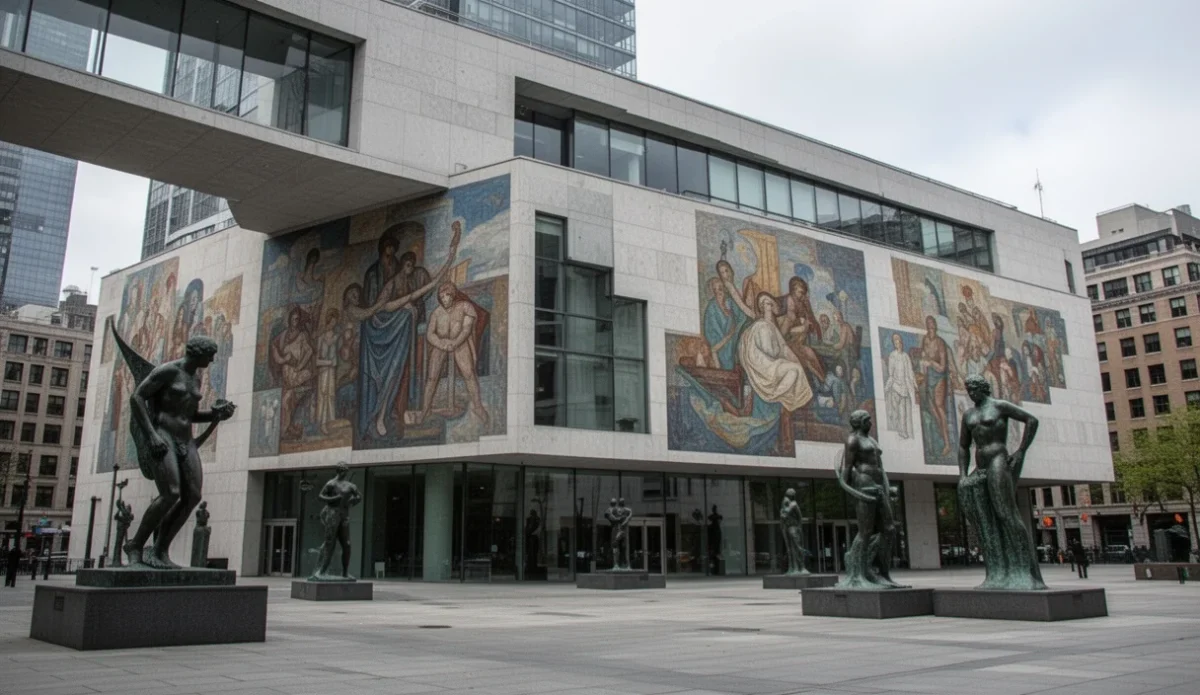
The historical context is crucial; in April 1969, Joan Miró himself staged a subversive act by creating a large mural on the exterior walls of COAC as a counter-narrative against state-sanctioned exhibitions celebrating his work. This bold move was not just an artistic statement but also a direct challenge to governmental attempts to sanitize his legacy.
The building housing COAC itself is an architectural gem designed by Xavier Busquets, who won acclaim for rejecting traditional styles in favor of modernism that harmonized with Barcelona’s historic landscape. His collaboration with Picasso resulted in murals that still adorn its walls today, showcasing how art can serve as both aesthetic and political commentary.
“Fue como si alguien le clavara una aguja en el culo,”
Picasso reportedly exclaimed upon seeing Busquets’ innovative techniques for mural creation using high-pressure sandblasting—a method that transformed concrete into vibrant canvases.
This ongoing dialogue between architecture and activism continues today as COAC remains committed to exhibiting works that provoke thought and inspire change. Past exhibitions have included retrospectives on influential figures like Josep Maria Jujol and contemporary architects such as Herzog & de Meuron long before they gained international recognition.
The current exhibit serves not only as a celebration but also as a reminder of the importance of dissenting voices within society. As visitors navigate through these historical narratives, they are encouraged to reflect on how architecture can influence cultural identity and social justice movements.
For those interested in exploring further, COAC houses one of Europe’s most comprehensive libraries dedicated to architecture and design right across from its main exhibition space. With valuable resources available for public consultation, it stands as a testament to the enduring legacy of Catalonia’s architectural community.

You might also be interested in