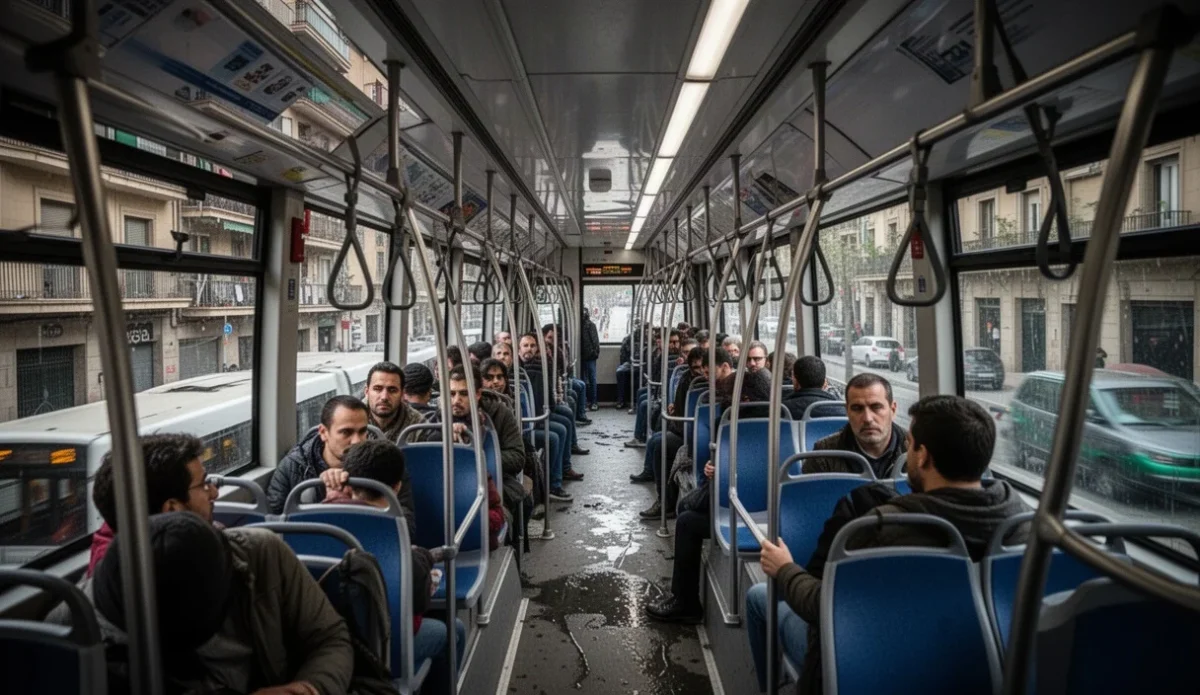
Oriol Junqueras, leader of Esquerra Republicana, cautions that Catalonia is not equipped to handle a larger population due to existing infrastructural challenges. His comments come during a critical period marked by migration issues.
In a stark warning about the limits of Catalonia’s capacity for growth, Oriol Junqueras, president of Esquerra Republicana (ERC), stated that the region is currently unprepared to accommodate more residents. Speaking at a conference on the War of Succession at the Universitat Catalana d’Estiu, he emphasized that existing conditions do not support an increase in population.
Junqueras pointed out significant challenges facing the region, including housing shortages and strained public transport systems. He remarked, “It is evident that the necessary conditions are not in place for Catalonia to have many more inhabitants than it already does.” This statement comes as Spain grapples with a migration crisis in Ceuta, highlighting broader concerns about resource management.
The ERC leader has been vocal about these issues for some time. In December 2025, he expressed skepticism about Catalonia reaching a population of ten million inhabitants under current circumstances. He reiterated that before any increase in population can be considered, there must be improvements across various sectors affecting daily life.
“We face difficulties in access to housing and problems within our educational and healthcare systems,” he noted. “Our road infrastructures are collapsing, and we are struggling with water and energy resources.” These remarks underscore his belief that sustainable growth cannot occur without addressing these fundamental issues first.
When asked about the government’s handling of the ongoing migration crisis in Ceuta, Junqueras did not hold back his criticism. He described the situation as a humanitarian disaster and called for immediate action to prevent further loss of life. “It is scandalous that political parties focus on blame-shifting rather than addressing this human catastrophe,” he stated emphatically.
Despite his criticisms of central government policies regarding immigration control, Junqueras expressed support for transferring immigration powers to Catalonia. He believes that local governance would lead to better management of immigration issues: “The more competencies we have, the better we can manage our own affairs,” he explained.
This perspective contrasts with views from other political factions within Catalonia. David Cid, spokesperson for the Comuns party in Parliament, acknowledged the need for closer management but raised concerns over Junts’ proposed delegation of powers without clarity on their immigration policy. Cid emphasized that understanding how these powers would be used is crucial before any transfer occurs.
The debate over immigration management reflects broader tensions within Spanish politics regarding regional autonomy and resource allocation. As Catalonia navigates its unique challenges amidst rising migration pressures and internal demands for improved living conditions, leaders like Junqueras continue to advocate for responsible governance focused on sustainability rather than unchecked growth.
For residents concerned about local infrastructure developments or potential changes in immigration policy, staying informed through community meetings or local news outlets will be essential as discussions progress in Parliament.

You might also be interested in