After decades of neglect, Barcelona has approved a monument to Ildefons Cerdà, the city's urban planner. This decision comes 139 years after his death and highlights a long-overdue recognition.
In a significant move for urban history, the city of Barcelona has approved the construction of a monument dedicated to Ildefons Cerdà, the visionary behind its iconic Eixample district. This decision, made public on August 21, marks exactly 139 years since Cerdà’s untimely death in Cantabria while seeking respite at Las Caldas de Besaya.
Cerdà’s legacy as an architect and urban planner was marred by controversy during his lifetime. His ambitious Plan Cerdà, which aimed to modernize Barcelona through innovative urban design, faced fierce opposition from contemporaries who questioned its practicality. Despite this resistance, his ideas laid the groundwork for what would become one of Europe’s most celebrated urban landscapes.
The approval for the monument comes after years of advocacy from historians and urban planners who believe that Cerdà deserves recognition not only for his contributions but also for enduring personal hardships throughout his life. He faced significant political backlash and financial struggles related to his projects, which were often criticized as impractical.
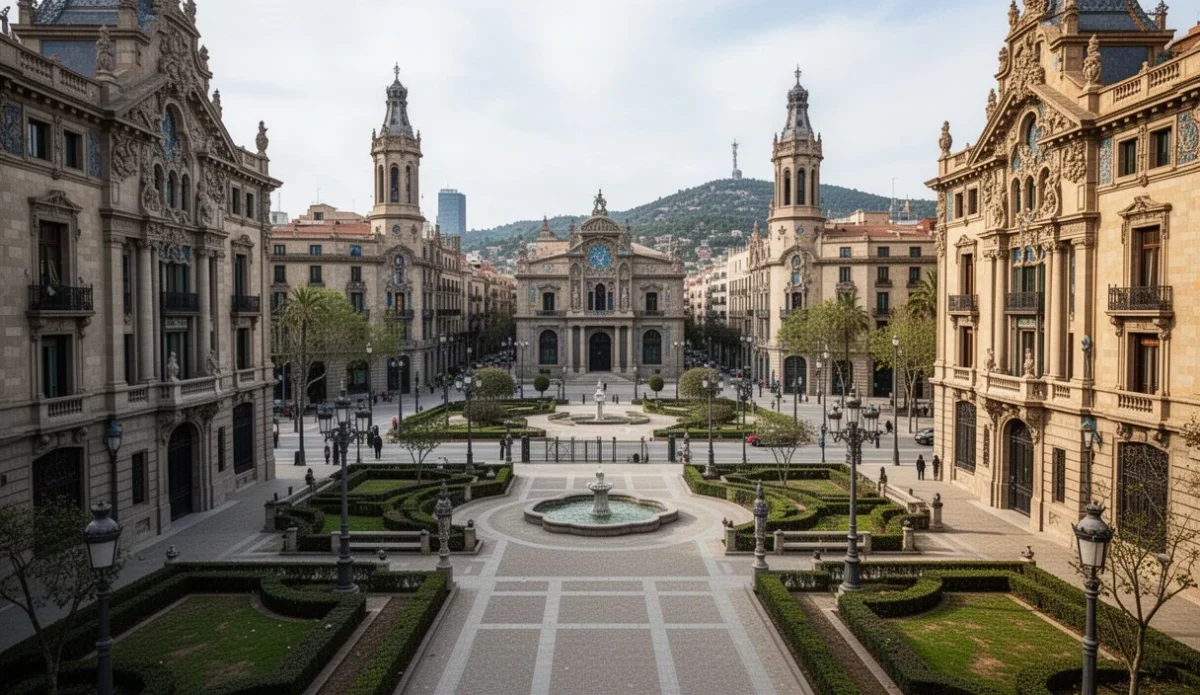
The new monument is set to be erected in a prominent location within the Eixample itself, symbolizing both reconciliation with Cerdà’s past and an acknowledgment of his influence on contemporary urban planning. The decision follows a lengthy process that began with discussions dating back to 1889, when initial proposals for honoring him were first suggested.
Cerdà’s life was marked by personal challenges as well; he lived apart from his wife and had complex relationships with his children. His will notably excluded mention of them while providing funds for charitable causes in Barcelona. This complicated family dynamic adds another layer to understanding the man behind the plans.
The historical context surrounding Cerdà’s work reveals how deeply intertwined personal and professional struggles can be in shaping legacies. For instance, despite being born into a family with deep roots in Catalonia, he faced accusations questioning his identity and commitment to local culture—a narrative fueled by rival architects like Lluís Domènech i Montaner.
It wasn’t until recent decades that efforts intensified to restore Cerdà’s reputation. Influential figures such as economist Fabián Estapé played pivotal roles in reviving interest in Cerdà’s theories on urbanization, culminating in initiatives that led to the eventual recovery of his remains from Cantabria back to Barcelona in 1971.
The forthcoming monument is expected not only to honor Cerdà but also serve as an educational tool about sustainable urban development principles he championed over a century ago. As cities worldwide grapple with rapid growth and environmental challenges today, revisiting Cerdà’s vision could provide valuable insights into creating livable spaces.
This long-awaited tribute reflects broader societal shifts towards recognizing historical figures whose contributions have been overlooked or misrepresented over time. It signals a commitment by city officials not just to remember but also learn from their past mistakes regarding public acknowledgment.
The construction is slated to begin next year with hopes that it will be completed by 2027. Residents are encouraged to participate in upcoming community discussions about the design elements they wish included—an opportunity for collective reflection on how far Barcelona has come since those early days of industrialization.

You might also be interested in