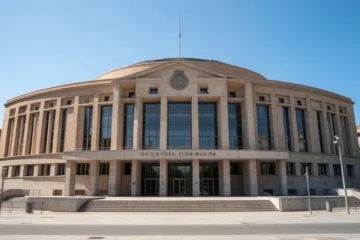
The Supreme Court has confirmed the destruction of materials seized during the controversial 2017 independence referendum in Catalonia. This decision marks a significant moment in the ongoing debate over the region's political legacy.
The Supreme Court has taken a decisive step by confirming the destruction of materials confiscated during the 1-O referendum held on October 1, 2017. This ruling comes after nearly nine years since the contentious vote, which aimed to establish Catalonia’s independence from Spain. The court’s decision effectively puts an end to any hopes of preserving these items as historical artifacts.
Carles Puigdemont, leader of Junts per Catalunya and former president of the Generalitat, had previously opposed this resolution. He argued that he should be allowed to keep the seized items due to their “testimonial, historical and patrimonial” value. However, the Supreme Court rejected his request, stating that he lacked legal standing to claim ownership or custody over these materials.
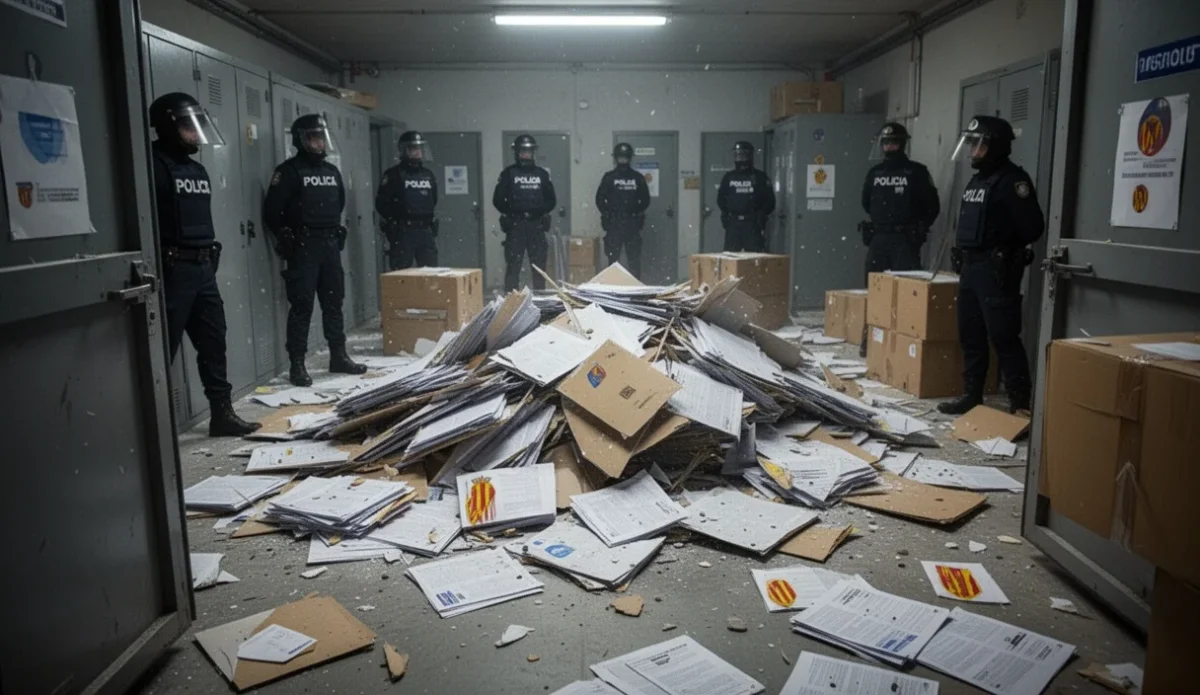
According to police reports, a total of 423 ballot boxes, 90,700 ballots, and 64,800 envelopes were among the key items confiscated by Mossos d’Esquadra during the operation. These objects were collected from various polling stations across Catalonia as part of an effort to prevent voting in public spaces.
The significance of this ruling extends beyond mere physical objects; it reflects ongoing tensions surrounding Catalonia’s quest for autonomy. Historical precedents show that similar disputes over political memorabilia have occurred globally, often igniting debates about national identity and collective memory.
The inventory also includes numerous documents related to electoral procedures—such as voter registration lists and guidelines for volunteers overseeing polling stations—along with promotional materials advocating for independence. Among these are copies of a manual titled ‘Referendum on Self-Determination’ and other documents intended for those involved in organizing the vote.
The Supreme Court’s April ruling authorized not only the destruction but also stipulated that one or two samples from each category would be preserved for archival purposes. The process will see all remaining items transported to a central storage facility in Egara where they will be officially documented before being destroyed.
This week’s confirmation follows another request made by Tarragona’s Provincial Information Brigade seeking permission to destroy additional materials seized during operations in their jurisdiction on October 1. They argued that with no ongoing criminal proceedings involving these items, their preservation was unnecessary under new legal frameworks established by recent amnesty laws.
The Tarragona operation resulted in confiscation from five educational institutions and included various electronic devices such as computers and tablets alongside thousands of ballots and envelopes. Notably, some volunteers managed to retain certain items from that day despite official seizures.
This latest development raises questions about how future generations will perceive this chapter in Catalan history. While many physical remnants will vanish into oblivion, some artifacts have found refuge at institutions like the Museu d’Història de Catalunya where privately donated items continue to tell stories of that pivotal day.
As discussions around Catalonia’s identity evolve, so too does its material culture associated with independence movements. For those interested in exploring this aspect further or viewing preserved artifacts related to this period, visiting local museums may provide valuable insights into both past events and current sentiments regarding autonomy.

You might also be interested in