
The Bar Marsella, known as the temple of absinthe, has been officially declared a historical monument in Barcelona. This emblematic venue, dating back to 1820, has become a landmark not only for food and culture lovers but also for the film industry. Its history is marked by a series of iconic shoots that have left a mark on the cinematic world.
A Cinematic Legacy
José Lamiel, the current manager of the bar and heir to its family legacy, highlights that Marsella has been an integral part of Barcelona's social and cultural life. “It has always been a meeting point for friends and family,” Lamiel states. However, its connection to cinema is what truly sets it apart. The bar has served as a backdrop for numerous film productions over the decades.
One of the standout moments was when George Lucas, in his role as producer, chose Bar Marsella to film a key scene in ‘The Adventures of Young Indiana Jones’. In this episode titled ‘Barcelona, May 1917’, Indy is depicted interacting with Allied spies in a café that represents the bar itself. Lamiel recalls how Lucas was interested in restoring the original bar during a single night: “They showed me the original pieces and decided to recover them,” he recounts.
Over the years, Bar Marsella has attracted renowned directors like Woody Allen. Although Allen did not use the bar for his film ‘Vicky Cristina Barcelona’, he did take advantage of its interiors and exteriors in other scenes. Lamiel mentions that they signed a confidentiality agreement with Allen that limited access to the venue during filming.
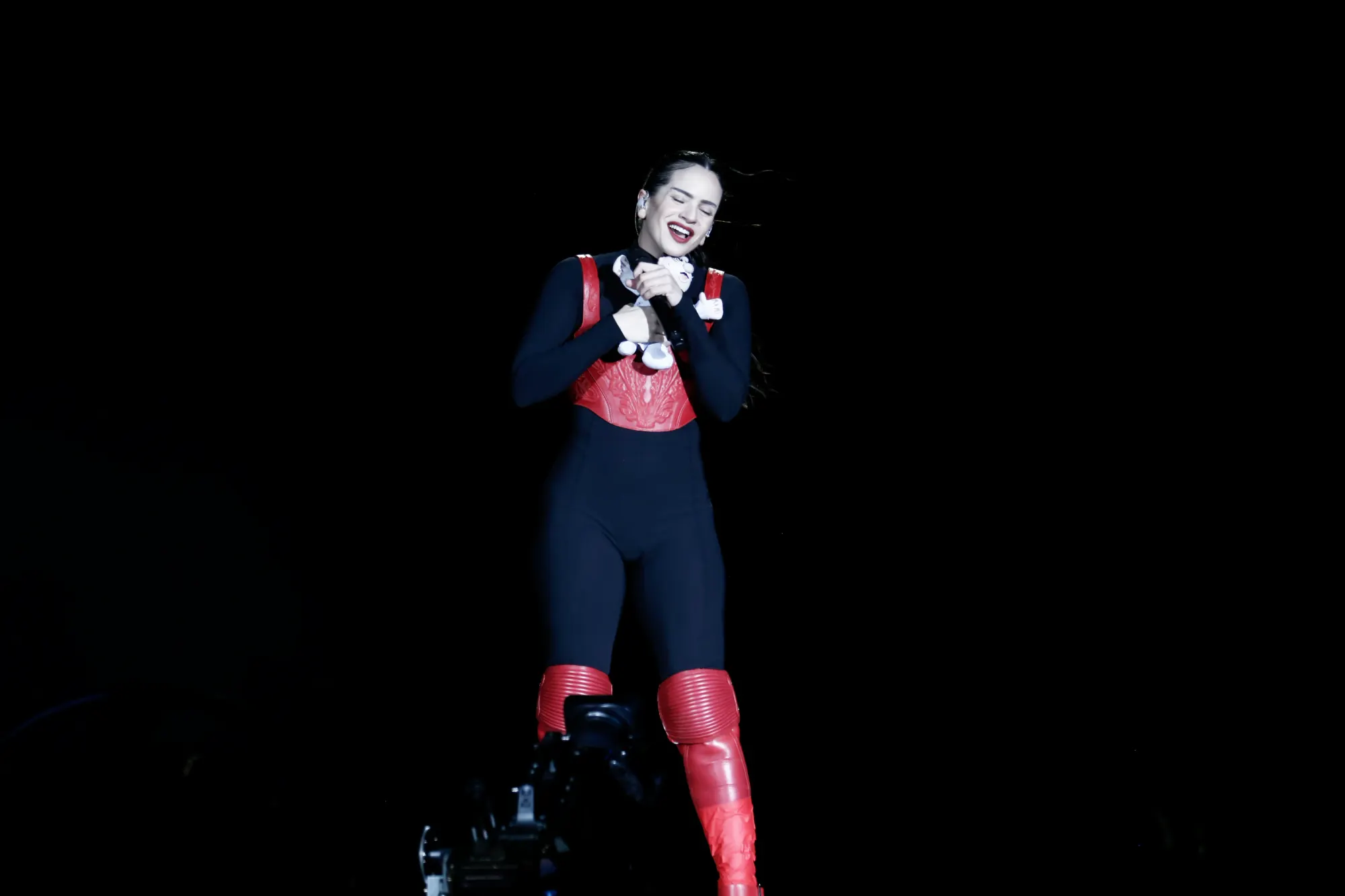
Not only Hollywood has set its sights on this place; international productions have also found inspiration here. From advertisements to Indian films like ‘You Only Live Once’, starring Hrithik Roshan, the bar has served as a backdrop. Recently, even a famous music video by Rosalía and Rauw Alejandro, titled ‘Vampiros’, was filmed there, attracting new visitors eager to recreate scenes for social media.
As 2026 approaches, Bar Marsella continues to be a vibrant place where history and modernity converge. The local community celebrates its renewed status as a historical monument while still welcoming both curious tourists and passionate cinephiles drawn to its rich cultural heritage.
“The bar is part of Barcelona and Barcelona is part of the bar,” concludes Lamiel.
As new cultural initiatives solidify around Bar Marsella, it is clear that this establishment is not only a witness to the past but also an active player in the contemporary narrative of cinema and Catalan culture.

You may also like