Two iconic bars in Barcelona are challenging a municipal order to remove their historic signs, sparking a debate on cultural preservation. The city is now exploring potential adjustments to its regulations.
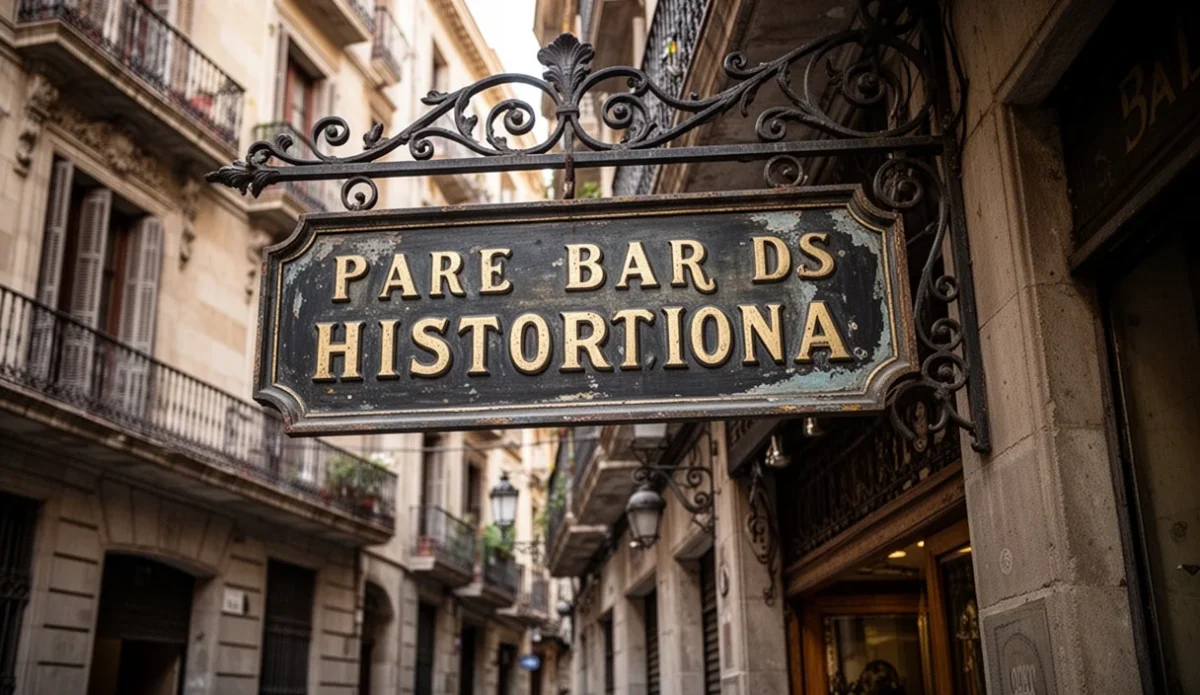
In a significant clash between tradition and regulation, two historic bars in Barcelona are fighting against a municipal order that mandates the removal of their iconic signage. The Bodega Fermín in Barceloneta and the Bar Bodega Carol in Clot have both found themselves embroiled in legal battles over the fate of their long-standing signs, which they argue are vital to their identity and community heritage. As these disputes unfold, the city government is considering changes to existing ordinances that govern urban aesthetics, aiming to balance compliance with the preservation of local character.
The owners of Bar Bodega Carol, Alberto García Moyano among them, have taken a firm stand against the city’s directive. Established in 1939, this bar has been a staple of the neighborhood for decades. García Moyano recalls how he and his partners took over the establishment in 2015 with a commitment to maintain its historical elements. “The sign has been part of our identity since before we arrived,” he stated emphatically.
However, following complaints from a neighbor—who turned out to be involved in opposing legal matters—the city issued an order for its removal due to size violations. This prompted García Moyano and his partners to challenge the ruling legally. They argue that many small businesses often comply with such orders due to financial constraints associated with legal battles; however, as an attorney himself, García Moyano is determined to fight for what he believes is an essential symbol of community pride.
The situation escalated when they received fines totaling €1,500 for non-compliance with the order. Despite these setbacks, they continue their fight through administrative appeals while awaiting further court decisions regarding their case scheduled for October 21.
Interestingly, this isn’t just about one bar’s sign; it reflects broader tensions within Barcelona as gentrification pressures mount on traditional establishments. The area surrounding Bar Bodega Carol has seen significant changes over recent years due to tourism and urban development initiatives aimed at modernizing neighborhoods close to landmarks like La Sagrada Família.
In contrast, Bodega Fermín’s owners faced similar challenges when required by city officials to remove their vertical corner sign—a move they deemed detrimental not only to their business but also harmful to local culture. Their plight gained traction on social media platforms where public support surged after sharing their story online.
This growing public sentiment has not gone unnoticed by municipal authorities who are now re-evaluating how such regulations impact longstanding businesses that contribute significantly to Barcelona’s cultural fabric. City officials have expressed intentions of potentially amending current laws governing urban signage so that historical establishments can retain their unique identifiers without compromising safety or aesthetic standards.
As discussions progress regarding possible regulatory adjustments, both bars remain hopeful yet cautious about future developments. They recognize that while some changes may come too late for them personally—given ongoing litigation—the outcome could pave the way for better protections for other historic venues facing similar predicaments across Barcelona.
The ongoing saga highlights an important question: how can cities honor tradition while accommodating modernity? As more businesses rally behind preserving cultural landmarks amidst rapid change—a phenomenon observed globally—Barcelona finds itself at a crossroads where policy must evolve alongside community values.
For those interested in supporting these establishments or learning more about local efforts toward preservation initiatives within Barcelona’s vibrant neighborhoods: visit Bar Bodega Carol located at Calle de Aragón 558 or stop by Bodega Fermín situated nearby in Barceloneta.

You might also be interested in