
A Musical Journey from Sant Esteve Sesrovires
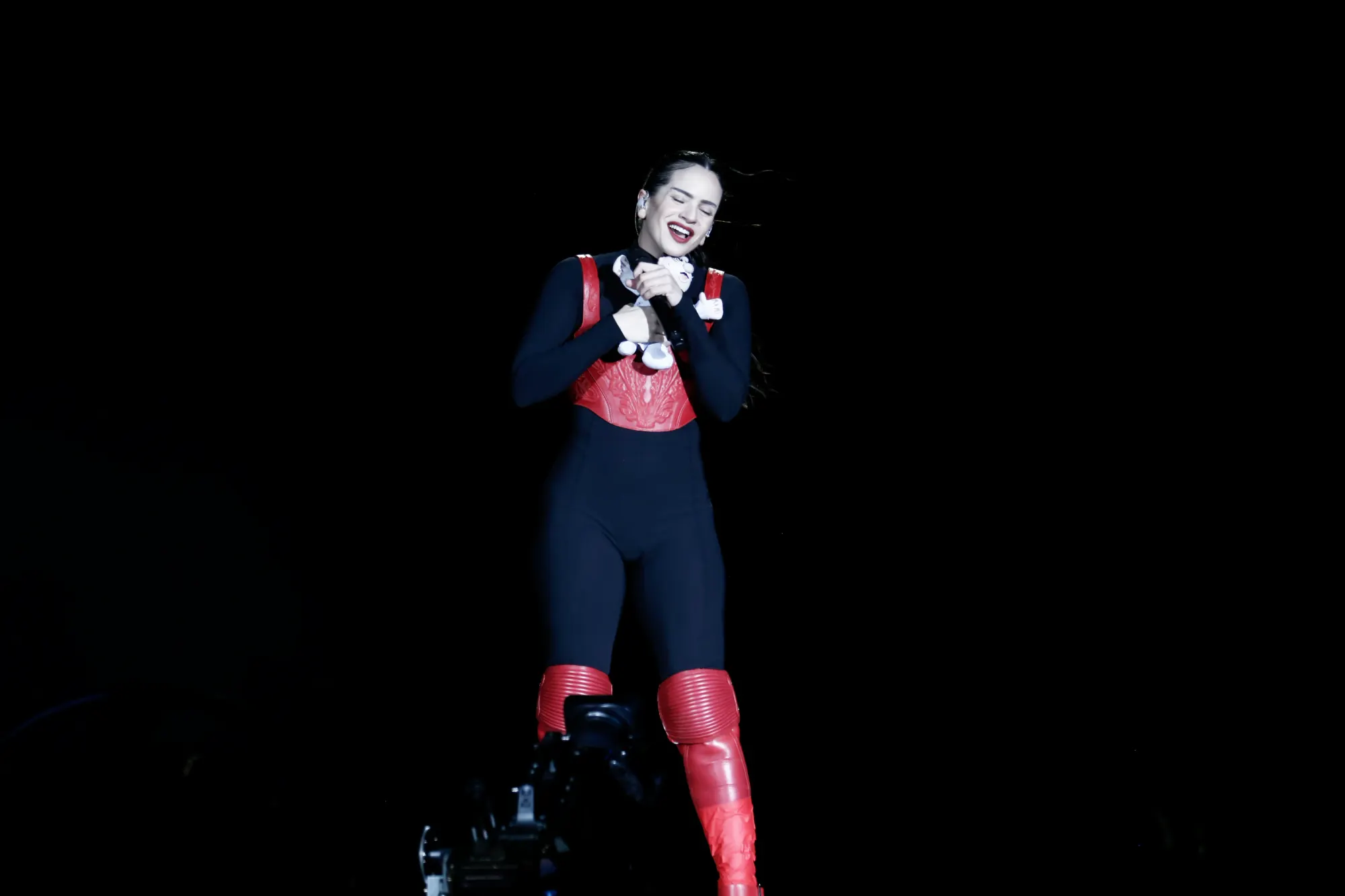
Rosalía, the Catalan artist who has captivated global audiences, has woven her career through a unique fusion of genres, particularly standing out for her connection to flamenco. Her latest album, Lux, is not only an artistic statement but also a reflection of her roots in Barcelona, a city that has profoundly influenced her style and musical evolution.
The book Rosalía, por ahí por Barcelona…, written by journalist Maricel Chavarría, explores how the city has been a melting pot for musical creativity. From the jams in Raval to concerts in iconic venues like Sala Apolo and Liceu, Barcelona offers a unique environment where diverse musical traditions blend. Chavarría questions whether Rosalía would have achieved this level of success without the cultural context provided by this metropolis.
Throughout her career, Rosalía has challenged the norms of traditional flamenco. Her collaboration with artists like Raül Refree allowed her to explore new sounds without abandoning her roots. This quest for a “third way” between pure flamenco and other genres has been key to her international success. In this sense, her music resembles a crossroads between the classic and the contemporary, where each note reflects both tradition and innovation.
The rise of mestizo sound during the 1992 Olympics marked a turning point in the Barcelona music scene. Groups like Ojos de Brujo helped popularize diverse rhythms that integrated flamenco with African and Hindu influences. This phenomenon not only enriched local culture but also laid the groundwork for later artists like Rosalía, who draws from this diversity to create her own style.
Despite her resounding success, Rosalía is not without criticism. Recently, she has faced controversies related to limited access for photographers during her concerts. This debate raises questions about how artists manage their public image and how this can affect their relationship with fans and the media.
As Rosalía continues to evolve artistically, it is clear that her connection to Barcelona is fundamental to understanding her music. The city not only provides her with inspiration; it also represents a space where different cultures can coexist and creatively merge. With each new project, Rosalía reaffirms her place as a central figure in the redefinition of modern flamenco.

You may also like