
The Sagrada Família in Barcelona, a masterpiece by Antoni Gaudí, has opened to the public one of its most unique rooms: the glass sacristy. This space, which had until now remained almost hidden from visitors, has become a highlight of the tour of the temple, offering an intimate view of the liturgical objects stored there.
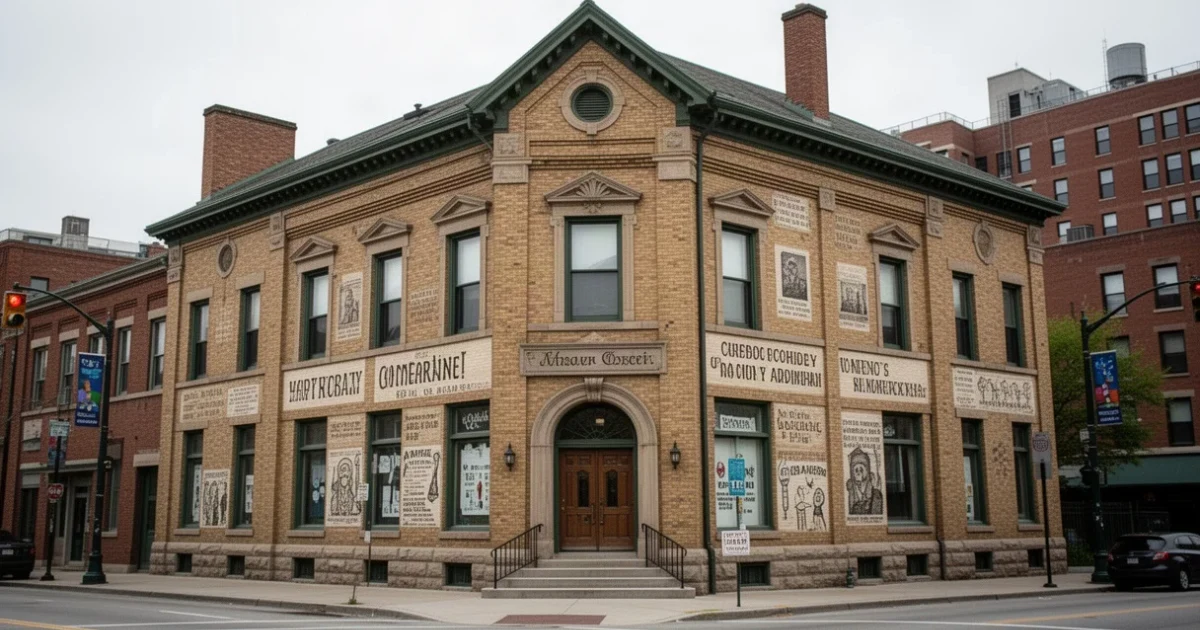
Inaugurated in 2017, the sacristy is notable for its onion-shaped dome and innovative design. From the outside, it is easily recognisable at the corner of Sardenya and Provença streets. However, what truly fascinates visitors is the interior, where furniture designed by Gaudí is found to store sacred items such as chalices and hosts. These pieces are not simple cabinets; they are genuine works of art that require special knowledge to be opened.
An architectural and spiritual legacy
On June 10, coinciding with the centenary of Gaudí's death, Pope Leo XIV made a brief visit to this sacristy after celebrating a homily in the main nave. This event marked a significant milestone for the basilica and drew global attention to this little-known corner of the temple.
Despite the fire that devastated part of the building during the early days of the Spanish Civil War, the original structure was safeguarded thanks to the exterior forging. Alejandro Seoane, one of the current architects of the temple, recalled how these pieces were reconstructed with great dedication and respect for the original design. “It is moving to see how the wood was carved again to fit perfectly into its shape,” Seoane commented.
In addition to the liturgical furniture, another interesting element is a small sink located in a corner. This simple object has a special purpose: its drain does not go to the conventional sewer but leads directly to the underground beneath the temple. This feature is common in places of worship and adds an additional level of symbolism to this sacred space.
As the construction of the temple progresses, it is expected that an exact replica of this sacristy will be erected at the corner of Marina and Provença streets. This new access will be an integral part of the completed project in about 10 to 20 years. The total completion of the temple is linked to this final construction phase.
The Sagrada Família remains a symbol not only architecturally but also culturally for Barcelona and Spain. With each new opening or discovery within the complex, its importance as a tourist and historical destination is reaffirmed. Visitors can now appreciate not only the imposing towers but also these intimate details that reveal more about the artistic and spiritual vision behind Gaudí's monumental work.
As the works continue, both locals and tourists eagerly await to see how this emblematic place evolves as it finally approaches its promised completion.

You may also like