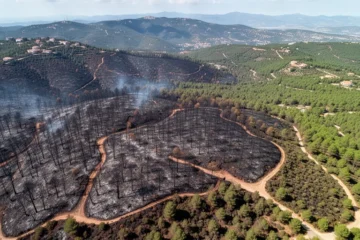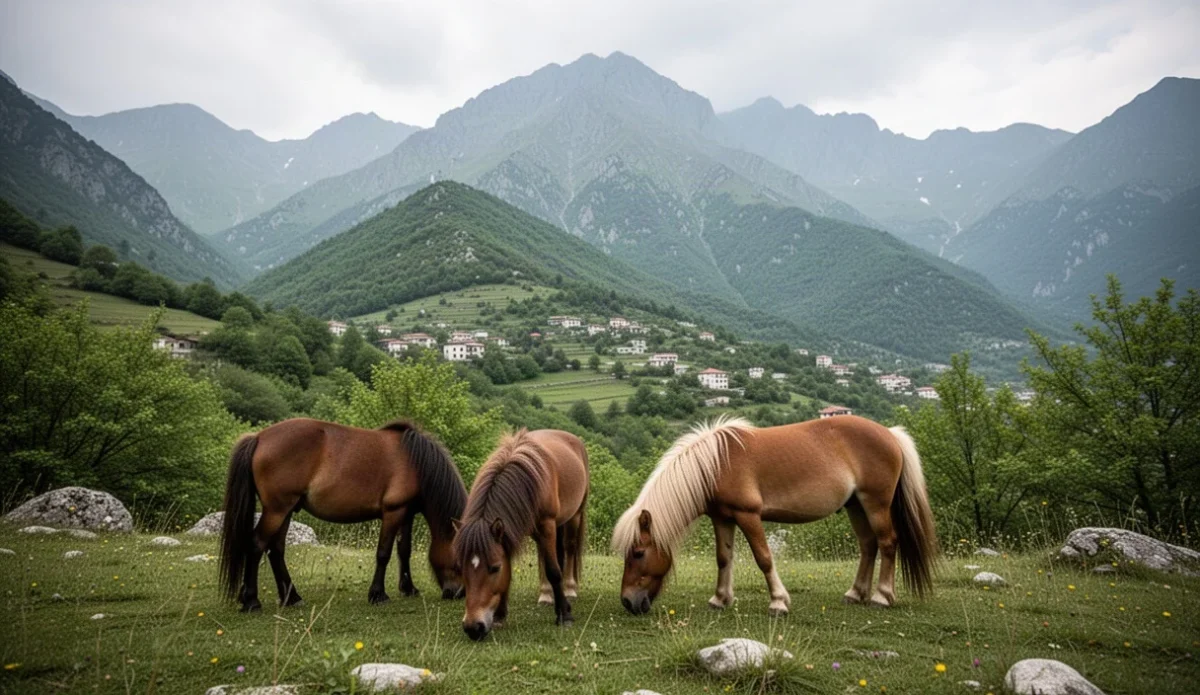
Ten pottoka ponies have begun a pilot project in Aristot, aimed at reducing wildfire hazards through sustainable grazing. This initiative highlights innovative approaches to forest management.
In a groundbreaking effort to mitigate wildfire risks, ten pottoka ponies have been deployed this summer in the village of Aristot, located within the municipality of El Pont de Bar in Alt Urgell. This pilot project, spearheaded by the Fundació Miranda alongside a local farmer, aims to manage abandoned lands and underbrush through sustainable grazing practices.
The introduction of these ponies marks a significant step after over a decade of forest management initiatives by the Fundació Miranda in the Parc del Garraf. With wildfires becoming an increasing threat due to climate change and land abandonment, this project seeks to utilize the unique characteristics of pottoka ponies as an effective tool for reducing combustible vegetation.
Pottoka ponies are small, rustic horses native to the Basque Country. They possess remarkable adaptability to forest environments and are particularly suited for mountainous terrains like those found in Alt Urgell. Unlike larger herbivores such as cows or traditional riding horses, their lighter weight prevents soil compaction and damage to dry stone walls that are often used for terraced farming on mountain slopes.
The need for such innovative solutions arises from the growing problem of agricultural land abandonment, which has allowed forests to encroach upon previously cultivated areas. This encroachment leads to an accumulation of fine fuels that significantly heighten wildfire risks during periods of extreme heat. The grazing habits of these ponies not only help reduce this fuel load but also promote biodiversity by creating open spaces conducive to Mediterranean flora and fauna.
“The impact of the pottoka herd on the environment is tremendous,” says Agustí Porta, the local farmer overseeing this initiative.
Porta has extensive experience with livestock management but notes that his previous efforts with cows and sheep did not yield results as effective as those achieved with pottoka ponies. In just two months, they have managed to clear underbrush that would typically require human intervention for maintenance. Local residents have expressed satisfaction with the results, observing how well-maintained their surroundings have become without damaging existing stone structures.
Rosa Galindo, president of Fundació Miranda, elaborated on why pottokas are particularly well-suited for mountainous regions: “These horses have been genetically selected for life in forested areas; they weigh little and do not compact the ground.” She emphasizes that heavier breeds would cause more erosion and damage than these agile ponies.
The Fundació Miranda manages over 5,000 hectares across Catalonia through agreements with private landowners and public spaces. Their mission focuses on connecting horses with people and nature while promoting ecological conservation efforts. Currently housing around 80 horses rescued from neglect or abuse situations, they tailor their management strategies according to specific environmental needs.
Pushing for streamlined regulations
Despite its promising potential, this initiative faces bureaucratic hurdles that could hinder its effectiveness. Galindo advocates for institutional support: “We need clear and courageous commitments from administrations—less bureaucracy and more trust—to facilitate extensive management projects aimed at fire prevention and ecological restoration.”
“Bureaucracy is overly complicated; it complicates our management efforts,” Porta laments regarding administrative challenges.
He points out that many landowners in the area are elderly individuals with limited resources who struggle against cumbersome regulations when attempting comprehensive land recovery efforts beyond simple grazing permits. While introducing horses requires minimal paperwork regarding pasture zones, fully restoring lands often necessitates extensive planning documentation that can be overwhelming without prior forest management plans.
This innovative approach using pottoka ponies illustrates how traditional practices can be adapted into modern solutions for pressing environmental issues like wildfire prevention while also fostering community engagement in sustainable land use practices.

You might also be interested in