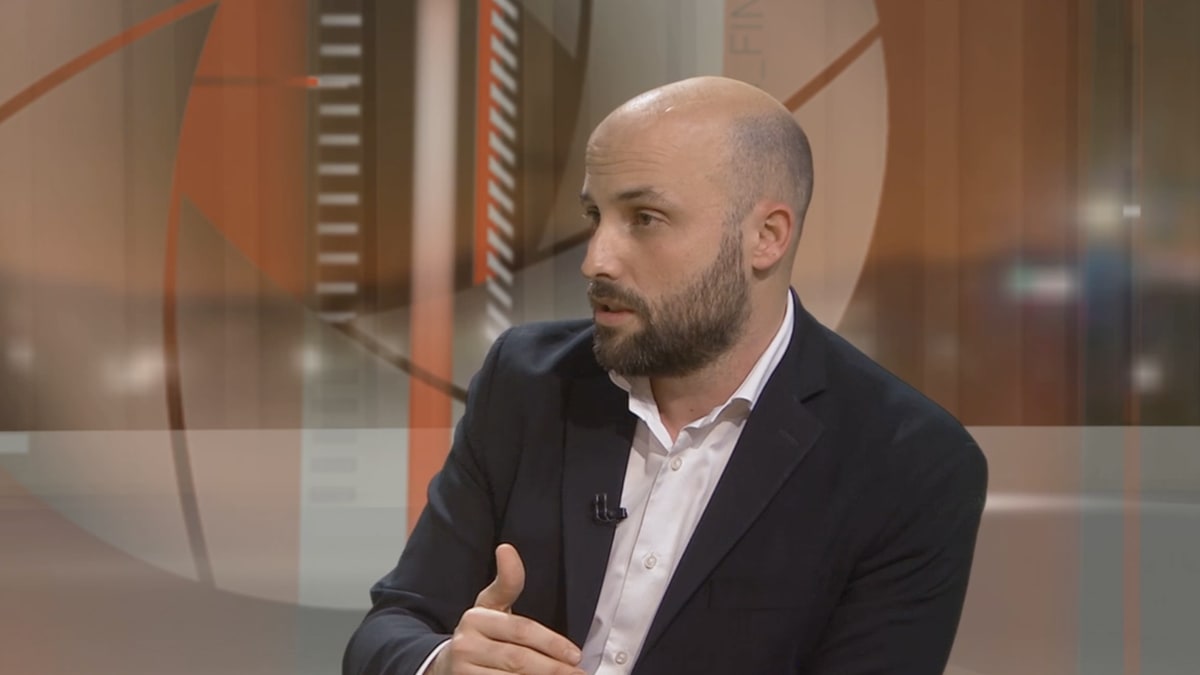

According to the latest CEO barometer, Gabriel Rufián is the best-rated Catalan leader in Congress by Catalans, with a score of 5.8.
The information, reported by Vozpópuli, describes a shift in Catalan voting: some former voters of Ciudadanos are starting to look towards Gabriel Rufián. The supporting data comes from the latest barometer of the Centre for Opinion Studies (CEO), which ranks the spokesperson for ERC as the best-rated Catalan leader in Congress, with a score of 5.8.
The poll also indicates that 92% of Catalans know Rufián, far exceeding Ernest Urtasun, whose popularity does not reach 50% and who scores 4.8. According to the analysis, the alliance with Podemos ahead of the upcoming elections and a discourse more focused on language and identity are behind this rise.
The lost ground for Sumar is the other side of the equation. In 2023, the Comuns, part of Sumar, secured six seats in Catalonia and now, according to estimates, would be left with two. Almost half of the Catalans who voted for Yolanda Díaz would now lean towards ERC (24%) or Podemos (19%). According to Nacho Michavila, president of GAD3, in an interview on La Cope, this trend could solidify in new polls.
The transfer also affects PSC, which loses 8% of its current votes to ERC, and Junts, which loses 5% in favour of the republicans. For the voter, the phenomenon has a concrete reading: in predominantly Spanish-speaking neighbourhoods like Hospitalet, Santa Coloma de Gramenet, or Rubí, favourable opinions about the deputy are already being heard.
"Andalusia is my life, the blood that runs through my veins," Rufián said in an interview on La Ser earlier this month.
At his rally with Montero in the Nou Barris district of Barcelona, the deputy argued that speaking perfect Catalan is pointless if one then votes alongside PP and Vox. That neighbourhood, which according to the text has the highest percentage of Spanish speakers in the city, voted en masse for Ciudadanos in 2017 and 2019, although today it is a socialist stronghold.
A social worker from the metropolitan belt, a former voter of Ciudadanos, sums up the change simply: the deputy no longer emphasises independence and now connects with leftist ideas in a different way. The upcoming general elections will reveal whether this support translates into votes.

Trending on the web

You may also like