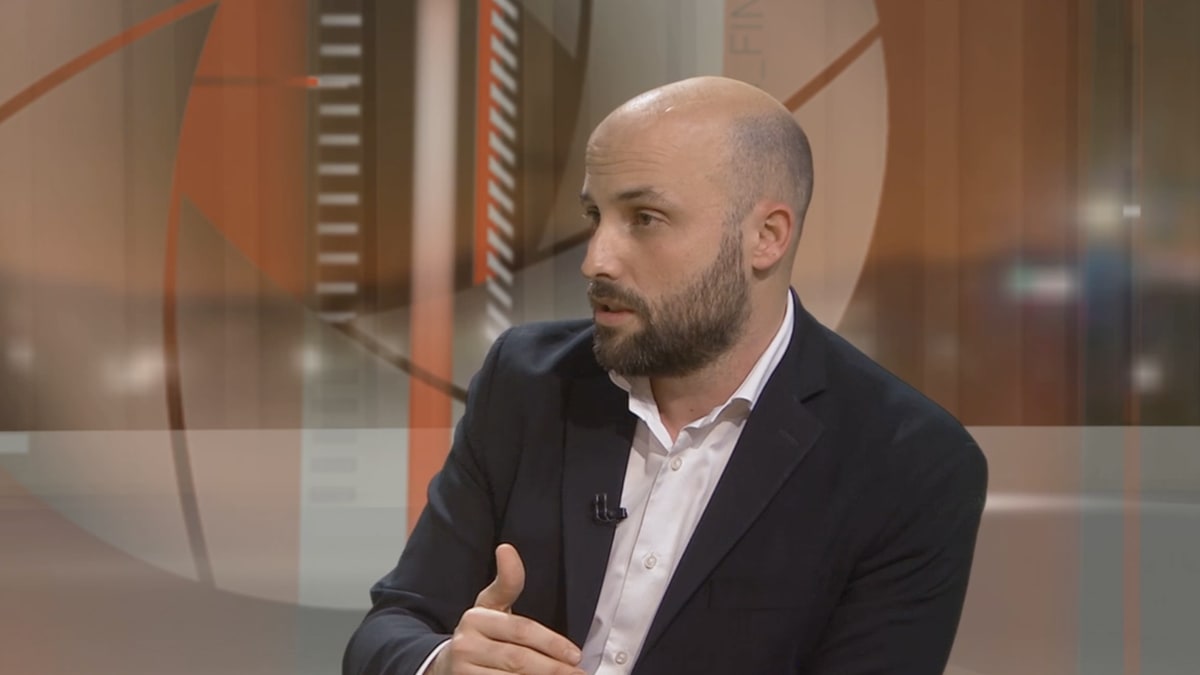

The former chief of staff of Pedro Sánchez argues that the Catalan provinces could sway the balance of the general elections. He estimates that the PSC leads the PP in Barcelona by between 8 and 9 points.
Catalonia could once again be decisive in the general elections on November 29, according to information published by ABC, which includes the analysis of Iván Redondo, former chief of staff of Pedro Sánchez. For him, the results of the four Catalan provinces could determine who presides over the Government of Spain.
The consultant presented his argument in an appearance on TV3 and in an interview on Catalunya Ràdio. His starting point is the advantage that the PSC maintains over the PP in Catalonia, which according to his calculations reaches between 8 and 9 seats just in the province of Barcelona.
“Only in the province of Barcelona, the PSC has a lead of between 8 and 9 over the PP.”
Redondo estimates that the PSC could achieve between 12 and 13 deputies in Barcelona, compared to the four he attributes to the PP and the same number to Vox. ERC would remain, in his estimation, between five and six representatives. With this distribution, the socialists would offset much of the PP's advantage in other provinces.
The former advisor also points out the rise of Vox, which would already be the second state-wide force in Catalonia, ahead of the PP. He attributes part of this growth to the decision of Aliança Catalana not to run in the general elections, estimating that around 20% of their supporters could vote for Vox on 29N.
Redondo compares the scenario to the elections of 2008. Back then, José Luis Rodríguez Zapatero led Mariano Rajoy by 15 deputies across Spain, while the PSC gained 17 seats more than the PP just in Catalonia.
His numbers do not entirely match those of the latest barometer from the Centre d'Estudis d'Opinió (CEO), published on October 14. According to that study by the Generalitat, the PSC would be the leading force in Catalonia, with between 18 and 19 deputies, followed by ERC, with between 10 and 11. The PP would have between six and seven seats, and Vox between five and six.

Trending on the web

You may also like