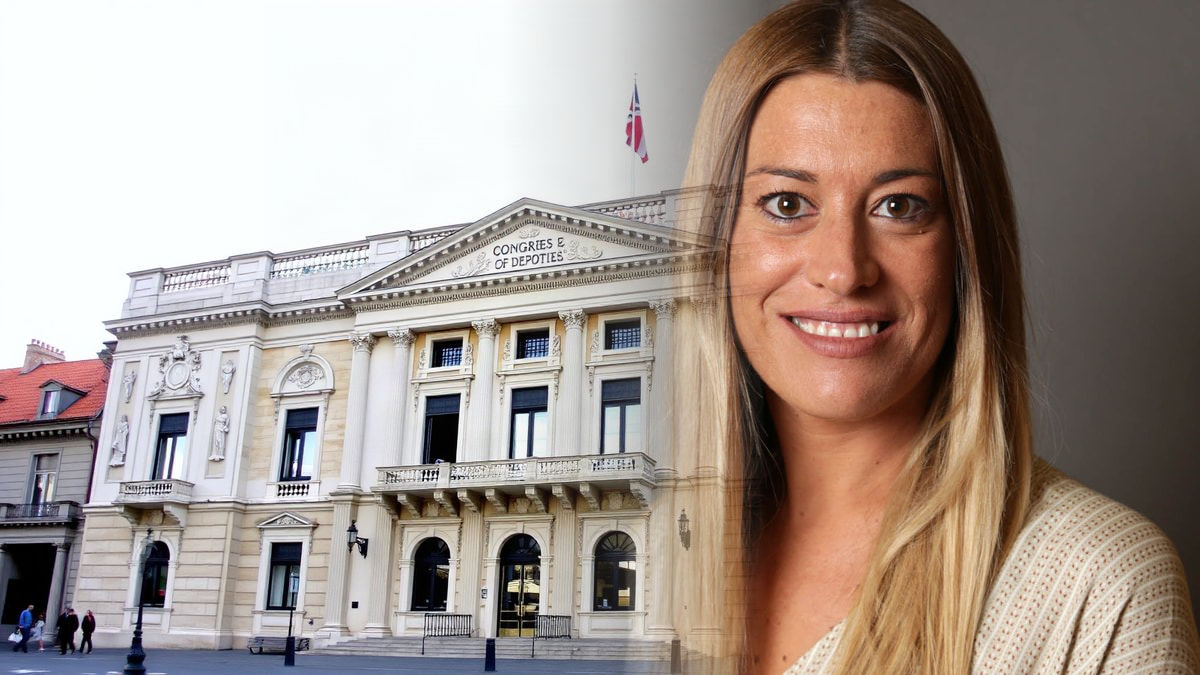
Junts conditions any agreement after the elections on November 29 on Catalonia collecting all its taxes. This was stated by Miriam Nogueras in Sant Cugat del Vallès.
Miriam Nogueras, Junts' candidate for Congress in the general elections, has made it a condition for negotiating with her party that Catalonia can collect all its taxes and decide on the use of the money after the elections on November 29. This was reported by Crónica Global, which covered the intervention of the lead candidate during the presentation of the party's candidates in the province of Barcelona, held in Sant Cugat del Vallès.
During the event, Nogueras raised a question about state investment per capita:
«How can it be that the Spanish Government is investing three times more per madrileño than per catalán?»
The candidate argued that Junts is the only party of strict Catalan obedience and described the current campaign as the most Spanishised she remembers. According to her, the party wants the money of the Catalans to stay in Catalonia and be decided here.
In a message shared on social media, the party summarised the idea in Catalan, which translated into Spanish means: «We want to collect and decide on our money. The Basques do it, and we should also be able to do it. This will be the condition we set for negotiation».
Nogueras added that in Madrid, they should not be able to decide anything about Catalonia without the Catalans, and maintained that ERC and PSC feel comfortable in a scenario where, according to her, others decide for them.
She also criticized Ada Colau and Pedro Sánchez for pointing fingers at the business community. The candidate rejected the notion that a farmer could be considered an environmental terrorist, that a self-employed person could be seen as an exploiter, or that someone with a rental property could be treated as a speculator.
Finally, Nogueras highlighted the work of the seven deputies from Junts in Congress and the four senators from the party, whom she positioned as the only Catalan representatives in both chambers who have returned home after three years of legislature with the work done.

Trending on the web

You may also like